16 طريقة للتخلص من البشرة الدهنية: دليل شامل
تعاني الكثير من الأشخاص من مشكلة البشرة الدهنية، والتي تتسبب في ظهور حبوب الشباب والرؤوس السوداء والتي تجعل البشرة تبدو غير صحية وغير جذابة. يمكن للعديد من العوامل أن تسبب زيادة إنتاج الزيوت في البشرة، مثل الهرمونات والتغذية السيئة والتوتر والتعرض للتلوث. لحسن الحظ، هناك العديد من الطرق الفعالة للتخلص من البشرة الدهنية وتحسين صحتها.
يعد التنظيف الدوري للوجه باستخدام منظف لطيف غير قاعدي ومتوازن الحموضة أمرًا حاسمًا للحفاظ على بشرة نظيفة وصحية. يمكن للأشخاص الاستفادة أيضًا من اختيار منتجات العناية بالبشرة المناسبة، والتي تحتوي على مكونات تساعد في تنظيف البشرة وتقليل إنتاج الزيوت. بالإضافة إلى ذلك، يمكن للأشخاص تناول نظام غذائي صحي وغني بالفواكه والخضروات والبروتينات النباتية والأسماك، والتي تحتوي على العديد من العناصر الغذائية الضرورية التي تساعد في تحسين صحة البشرة.
مع ذلك، هناك العديد من الطرق الأخرى للتخلص من البشرة الدهنية وتحسين صحتها، مثل استخدام الأقنعة الطبيعية وتجنب استخدام المنتجات الزيتية أو المنتجات الكحولية. سيتم استكشاف بعض هذه الطرق في الأسطر التالية.
تنظيف البشرة بانتظام
تعتبر الزيوت الزائدة والغدد الدهنية من العوامل الرئيسية التي تؤدي إلى البشرة الدهنية. لذلك، يجب على الأشخاص الذين يعانون من هذه المشكلة تنظيف بشرتهم بانتظام للحفاظ على صحة البشرة والحد من الزيوت الزائدة.
ينصح باستخدام منظفات الوجه التي تحتوي على حمض الساليسيليك أو بنزويل بيروكسيد. وتعمل هذه المنظفات على تنظيف المسام وإزالة الشوائب والزيوت الزائدة. يجب تجنب المنظفات التي تحتوي على الكحول أو المنظفات القاسية التي قد تتسبب في جفاف البشرة.
بالإضافة إلى ذلك، ينصح بتنظيف البشرة بانتظام مرتين يوميًا، صباحًا ومساءً. ويجب تجنب استخدام المنتجات الدهنية والزيوتية التي قد تزيد من إفراز الزيوت الزائدة على الوجه.
كما يجب أن يكون الحماية من الشمس جزءًا من روتين العناية بالبشرة اليومي. ويفضل استخدام كريم الواقي من الشمس الخفيف والخالي من الزيوت لتجنب إفراز الزيوت الزائدة.
يمكن أن يساعد التطهير العميق للبشرة في إزالة الشوائب والزيوت الزائدة. ويمكن استخدام الأقنعة الطبيعية مثل العسل والشاي الأخضر والأفوكادو لتنظيف البشرة وترطيبها.
بشكل عام، يجب تنظيف البشرة بانتظام والحرص على استخدام المنتجات المناسبة لنوع البشرة للحفاظ على صحة وجمال البشرة.
الحد من الكحول
يعد استهلاك الكحول من العادات الخاطئة التي قد تؤدي إلى زيادة إفراز الزهم في الجلد، وهو ما يتسبب في زيادة اللمعان والدهون في البشرة. لذلك ينصح بتقليل الكحول أو تجنبها تمامًا إذا كان الشخص يعاني من بشرة دهنية.
بالإضافة إلى ذلك، فإن استهلاك الكحول يزيد من درجة الحرارة في الجسم، مما يؤدي إلى توسع المسام وزيادة إنتاج الزهم. وبالتالي، قد يزيد من احتمالية ظهور حب الشباب والبثور على البشرة.
يمكن تقليل استهلاك الكحول عن طريق تناول الماء والمشروبات الغير كحولية، وتجنب تناول المشروبات الكحولية بشكل كبير. كما يمكن تناول الأطعمة الغنية بالفيتامينات والمعادن، والتي يمكن أن تساعد في تحسين صحة البشرة وتقليل إفراز الزهم.
بشكل عام، ينصح بتقليل استهلاك الكحول وتناول الأطعمة الصحية، والاهتمام بالنظافة الشخصية واستخدام المنتجات المناسبة للعناية بالبشرة، وذلك لتحسين صحة البشرة والحد من ظهور اللمعان والدهون فيها.
منتجات حمض الساليسيليك
يعتبر حمض الساليسيليك من المكونات الفعالة في علاج البشرة الدهنية والمعرضة لحب الشباب. يعمل حمض الساليسيليك على تنظيف المسام وتقليل إنتاج الزيوت الزائدة التي تسبب حب الشباب والتهاب الجلد. ولذلك، يتوفر العديد من المنتجات التي تحتوي على حمض الساليسيليك لمساعدة الأشخاص الذين يعانون من بشرة دهنية.
يمكن استخدام منتجات حمض الساليسيليك للتقشير الكيميائي للبشرة، حيث يعمل على إزالة الخلايا الميتة والزيوت الزائدة من البشرة. كما يمكن استخدامها كعلاج لحب الشباب والتهاب الجلد، حيث يقلل من الالتهاب ويمنع ظهور حب الشباب الجديد.
تحتوي العديد من منتجات حمض الساليسيليك على تركيزات مختلفة من الحمض، ويمكن اختيار المنتج المناسب حسب نوع البشرة ومدى شدة الحبوب. يجب عدم استخدام منتجات حمض الساليسيليك بشكل مفرط، حيث يمكن أن يؤدي إلى جفاف البشرة وتهيجها.
يمكن العثور على منتجات حمض الساليسيليك في صيدليات ومتاجر العناية بالبشرة، ويمكن استشارة الطبيب أو الصيدلي للحصول على المنتج المناسب.
أوراق الامتصاص أو الأقراص الطبية
تُستخدم أوراق الامتصاص أو الأقراص الطبية لامتصاص الزيوت الزائدة من الوجه والحفاظ على بشرة صحية ومشرقة. تُستخدم هذه الأوراق بعد تنظيف الوجه بالماء والصابون أو بعد استخدام منتجات التطهير. تعتبر هذه الأوراق خيارًا جيدًا لمن يعانون من الزيوت الزائدة في الوجه والتهاب الجلد.
تحتوي بعض الأوراق الطبية على مكونات مضادة للالتهابات، مثل حمض الساليسيليك، الذي يساعد في تقليل التهاب الجلد وتنظيم إفراز الزيوت. يمكن استخدام هذه الأوراق بشكل يومي، وتوضع على الوجه لمدة قصيرة، ثم يتم إزالتها بلطف.
يمكن العثور على أوراق الامتصاص أو الأقراص الطبية في العديد من المتاجر والصيدليات، وتأتي في عبوات صغيرة ومناسبة للحمل. يمكن استخدامها في أي وقت من اليوم، ولكن من الأفضل استخدامها في الصباح قبل وضع المكياج، وفي المساء بعد إزالة المكياج وتنظيف الوجه.
يجب تجنب استخدام الأوراق بشكل مفرط، حيث يمكن أن يؤدي ذلك إلى جفاف البشرة وتهيجها. يجب استخدامها بلطف وبشكل منتظم، وتجنب استخدامها على البشرة الحساسة أو المتهيجة.
بشكل عام، يمكن أن تكون أوراق الامتصاص أو الأقراص الطبية خيارًا جيدًا للأشخاص الذين يعانون من الزيوت الزائدة في الوجه والتهاب الجلد. يمكن استخدامها بشكل منتظم وبلطف للحفاظ على بشرة صحية ومشرقة.
الترطيب الدائم
تعاني البشرة الدهنية من مشكلة الترطيب الدائم، حيث تحتاج البشرة إلى الترطيب الجيد لتحافظ على نضارتها وصحتها. يعتبر الترطيب الطبيعي أحد أهم العوامل التي تساعد في الحفاظ على صحة البشرة الدهنية، حيث يساعد على تنظيم إفراز الزيوت الطبيعية في البشرة.
يمكن الحصول على الترطيب المناسب للبشرة الدهنية من خلال استخدام المنتجات المناسبة واتباع بعض النصائح البسيطة، مثل:
- استخدام مرطب خفيف وغير دهني يحتوي على مكونات طبيعية مثل الألوفيرا والخيار والشاي الأخضر.
- تجنب استخدام المنتجات التي تحتوي على الكحول أو المواد الكيميائية القاسية التي قد تتسبب في جفاف البشرة.
- شرب كمية كافية من الماء يوميًا للحفاظ على ترطيب الجسم والبشرة.
- تجنب تعرض البشرة للشمس المباشرة واستخدام واقي الشمس بشكل منتظم.
- تناول الأطعمة الغنية بالماء والفيتامينات والمعادن مثل الخضروات والفواكه والحبوب الكاملة.
بالتالي، يجب على الأفراد الذين يعانون من البشرة الدهنية الاهتمام بالترطيب الدائم للحفاظ على صحة بشرتهم وتجنب العوامل التي تؤدي إلى جفاف البشرة.
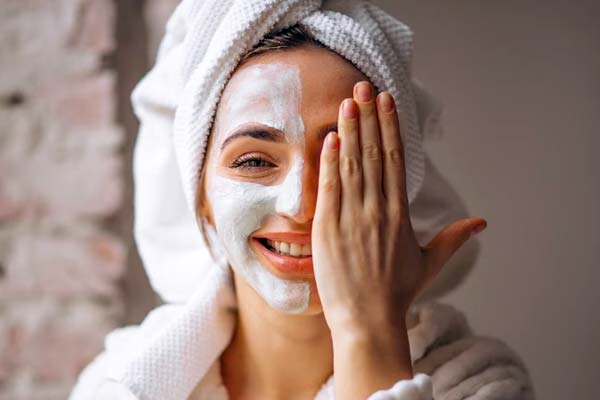
قناع الوجه
قناع الوجه هو واحد من العلاجات الطبيعية المنزلية التي يمكن استخدامها للتخلص من البشرة الدهنية. يمكن استخدام القناع لتحسين مظهر البشرة وتقليل الزيوت الزائدة والتهاب الجلد.
يمكن استخدام القناع لترطيب البشرة ومنحها النعومة والمرونة. يحتوي القناع على مكونات طبيعية مثل العسل والأفوكادو والزبادي والأوتاميل لترطيب البشرة وتغذيتها.
يمكن استخدام القناع لتطهير البشرة وإزالة الشوائب والأوساخ. يحتوي القناع على مكونات مثل الطين والفحم والزبادي والليمون لتنظيف البشرة وتحسين مظهرها.
يمكن استخدام القناع للتقشير وإزالة الخلايا الميتة من البشرة. يحتوي القناع على مكونات مثل الأفوكادو والعسل والأوتاميل لتقشير البشرة وتنظيفها.
يمكن استخدام القناع للحد من التهاب الجلد وتحسين صحة البشرة. يحتوي القناع على مكونات مثل الكركم والشاي الأخضر والعسل لتحسين صحة البشرة وتقليل التهابها.
يمكن استخدام القناع لزيادة مستويات الأكسدة في البشرة وتحسين صحتها. يحتوي القناع على مكونات مثل العنب والشاي الأخضر والكرز لزيادة مستويات الأكسدة في البشرة.
يمكن استخدام القناع مرة أو مرتين في الأسبوع للحصول على أفضل النتائج. يجب تجنب استخدام القناع على البشرة الحساسة أو المتهيجة.
منتجات الشاي الأخضر
يعتبر الشاي الأخضر من المنتجات الفعالة في الحفاظ على صحة البشرة، حيث يحتوي على مضادات الأكسدة التي تحمي البشرة من التلف الناتج عن الجذور الحرة. وتشير الدراسات إلى أن الشاي الأخضر يمكن أن يساعد في تخفيف التهاب الجلد وتحسين مرونة البشرة.
يمكن استخدام منتجات الشاي الأخضر لتطهير البشرة وتنظيفها بعمق، حيث يحتوي الشاي الأخضر على مركبات تساعد على إزالة الشوائب والدهون الزائدة من البشرة. ويمكن استخدام غسول الوجه المصنوع من الشاي الأخضر للحصول على بشرة نظيفة ومشرقة.
كما يمكن استخدام مستحضرات العناية بالبشرة التي تحتوي على مستخلصات الشاي الأخضر لتحسين صحة البشرة. وتشير الدراسات إلى أن استخدام كريم الوجه المصنوع من الشاي الأخضر يمكن أن يساعد في تقليل مظهر الخطوط الدقيقة والتجاعيد وتحسين مرونة البشرة.
وبالإضافة إلى ذلك، يمكن استخدام الشاي الأخضر كمكون في ماسكات الوجه المنزلية، حيث يمكن خلط مسحوق الشاي الأخضر مع بعض المكونات الأخرى مثل العسل واللبن للحصول على ماسك مغذي ومرطب للبشرة.
بشكل عام، يمكن استخدام منتجات الشاي الأخضر لتحسين صحة البشرة والحفاظ على نضارتها ومرونتها. وللحصول على أفضل النتائج، ينصح بالاستمرار في استخدام هذه المنتجات بشكل منتظم.
تغيير في النظام الغذائي
تعد الأطعمة التي تحتوي على الدهون الزائدة والسكريات العالية من العوامل التي تزيد من إفراز الزيوت في الجلد، مما يؤدي إلى زيادة اللمعان والتجاعيد والحبوب. لذلك، يمكن للأشخاص الذين يعانون من البشرة الدهنية تخفيف هذه المشكلة من خلال تغيير نظامهم الغذائي.
ينصح الخبراء بتناول الأطعمة الصحية والمتوازنة التي تحتوي على الفيتامينات والمعادن والألياف، وتجنب الأطعمة الدهنية والغنية بالسكريات. ومن بين الأطعمة التي يمكن تناولها للحفاظ على بشرة صحية وخالية من الزيوت:
- الخضروات الورقية الغنية بالفيتامينات والألياف، مثل السبانخ والكرنب والخس.
- الفواكه الطازجة الغنية بالفيتامينات والألياف، مثل البرتقال والتفاح والموز.
- الأطعمة الغنية بالبروتين، مثل اللحوم البيضاء والأسماك والبقوليات.
- الأطعمة الغنية بالأحماض الدهنية الأساسية، مثل السمك والمكسرات والبذور.
يمكن أيضًا تجنب بعض الأطعمة التي تزيد من إفراز الزيوت في الجلد، مثل:
- الأطعمة الدهنية والمقلية، مثل البطاطس المقلية والوجبات السريعة.
- الأطعمة الغنية بالسكريات، مثل الحلويات والمشروبات الغازية.
- الأطعمة الحارة والتوابل القوية، مثل الفلفل الحار والكركم والزنجبيل.
إجراء تغييرات في النظام الغذائي يمكن أن يساعد في تحسين صحة البشرة والحد من اللمعان والحبوب. ومن المهم الحرص على تناول الأطعمة الصحية والمتوازنة وتجنب الأطعمة الضارة بالجلد.
تقليل التوتر
يعاني الكثير من الأشخاص الذين يعانون من البشرة الدهنية من زيادة التوتر النفسي والعصبي، والذي يمكن أن يؤدي إلى زيادة إنتاج الزهم في الجلد. لذلك، من المهم العمل على تقليل مستويات التوتر لتحسين صحة البشرة.
هنا بعض الطرق التي يمكن اتباعها لتقليل التوتر:
- ممارسة التمارين الرياضية اليومية: يمكن أن تساعد التمارين الرياضية على تخفيف التوتر النفسي والعصبي، وبالتالي تقليل إنتاج الزهم في الجلد.
- الاسترخاء والتأمل: يمكن للأشخاص الذين يعانون من التوتر العصبي التحكم في مستويات التوتر عن طريق الاسترخاء والتأمل.
- تقليل تناول الكافيين: يمكن أن يؤدي تناول الكثير من الكافيين إلى زيادة مستويات التوتر النفسي والعصبي، وبالتالي زيادة إنتاج الزهم في الجلد.
- النوم الجيد: يمكن للنوم الجيد أن يساعد على تقليل التوتر وتحسين صحة البشرة.
بالإضافة إلى ذلك، يمكن للأشخاص الذين يعانون من التوتر النفسي والعصبي البحث عن الدعم النفسي من الأصدقاء والعائلة أو الاستشارة مع متخصص في الصحة النفسية.
إزالة المكياج قبل النوم
يعتبر إزالة المكياج قبل النوم من الأمور الهامة للحفاظ على بشرة صحية ونظيفة. حيث يمكن للمكياج أن يسد المسام ويسبب ظهور الرؤوس السوداء والبثور والتهيج. لذا يجب على الأشخاص الذين يعانون من بشرة دهنية إزالة المكياج بشكل دوري وفعال.
تنصح الخبراء بإزالة المكياج باستخدام منتجات التطهير التي تناسب نوع البشرة وتحتوي على مكونات طبيعية ولطيفة على البشرة. كما يمكن استخدام الزيوت الطبيعية مثل زيت اللوز أو زيت جوز الهند لإزالة المكياج بلطف وفعالية.
ويمكن استخدام القطن أو الأقراص المبللة بمنتج التطهير لإزالة المكياج من الوجه والعينين. ويجب تجنب استخدام المنتجات القوية أو المحتوية على الكحول لأنها يمكن أن تجفف البشرة وتزيد من إنتاج الزيوت الطبيعية.
بعد إزالة المكياج، يجب تطهير البشرة بشكل جيد باستخدام منتج التطهير المناسب. ويمكن استخدام المنتجات التي تحتوي على حمض الساليسيليك أو بنزويل بيروكسيد للتخلص من الشوائب والدهون الزائدة والحفاظ على بشرة صحية ونظيفة.
بالإضافة إلى ذلك، يجب ترطيب البشرة بشكل جيد بعد التطهير باستخدام مرطب مناسب لنوع البشرة. ويمكن استخدام مرطب خفيف يحتوي على مكونات طبيعية مثل الصبار أو الألوة فيرا لترطيب البشرة بشكل فعال ومنع ظهور الدهون الزائدة.
باختصار، إزالة المكياج قبل النوم والتطهير بشكل جيد يعدان من الأمور الأساسية للحفاظ على بشرة صحية ونظيفة. ويجب استخدام المنتجات المناسبة واللطيفة على البشرة لتفادي التهيج والجفاف وزيادة إنتاج الزيوت الطبيعية.
منظف الوجه سونيك
يُعد منظف الوجه السونيك أداة فعالة للتنظيف العميق والتطهير من الزيوت الزائدة والشوائب التي تسد المسامات. يعمل هذا الجهاز بتقنية الاهتزازات العالية التردد لإزالة الأوساخ والزيوت والجلد الميت من الوجه بشكل فعال. يمكن استخدام منظف الوجه السونيك على جميع أنواع البشرة، بما في ذلك البشرة الدهنية.
يعمل منظف الوجه السونيك على تحسين مظهر البشرة وترطيبها بشكل أفضل. فهو يعمل على تحسين تدفق الدم وتحفيز الخلايا الجديدة للنمو. يمكن استخدام منظف الوجه السونيك بشكل يومي للحصول على أفضل النتائج.
يجب استخدام منظف الوجه السونيك مع منتجات التنظيف والترطيب المناسبة للحفاظ على صحة البشرة وتجنب التهيج. يمكن استخدامه مع منتجات التنظيف التي تحتوي على حمض الساليسيليك أو بنزويل بيروكسيد للحصول على أفضل النتائج في التطهير والتنظيف العميق.
بالإضافة إلى ذلك، يجب تنظيف منظف الوجه السونيك بانتظام للحفاظ على نظافته وجودته. يمكن تنظيفه باستخدام الماء الدافئ والصابون اللطيف، ويجب تجفيفه جيدًا بعد الاستخدام.
بشكل عام، يمكن استخدام منظف الوجه السونيك كجزء من روتين العناية بالبشرة اليومي للتخلص من الزيوت الزائدة والشوائب وتحسين مظهر البشرة.
منتجات الريتينويدات
تُستخدم الريتينويدات على نطاق واسع في صناعة العناية بالبشرة، حيث تُعد من أكثر المكونات فعالية للتخلص من البشرة الدهنية. وتعمل هذه المكونات على تقليل إفراز الزهم وتنظيف المسام، كما تساعد في تقليل التجاعيد والخطوط الدقيقة وتحسين مظهر البشرة بشكل عام.
تحتوي منتجات الريتينويدات على فيتامين A المعروف بفوائده المضادة للأكسدة والتي تعمل على تحسين صحة الجلد والحفاظ عليه، كما تعمل على تقليل التهاب الجلد وتحسين مظهره.
يمكن استخدام منتجات الريتينويدات في الصباح والمساء، ويجب تجنب استخدامها بشكل مفرط، حيث يمكن أن تتسبب في جفاف البشرة وتهيجها. وتحتاج البشرة إلى بضعة أسابيع للتكيف مع هذه المنتجات، وينصح بالبدء بتركيزات منخفضة وزيادتها تدريجياً.
يمكن الحصول على منتجات الريتينويدات من الصيدليات ومتاجر العناية بالبشرة، ويجب اختيار المنتجات التي تحتوي على تراكيز مناسبة والتي تتناسب مع نوع البشرة. ويمكن استشارة الطبيب أو الصيدلي للحصول على المنتج الأفضل لنوع البشرة.
بشكل عام، يمكن القول إن منتجات الريتينويدات تعد من الخيارات الفعالة للتخلص من البشرة الدهنية وتحسين مظهر البشرة بشكل عام، ويمكن استخدامها بشكل آمن وفعال إذا تم اتباع التعليمات بشكل صحيح.
منتجات النياسيناميد
النياسيناميد هو نوع من فيتامين ب3 ويمكن استخدامه في المنتجات الخاصة بالعناية بالبشرة. يمكن أن يساعد النياسيناميد في تحسين صحة الجلد وتقليل الزيوت الزائدة.
يمكن استخدام المنتجات المحتوية على النياسيناميد لمساعدة الجلد على بناء حاجز الدهون والحفاظ على الترطيب. وهذا يمكن أن يكون مفيدًا لجميع أنواع البشرة ، خاصةً إذا كان لديك بشرة دهنية.
يمكن أن يكون النياسيناميد مفيدًا أيضًا للأشخاص الذين يعانون من التهاب الجلد أو التليف النسيجي. يمكن استخدام المنتجات المحتوية على النياسيناميد لتخفيف الأعراض المرتبطة بهذه الحالات.
يجب الانتباه إلى أن المنتجات المحتوية على النياسيناميد قد لا تكون مناسبة لجميع أنواع البشرة. يجب على الأشخاص الذين يعانون من حساسية أو تهيج الجلد تجنب استخدام هذه المنتجات.
يمكن العثور على المنتجات المحتوية على النياسيناميد في العديد من المتاجر الخاصة بالعناية بالبشرة. يمكن أن تشمل هذه المنتجات الكريمات واللوشنات والسيرومات والغسولات والماسكات.
منتجات ال كارنتين
منتجات ال كارنتين هي مجموعة منتجات تحتوي على مركب الأل كارنتين، وهو مركب طبيعي يوجد في الجسم ويعمل على تحويل الدهون إلى طاقة. وقد أظهرت الدراسات أن استخدام منتجات ال كارنتين يمكن أن يساعد في تقليل الدهون الزائدة في الجلد وتحسين صحته.
وتشير الأبحاث إلى أن الأل كارنتين قد يكون مفيدًا في علاج التهاب الجلد وتحسين صحة الجلد بشكل عام. ويمكن استخدام منتجات ال كارنتين كجزء من روتين التطهير اليومي للوجه.
يمكن العثور على منتجات ال كارنتين في صيدليات ومتاجر العناية بالبشرة. ويمكن استخدامها بشكل فعال مع غسول الوجه ومرطب خفيف. ويجب تجنب استخدام منتجات ال كارنتين على البشرة الحساسة أو المتهيجة.
ويجب الانتباه إلى أن منتجات ال كارنتين لا يمكن استخدامها كعلاج وحيد للبشرة الدهنية. وينبغي استخدامها كجزء من روتين العناية اليومي بالبشرة، بالإضافة إلى تغيير نمط الحياة والتغذية السليمة.
الأيزوتريتينوين
الأيزوتريتينوين هو دواء يستخدم لعلاج التهاب الجلد الشديد والمزمن والحب الشبابي. يعمل الدواء عن طريق تقليل إنتاج الزهم في الغدد الدهنية، مما يقلل من الدهون الزائدة على الجلد ويساعد على تقليل الالتهابات.
يجب استخدام الأيزوتريتينوين تحت إشراف طبيب مؤهل، حيث يمكن أن يسبب الدواء بعض الآثار الجانبية الخطيرة، بما في ذلك تشوهات خلقية في الجنين إذا تم تناوله خلال الحمل.
يجب تناول الأيزوتريتينوين مع الطعام لزيادة امتصاصه، ويجب تجنب تناول الفيتامينات المحتوية على فيتامين A أثناء استخدام الدواء. كما يجب تجنب الحصول على الأشعة فوق البنفسجية أثناء استخدام الأيزوتريتينوين.
يمكن استخدام الأيزوتريتينوين في الجرعات المناسبة لعلاج التهاب الجلد الشديد والحب الشبابي، ويجب استخدامه بالتزامن مع التطهير الجيد للبشرة وتجنب استخدام المنتجات الدهنية.
العلاج الهرموني
تعتبر الهرمونات من العوامل المؤثرة في إنتاج الزيوت الزائدة في الجلد، ولذلك فإن العلاج الهرموني يعتبر خياراً فعالاً للتحكم في البشرة الدهنية. يتم استخدام العلاج الهرموني في حالات البشرة الدهنية الشديدة والتي لا تستجيب للعلاجات الأخرى.
تتضمن العلاجات الهرمونية استخدام المستحضرات التي تحتوي على الهرمونات الأنثوية، مثل الاستروجين، والتي تساعد في تنظيم إنتاج الزيوت في الجلد. ومن بين الأدوية الهرمونية المستخدمة لعلاج البشرة الدهنية هي الأدوية المضادة للأندروجينات، والتي تعمل على تقليل إنتاج الهرمونات الذكرية التي تؤثر على الإفرازات الدهنية في الجلد.
يجب الانتباه إلى أن استخدام العلاج الهرموني يحتاج إلى إشراف طبيب مختص، حيث يتم تحديد الجرعة والفترة الزمنية المناسبة للعلاج، وذلك لتفادي أي آثار جانبية غير مرغوب فيها.
يجب الانتباه إلى أن العلاج الهرموني لا يعالج التهاب الجلد، ويمكن استخدامه بجانب العلاجات الأخرى الموصوفة من قبل الطبيب، والتي تشمل استخدام المستحضرات المحتوية على الساليسيليك أسيد وحمض الجليكوليك، والتي تعمل على تنظيف البشرة وتقليل إنتاج الزيوت الزائدة.