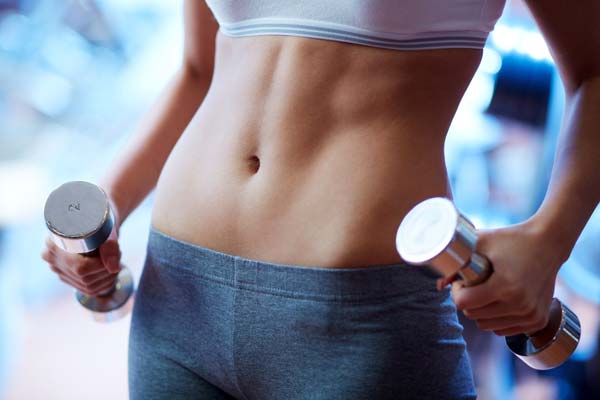
الطريق الأمثل لبطن مسطح ومشدود: 30 طريقة فعّالة لتحسين مظهر جسمك
يهدف الكثير من الأشخاص إلى الحصول على بطن مسطح ومشدود، ولكن الوصول إلى هذا الهدف يتطلب الكثير من الجهد والتحدي. تحتوي العديد من المواقع على قوائم تضم العديد من الطرق المختلفة للوصول إلى هذا الهدف، ولكن من الضروري اختيار الطريقة التي تناسب جسم الشخص وأسلوب حياته.
تشمل الطرق الأكثر شيوعًا للحصول على بطن مسطح العديد من التمارين والتغييرات في نمط الحياة. يجب على الشخص الذي يسعى للحصول على بطن مسطح أن يتبع نظامًا غذائيًا صحيًا ويمارس التمارين بانتظام. يمكن أيضًا تجنب المشروبات الغازية والحلويات وتحلية الشاي أو القهوة بالعسل بدلاً من السكر.
تمارين البطن
تُعدّ تمارين البطن من أهم التمارين التي يمكن للشخص القيام بها للحصول على بطن مسطح وجذاب. وتتضمن هذه التمارين العديد من الحركات التي تستهدف منطقة البطن وتساعد على تقوية عضلات الجسم وتحسين مرونتها.
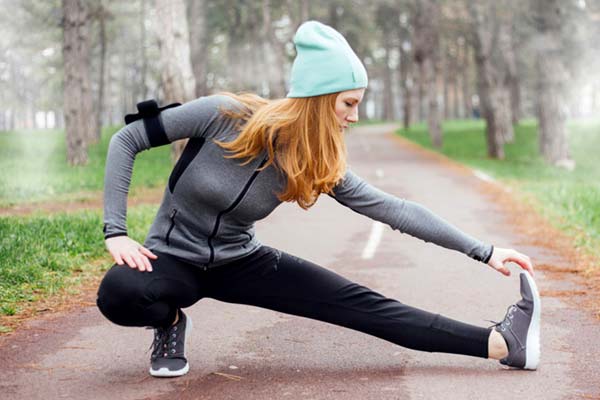
تمارين القرفصاء
تُعدّ تمارين القرفصاء من أفضل التمارين التي تساعد على تقوية عضلات البطن السفلية. ويمكن القيام بهذه التمارين بسهولة في المنزل دون الحاجة إلى أي معدات رياضية خاصة.
للقيام بتمارين القرفصاء، يجب القيام بالتالي:
- الوقوف بشكل مستقيم ورفع الذراعين للأعلى.
- الانحناء برفق إلى اليمين ومن ثم اليسار بحيث يتم تحريك الجسم ككل.
- تكرار الحركة لمدة 15-20 مرة.
تمارين الطائرة
تُعدّ تمارين الطائرة من التمارين الرائعة التي تساعد على تقوية عضلات البطن العلوية. وتتميز هذه التمارين بأنها تعمل على تحسين التوازن والتركيز أثناء القيام بها.
للقيام بتمارين الطائرة، يجب القيام بالتالي:
- الوقوف بشكل مستقيم ورفع الذراعين للأعلى.
- رفع الساقين بحيث يكون الجسم في وضع الطائرة.
- البقاء في هذا الوضع لمدة 10-15 ثانية.
- تكرار الحركة لمدة 10-15 مرة.
تمارين البطن العلوي
تُعدّ تمارين البطن العلوي من التمارين الرائعة التي تساعد على تقوية عضلات البطن العلوية. وتتميز هذه التمارين بأنها تعمل على تحسين مرونة الجسم وتحسين التوازن.
للقيام بتمارين البطن العلوي، يجب القيام بالتالي:
- الاستلقاء على الظهر ورفع الرأس والكتفين عن الأرض.
- رفع الجسم بحيث يتم الوصول إلى الركبتين.
- العودة إلى الوضع الأول ببطء.
- تكرار الحركة لمدة 15-20 مرة.
تمارين البطن السفلي
تُعدّ تمارين البطن السفلي من التمارين الرائعة التي تساعد على تقوية عضلات البطن السفلية. وتتم
التغذية
الأطعمة الصحية للحصول على بطن مسطح
للحصول على بطن مسطح، يجب تناول الأطعمة الصحية والغنية بالعناصر الغذائية المفيدة للجسم. ينصح بتناول الأطعمة الطبيعية والعضوية، مثل الفواكه والخضروات والحبوب الكاملة واللحوم الخالية من الدهون والأسماك والمكسرات والبذور.
الأطعمة المفيدة للشعور بالشبع
ينصح بتناول الأطعمة الغنية بالبروتين والألياف للشعور بالشبع لفترة أطول، مثل الخضروات الورقية والفواكه والمكسرات والحبوب الكاملة واللحوم الخالية من الدهون والأسماك.
الأطعمة التي تسبب انتفاخ البطن
ينصح بتجنب الأطعمة التي تسبب انتفاخ البطن، مثل الفواكه الحمضية والبقوليات والمشروبات الغازية والأطعمة الغنية بالدهون المشبعة والملح.
الأطعمة التي تساعد على حرق الدهون
ينصح بتناول الأطعمة الغنية بالبروتين والألياف والأحماض الدهنية الصحية للحصول على بطن مسطح وحرق الدهون، مثل الأسماك والمكسرات والحبوب الكاملة والخضروات الورقية.
الأطعمة التي تساعد على تحسين الهضم
ينصح بتناول الأطعمة الغنية بالألياف والبروبيوتيك لتحسين الهضم وتقليل الانتفاخ، مثل الخضروات والفواكه والحبوب الكاملة والزبادي الطبيعي.
الأطعمة التي تحتوي على الألياف والبروتين
ينصح بتناول الأطعمة الغنية بالألياف والبروتين للشعور بالشبع وحرق الدهون والحصول على بطن مسطح، مثل الحبوب الكاملة والخضروات والفواكه والمكسرات والأسماك واللحوم الخالية من الدهون والبذور.
ينصح بالتحدث مع خبير تغذية مسجل لتحديد الاحتياجات الغذائية الفردية وتصميم خطة غذائية صحية وفعالة.
النوم والإجهاد
تأثير النوم على الوزن والشكل الجسماني
يؤثر النوم بشكل كبير على الوزن والشكل الجسماني، حيث يعتبر نوم جيد أحد العوامل المهمة للحفاظ على صحة الجسم والحفاظ على وزن صحي. إذا لم يحصل الشخص على قدر كافٍ من النوم، فإن ذلك يؤدي إلى زيادة الشهية والرغبة في تناول الأطعمة العالية بالسعرات الحرارية والدهون، مما يؤدي في النهاية إلى زيادة الوزن وتراكم الدهون في منطقة البطن.
الإجهاد وتأثيره على الوزن والشكل الجسماني
يؤدي الإجهاد إلى إطلاق هرمون الكورتيزول الذي يؤثر على الجسم بشكل سلبي، حيث يزيد من الشهية ويؤدي إلى تراكم الدهون في منطقة البطن. لذا، ينصح بتجنب التعرض للإجهاد والبحث عن طرق لتخفيفه، مثل التمارين الرياضية والتأمل واليوغا.
فوائد التأمل واليوغا على صحة الجسم والعقل
تعد التمارين الرياضية مثل اليوغا والتأمل من الطرق الفعالة لتخفيف الإجهاد وتحسين الصحة العامة للجسم والعقل. فاليوغا تساعد على تقوية العضلات وتحسين المرونة وتخفيف التوتر العضلي، بينما يساعد التأمل على تحسين الانتباه والتركيز وتقليل التوتر والقلق. وبالتالي، تساعد هذه التمارين على تحسين الصحة العامة للجسم والعقل وتقليل الإجهاد والتوتر الذي يؤثر على الوزن والشكل الجسماني.
| التمرين | الفائدة |
|---|---|
| اليوغا | تحسين المرونة وتخفيف التوتر العضلي |
| التأمل | تحسين الانتباه والتركيز وتقليل التوتر والقلق |
التمارين الهوائية والمقاومة
فوائد التمارين الهوائية على الشكل الجسماني
التمارين الهوائية هي التي تحتاج إلى الكثير من الأكسجين لإنتاج الطاقة المطلوبة. تعتبر هذه التمارين فعالة في حرق السعرات الحرارية والدهون، وتحسين نظام الأيض وتحسين صحة القلب والأوعية الدموية. بالإضافة إلى ذلك، فإن التمارين الهوائية تعمل على تحسين الشكل الجسماني وتقليل نسبة الدهون في الجسم.
فوائد التمارين المقاومة على الشكل الجسماني
تعمل التمارين المقاومة على بناء العضلات وزيادة الكتلة العضلية، مما يؤدي إلى زيادة معدل الأيض الأساسي وحرق السعرات الحرارية بشكل أفضل. كما أن التمارين المقاومة تساعد على تحسين الشكل الجسماني وتقليل نسبة الدهون في الجسم.
أفضل التمارين الهوائية للحصول على بطن مسطح
هناك العديد من التمارين الهوائية التي يمكن ممارستها للحصول على بطن مسطح، ومن أهمها:
- الجري
- المشي السريع
- ركوب الدراجة
- السباحة
- تمارين القفز
أفضل التمارين المقاومة للحصول على بطن مسطح
تعتبر التمارين المقاومة مفيدة أيضًا للحصول على بطن مسطح، ومن أهمها:
- تمارين البطن المقاومة
- تمارين الضغط
- تمارين الظهر المقاومة
- الجلوس والوقوف بالأوزان الخفيفة
يجب تناول الطعام الصحي واتباع نمط حياة صحي لتحقيق نتائج أفضل. كما ينبغي الحرص على تناول كميات كافية من الماء لتحسين عملية الأيض وتحسين صحة الجسم بشكل عام.
الحصول على بطن مسطح بشكل صحي
للحصول على بطن مسطح بشكل صحي، يجب اتباع نظام غذائي صحي وممارسة التمارين الرياضية بانتظام. وفي هذا الجزء سوف نتحدث عن بعض الطرق الفعالة للحصول على بطن مسطح بشكل صحي.
التخلص من الدهون الزائدة في البطن
للحصول على بطن مسطح، يجب التخلص من الدهون الزائدة في البطن. ومن أفضل الطرق لذلك هو تناول الأطعمة الغنية بالألياف، مثل الخضروات والفواكه والحبوب الكاملة. كما يمكن الحصول على البروتينات من اللحوم الخالية من الدهون، والأسماك، والبيض، والمكسرات والبذور.
التخلص من السوائل الزائدة في الجسم
يمكن التخلص من السوائل الزائدة في الجسم بتناول الأطعمة الغنية بالبوتاسيوم، مثل الموز والأفوكادو والطماطم والبطاطس الحلوة واللفت. كما يمكن تناول الأطعمة الغنية بالماء، مثل الخيار والبطيخ والفراولة والبرتقال والجريب فروت.
التخلص من الانتفاخ في البطن
يمكن التخلص من الانتفاخ في البطن بتناول الأطعمة الغنية بالألياف، مثل الخضروات والفواكه والحبوب الكاملة. كما يمكن تجنب تناول الأطعمة الغنية بالدهون والسكريات والملح، وتناول الأطعمة الصحية بدلاً منها.
الحصول على عضلات البطن المسطحة بشكل صحي
يمكن الحصول على عضلات البطن المسطحة بشكل صحي عن طريق ممارسة التمارين الرياضية المناسبة، مثل تمارين البطن وتمارين القرفصاء وتمارين الضغط. كما يمكن تجنب الجلوس لفترات طويلة والحرص على الحركة اليومية وتحريك الجسم بشكل منتظم.
باختصار، يمكن الحصول على بطن مسطح بشكل صحي باتباع نظام غذائي صحي وممارسة التمارين الرياضية بانتظام، وتجنب تناول الأطعمة الغنية بالدهون والسكريات والملح، والحرص على الحركة اليومية وتحريك الجسم بشكل منتظم.