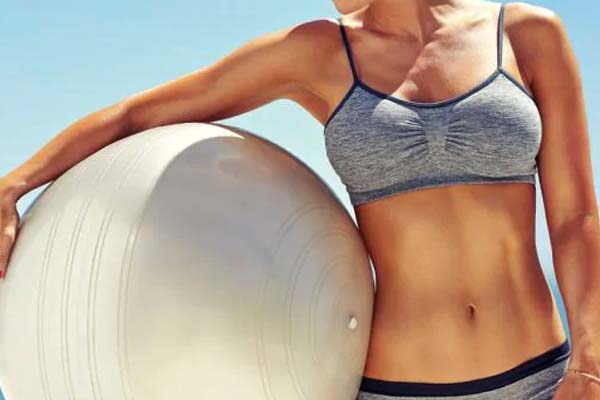
15 تمرينًا فعالًا لحرق الدهون في البطن، حسب مدربي اللياقة البدنية
تحتاج الكثير من الناس إلى خسارة الدهون في منطقة البطن، ويعتبر هذا التحدي أحد التحديات الرئيسية في عالم اللياقة البدنية. ولكن، هل تعلم أن هناك تمارين محددة يمكن أن تساعدك في حرق الدهون في منطقة البطن؟ في هذه المقالة، سنستعرض أفضل 15 تمرينًا لحرق الدهون في منطقة البطن، وفقًا لمدربي اللياقة البدنية الشخصية.
يشير معظم مدربي اللياقة البدنية إلى أن الجزء الأكبر من تمارين حرق الدهون في منطقة البطن يرتبط بالتمارين الكارديو، مثل الركض وركوب الدراجات والسباحة. ومع ذلك، هناك أيضًا تمارين القوة التي يمكن أن تساعد في تحقيق نتائج أفضل. وسوف نستعرض هذه التمارين في المقالة.
سواء كنت تريد تحسين صحة الجسم أو الحصول على جسم رياضي، فإن هذه التمارين يمكن أن تساعدك في تحقيق أهدافك. وبالإضافة إلى ذلك، فإن ممارسة التمارين الرياضية بشكل منتظم يمكن أن تحسن صحتك العامة وتقلل من خطر الإصابة بالأمراض المزمنة.
أفضل 15 تمرينًا لحرق دهون البطن حسب مدربي اللياقة البدنية
تعد الدهون في منطقة البطن من أصعب الدهون التي يصعب التخلص منها، حيث تتطلب جهدًا كبيرًا لإذابتها وحرقها. ولكن مع ممارسة التمارين الصحيحة، يمكن تحقيق نتائج رائعة في فترة قصيرة.
وفقًا لمدربي اللياقة البدنية، فإن هناك 15 تمرينًا مختلفًا يمكن ممارستها لحرق دهون البطن بشكل فعال، وهي كالتالي:
تمرينات القرفصاء
تُعد تمارين القرفصاء من أفضل التمارين لحرق الدهون في منطقة البطن والأرداف. وهي تمارين مهمة لتقوية العضلات في هذه المنطقة، وتحسين اللياقة البدنية بشكل عام.
تتضمن تمارين القرفصاء العديد من الفوائد، منها:
- حرق الدهون في منطقة الأرداف والبطن.
- تقوية العضلات في هذه المنطقة، مما يحسن من مظهر الجسم.
- تحسين اللياقة البدنية والقدرة على القيام بالأنشطة اليومية بشكل أفضل.
يمكن تنفيذ تمارين القرفصاء بعدة طرق، ومنها:
- القرفصاء العادي: حيث يقوم الشخص بالوقوف بشكل مستقيم، ثم ينحني برفق عند الركبتين حتى يصل إلى زاوية 90 درجة، ثم يعود إلى الوضع الأصلي.
- القرفصاء مع الجلوس: حيث يقوم الشخص بالجلوس على كرسي، ثم يقوم بالنهوض والجلوس مرة أخرى دون السماح للركبتين بالتماسك.
- القرفصاء مع الجري: حيث يقوم الشخص بالجري لمدة قصيرة، ثم ينحني للأسفل في وضع القرفصاء، ثم يعود إلى الجري.
يُنصح بتنفيذ تمارين القرفصاء بشكل منتظم، وبمراقبة الوزن والتغذية السليمة لتحقيق أفضل النتائج.
تمارين البطن
تعتبر تمارين البطن من أهم التمارين التي يمكن القيام بها لحرق الدهون في هذه المنطقة. ومن الجدير بالذكر أن هذه التمارين لا تعمل على تقليل الدهون في منطقة البطن فقط، بل تعمل على تقوية عضلات البطن وتحسين المرونة والتوازن.
ومن بين أفضل التمارين لحرق الدهون في منطقة البطن، يمكن ذكر التمارين التالية:
- البلانك: هذه التمرين يتطلب الاستلقاء على الأرض ووضع الجسم على شكل لوح، وذلك بتثبيت الأيدي والقدمين على الأرض ورفع الجسم بشكل مستقيم. يمكن تكرار هذا التمرين لمدة 30-45 ثانية.
- الجري: يعد الجري من أفضل التمارين لحرق الدهون في منطقة البطن والجسم بشكل عام. يمكن البدء بالجري لمدة 20-30 دقيقة يومياً.
- السكوات: يعد السكوات من التمارين الأساسية لتقوية عضلات الفخذين والبطن. يمكن تكرار هذا التمرين لمدة 12-15 مرة في كل مجموعة.
- الضغط: يتطلب هذا التمرين الاستلقاء على الأرض ورفع الجسم بشكل مستقيم باستخدام الأيدي والقدمين. يمكن تكرار هذا التمرين لمدة 12-15 مرة في كل مجموعة.
- الجلوس العكسي: يتطلب هذا التمرين الجلوس على الأرض ورفع الجسم بشكل مستقيم باستخدام الأيدي والقدمين. يمكن تكرار هذا التمرين لمدة 12-15 مرة في كل مجموعة.
يجب ممارسة هذه التمارين بانتظام ومع تناول النظام الغذائي المناسب والمتوازن، وبمرافقة مدرب رياضي مختص للحصول على أفضل النتائج.
تمارين القفز العالي
تُعد تمارين القفز العالي من بين أفضل التمارين التي تساعد على حرق الدهون في منطقة البطن. تعتبر هذه التمارين من التمارين الشديدة الشدة والتي تتطلب بعض اللياقة البدنية للقيام بها.
يمكن للشخص القيام بتمارين القفز العالي بعدة طرق، ومن بينها:
- القفز العالي بالحبل.
- القفز العالي بالمربعات.
- القفز العالي بالأرض.
يعمل تمرين القفز العالي على تحسين اللياقة البدنية وزيادة حرق السعرات الحرارية، كما يساعد على تقوية عضلات الساقين والبطن.
لا ينصح بالقيام بتمارين القفز العالي للأشخاص الذين يعانون من إصابات في الركب أو الظهر، كما يجب الحرص على تنفيذ التمرين بشكل صحيح وبإشراف مدرب رياضي مؤهل.
تمرينات الجري على السلم
تعتبر تمرينات الجري على السلم من أفضل التمارين لحرق دهون البطن. فهي تعمل على تحسين اللياقة البدنية وزيادة معدل الأيض، وهما عاملان مهمان في حرق الدهون. وبالإضافة إلى ذلك، فإن هذا التمرين يعمل على تقوية العضلات وتحسين القدرة على التحمل.
يمكن ممارسة تمرين الجري على السلم في الهواء الطلق أو في الصالة الرياضية. وتتطلب هذه التمارين استخدام السلم والجري عليه لمدة معينة، ثم الراحة لفترة زمنية قصيرة، ثم الجري مرة أخرى. ويمكن تكرار هذه العملية لمدة 15-20 دقيقة.
يمكن تنويع تمارين الجري على السلم عن طريق تغيير وتحديد عدد الدرجات ومعدل الجري. ويمكن استخدام الجري على السلم كجزء من برنامج تمارين أو كتمرين منفرد.
ومن المهم تذكير أن هذا التمرين يتطلب الحذر، خاصة إذا كانت لدى المرء مشاكل في الركبتين أو الظهر. ويجب الاحتفاظ بمستوى السلم والتأكد من أنه آمن ومستقر قبل البدء في التمارين.
باختصار، يعد تمرين الجري على السلم من أفضل التمارين لحرق دهون البطن وتحسين اللياقة البدنية. ويمكن تنويع هذا التمرين واستخدامه كجزء من برنامج تمارين أو كتمرين منفرد. ومن المهم الحذر والتأكد من أمان السلم قبل البدء في التمارين.
تمارين القفز بالحبل
تُعد تمارين القفز بالحبل من أكثر التمارين فعالية في حرق الدهون وخاصةً الدهون في منطقة البطن. وتستخدم هذه التمارين عادةً في برامج التدريب الرياضي للملاكمين واللاعبين المحترفين.
تتضمن تمارين القفز بالحبل العديد من الفوائد الصحية، بما في ذلك تحسين التحمل البدني وتقوية العضلات وتحسين اللياقة البدنية. كما أن هذه التمارين تساعد على تحسين التوازن والتنسيق والتركيز.
يمكن تنفيذ تمارين القفز بالحبل بسهولة في المنزل أو في الصالة الرياضية، وتشمل بعض الأمثلة على هذه التمارين:
- القفز بالحبل لمدة 30 ثانية مع فترات راحة قصيرة بين كل جولة.
- القفز بالحبل بطريقة الجري في مكان لمدة 30 ثانية مع فترات راحة قصيرة بين كل جولة.
- القفز بالحبل بطريقة الجري في مكان مع تحريك الأرجل إلى الأمام والخلف لمدة 30 ثانية مع فترات راحة قصيرة بين كل جولة.
يجب تنفيذ تمارين القفز بالحبل بحذر وتدريجياً، وتجنب القفز بشكل مفرط أو بسرعة عالية، وذلك لتجنب الإصابة بالإجهاد الزائد أو الإصابة بالعضلات.
تمارين الركض
يُعتبر الركض من التمارين الهامة في حرق الدهون، وخاصةً الدهون الموجودة في منطقة البطن. ويمكن للشخص الذي يريد حرق الدهون في منطقة البطن البدء بالركض بشكل بسيط وتدريجي، وزيادة مدة الركض والسرعة تدريجيًا.
يمكن للشخص الذي يريد حرق الدهون في منطقة البطن البدء بالركض لمدة 20-30 دقيقة في اليوم، ويمكن زيادة هذه المدة تدريجيًا حتى يصل إلى ساعة كاملة في اليوم. ويفضل الركض في الهواء الطلق، ولكن في حالة عدم توفر وقت أو إمكانية الخروج إلى الهواء الطلق، يمكن استخدام جهاز الجري المنزلي.
يمكن تحسين فعالية التمرين عن طريق تغيير مسار الركض وزيادة السرعة والانحدار، وكذلك إضافة التمارين الأخرى مثل القفز والجري بسرعة عالية لمدة قصيرة ثم الركض بسرعة بطيئة لمدة طويلة.
يجب على الشخص الذي يريد حرق الدهون في منطقة البطن الانتباه إلى أن الركض وحده لا يكفي لتحقيق هذا الهدف، وأنه يجب ممارسة التمارين الأخرى الموجهة لهذه المنطقة مثل التمارين الخاصة بالبطن.
تمارين القرفصاء الجانبية
تعتبر تمارين القرفصاء الجانبية من بين أفضل التمارين لحرق الدهون في منطقة البطن، وتستهدف هذه التمارين عضلات الخصر والبطن. ومن بين أفضل تمارين القرفصاء الجانبية:
- القرفصاء الجانبية بالكرة الطبية: يتم تنفيذ هذه التمرين بوضع الكرة الطبية بين الجدار وظهر الشخص، ثم يتم الانحناء جانبًا والعودة إلى وضع الوقوف الأصلي. يتم تكرار الحركة على الجانب الآخر.
- القرفصاء الجانبية بالأوزان الحرة: يتم تنفيذ هذه التمرين بوضع الوزن على الكتف والانحناء جانبًا والعودة إلى وضع الوقوف الأصلي. يتم تكرار الحركة على الجانب الآخر.
- القرفصاء الجانبية بالحبل: يتم تنفيذ هذه التمرين بوضع الحبل على الكتف والانحناء جانبًا والعودة إلى وضع الوقوف الأصلي. يتم تكرار الحركة على الجانب الآخر.
يجب تنفيذ هذه التمارين بشكل صحيح ومنتظم للحصول على أفضل النتائج. كما يجب الانتباه إلى تناول الطعام الصحي وممارسة التمارين الأخرى لتحقيق النتائج المرجوة.
تمارين الضغط بالكرة الطبية
تُعد تمارين الضغط بالكرة الطبية من أفضل التمارين لحرق الدهون في منطقة البطن، فهي تعمل على تقوية عضلات البطن والحفاظ على التوازن والاستقرار أثناء القيام بها. وتتمثل هذه التمارين بالقيام بحركات الضغط باستخدام كرة طبية.
من بين هذه التمارين، تمرين “الضغط بالكرة الطبية” يعد من أفضلها. ويتمثل هذا التمرين في القيام بالتالي:
- الاستلقاء على الظهر مع ركبتيك مرفوعتين وقدميك على الأرض.
- الإمساك بالكرة الطبية ورفعها فوق الصدر.
- القيام بحركة الضغط باستخدام الكرة الطبية، عن طريق رفع الرأس والكتفين من الأرض ودفع الكرة الطبية نحو السقف.
- العودة ببطء إلى الوضع الأول.
يمكن تكرار هذا التمرين لمدة 3 مجموعات من 10 إلى 15 تكرارًا لكل مجموعة.
يعتبر تمرين الضغط بالكرة الطبية من التمارين الفعالة لحرق الدهون في منطقة البطن، ويمكن إضافته إلى برنامج التمارين اليومي للحصول على بطن مشدود ومتناسق.
تمارين السباحة
تعتبر السباحة من التمارين الرائعة لحرق الدهون في منطقة البطن، حيث تعمل على تحسين قدرة الجسم على حرق السعرات الحرارية. وتساعد السباحة أيضاً على تقوية عضلات الجسم بشكل عام، بما في ذلك عضلات البطن.
وفقاً لدراسة نُشرت في مجلة العلاج الطبيعي والرياضي، فإن السباحة يمكن أن تساعد على تقليل نسبة الدهون في الجسم بشكل كبير، خاصةً عند ممارستها بانتظام.
ويمكن تنويع التمارين السباحة لتحريك عضلات البطن بشكل أكبر، عن طريق إجراء التمارين التالية:
- السباحة الفراشة: يتطلب هذا التمرين حركة الذراعين والساقين بشكل متزامن، ويعمل على تقوية عضلات البطن والأفخاذ.
- السباحة الظهر: يعمل هذا التمرين على تحريك عضلات البطن والظهر بشكل متزامن، ويمكن تنويعه بإجراء حركات دوارة لتحريك البطن بشكل أكبر.
- السباحة الحرة: يعمل هذا التمرين على تحريك جميع عضلات الجسم، بما في ذلك عضلات البطن، ويمكن تنويعه بإجراء حركات السباحة الفراشة أو الظهر.
ومن المهم الحرص على ممارسة التمارين السباحة بانتظام وتحت إشراف مدرب مؤهل، وتجنب ممارسة التمارين بشكل مفرط أو غير صحيح.
تمرينات الدراجة الهوائية
تعتبر الدراجة الهوائية من أفضل التمارين لحرق الدهون في منطقة البطن، وذلك لأنها تساعد على زيادة معدل الأيض وتحسين صحة القلب والأوعية الدموية. وتوفر الدراجة الهوائية أيضًا تمرينًا للجسم بالكامل، بما في ذلك العضلات المسؤولة عن البطن.
يمكن للشخص الذي يمارس الدراجة الهوائية أن يختار بين العديد من الأنواع المختلفة من التمارين، بما في ذلك:
- ركوب الدراجة الهوائية في الهواء الطلق
- ركوب الدراجة الهوائية في الصالة الرياضية
- التدريب على الدراجة الهوائية بواسطة الفيديو المنزلي
ويمكن للشخص الذي يريد تحقيق أفضل النتائج في حرق الدهون أن يستخدم تمارين الدراجة الهوائية الحميمة، والتي تشمل:
- تمرين الانحناءات الجانبية: يتم تنفيذ هذا التمرين عن طريق رفع الركبتين إلى الصدر وتحريك الكوعين إلى الجانبين.
- تمرين الركض السريع: يتم تنفيذ هذا التمرين عن طريق زيادة سرعة الدراجة الهوائية لمدة 20 ثانية ثم العودة إلى السرعة العادية لمدة 40 ثانية.
- تمرين القفز: يتم تنفيذ هذا التمرين عن طريق القفز فوق الدراجة الهوائية والعودة إلى الوضع الأصلي.
يجب على الشخص الذي يريد تحقيق أفضل النتائج في حرق الدهون أن يتدرب على الدراجة الهوائية لمدة 30-60 دقيقة يوميًا، وأن يتبع نظامًا غذائيًا صحيًا ومتوازنًا.
تمارين الضغط على الأرض
تُعد تمارين الضغط على الأرض من أكثر التمارين شيوعًا لتقوية عضلات البطن والأساسية. وتشمل هذه التمارين العديد من الإصدارات المختلفة، والتي يمكن تنفيذها بدون أي معدات خاصة.
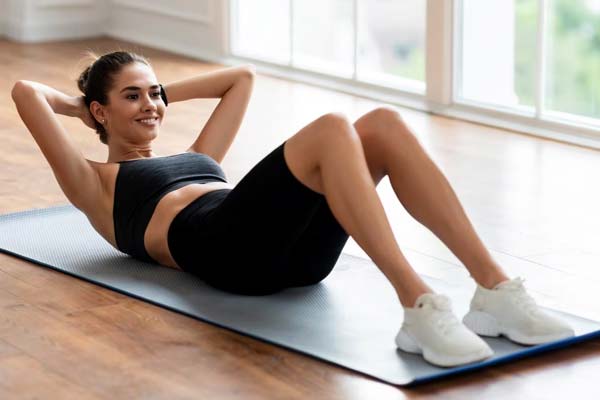
يُعد الضغط العادي على الأرض هو أحد التمارين الأساسية لتقوية عضلات البطن. يتم تنفيذ هذا التمرين عن طريق الاستلقاء على الأرض على الظهر، ثم رفع الرأس والكتفين عن الأرض وثني الركبتين بحيث يكون القدمين على الأرض. يتم ثم رفع الجسم باتجاه الركبتين، ثم العودة إلى الوضع الأولي.
تُعد تمارين الضغط على الأرض المتدرجة، مثل الضغط الجانبي والضغط العكسي والضغط العكسي مع الدوران، أكثر تحديًا وفعالية لتقوية عضلات البطن. ويمكن تنفيذ هذه التمارين عن طريق إضافة حركات مختلفة إلى الضغط العادي، مثل الدوران والانحناء والتمدد.
تعتبر تمارين الضغط على الأرض من التمارين الأساسية والمهمة لتقوية عضلات البطن والأساسية بشكل عام. ويمكن تنفيذ هذه التمارين في أي مكان وفي أي وقت، مما يجعلها مناسبة للأشخاص الذين يرغبون في تحسين لياقتهم البدنية وتقوية عضلاتهم دون الحاجة إلى معدات خاصة.
تمارين الرفع بالأرجل
تُعدّ تمارين الرفع بالأرجل من التمارين الفعالة في حرق الدهون وتقوية عضلات البطن والأرداف. وفيما يلي بعض التمارين الموصى بها من قبل المدربين الشخصيين لحرق الدهون في منطقة البطن:
- الرفع العكسي للأرجل: يتمّ في هذه التمرين عن طريق الاستلقاء على الظهر ورفع الأرجل مع الحفاظ على زاوية 90 درجة بين الفخذين والأرجل. يتمّ الرفع ببطء حتى يتم الوصول إلى زاوية 45 درجة، ثم يتم إعادة الأرجل إلى الوضع الأصلي. يمكن تكرار هذه التمرين 10-15 مرة.
- الرفع الجانبي للأرجل: يتمّ في هذه التمرين عن طريق الاستلقاء على الجانب ورفع الساق العليا بزاوية 45 درجة. يتمّ الرفع ببطء حتى يتم الوصول إلى زاوية 90 درجة، ثم يتم إعادة الساق إلى الوضع الأصلي. يمكن تكرار هذه التمرين 10-15 مرة لكل جانب.
- الرفع الجانبي للأرجل مع الكرة اللياقة البدنية: يتمّ في هذه التمرين عن طريق الاستلقاء على الجانب ووضع الكرة اللياقة البدنية بين القدمين. يتمّ رفع الساق العليا مع الحفاظ على التوازن بين الجسم والكرة، ثم يتم إعادة الساق إلى الوضع الأصلي. يمكن تكرار هذه التمرين 10-15 مرة لكل جانب.
تتطلب هذه التمارين الاستمرارية والتدريب المنتظم لتحقيق النتائج المرجوة. يُنصح بممارسة التمارين بانتظام وبمساعدة مدرب شخصي لتحقيق أفضل النتائج.
تمارين الجري على الشاطئ
تُعَدُّ تمارين الجري على الشاطئ من أفضل التمارين لحرق دهون البطن، حيث تعد مجموعة متنوعة من التمارين الرياضية التي يمكن ممارستها على الرمال الناعمة على الشاطئ.
تتميز هذه التمارين بالعديد من الفوائد الصحية والجمالية، حيث تساعد على تقوية عضلات الجسم وزيادة معدل الأيض وتحسين اللياقة البدنية بشكل عام.
من بين التمارين الرياضية المفيدة لحرق دهون البطن على الشاطئ، يمكن الإشارة إلى التمارين التالية:
- الجري على الرمال الناعمة
- الجري في الماء
- التمارين الرياضية على الشاطئ مثل السكوات والانحناءات والتمارين القفزية
ويمكن الحصول على نتائج أفضل من خلال ممارسة هذه التمارين بانتظام، وبمعدلات شدة مختلفة، وتناول الغذاء الصحي المتوازن، والحرص على النوم الكافي، والابتعاد عن التدخين وتناول الكحول.
تمارين الرقص
تعد تمارين الرقص من الأنشطة الرائعة لحرق الدهون في منطقة البطن، إذ تساعد على تحسين اللياقة البدنية وزيادة الحركة والتوازن. وتتضمن هذه التمارين العديد من الأنماط المختلفة، مثل الرقص الشرقي، السالسا، الهيب هوب، وغيرها.
يمكن للرقص أن يكون تمرينًا ممتعًا ومنعشًا، بالإضافة إلى أنه يحرق السعرات الحرارية بشكل فعال. ويمكن للأشخاص من جميع الأعمار والمستويات اللياقية الاستفادة من تمارين الرقص لحرق الدهون في منطقة البطن.
ومن بين التمارين الراقصة المفيدة لحرق الدهون في منطقة البطن، يمكن الإشارة إلى التالي:
- الرقص الشرقي: يعد الرقص الشرقي تمرينًا رائعًا لتقوية عضلات البطن وحرق الدهون في هذه المنطقة. ويتضمن هذا النوع من الرقص حركات متعددة للوراء والأمام والجانبين، مما يساعد على تحريك عضلات البطن بشكل فعال.
- السالسا: يعد السالسا تمرينًا رائعًا لحرق الدهون في منطقة البطن، حيث يتطلب هذا الرقص حركات سريعة ومتنوعة للقدمين والأيدي، مما يعمل على تحريك عضلات البطن بشكل كبير.
- الهيب هوب: يمكن للهيب هوب أن يكون تمرينًا رائعًا لحرق الدهون في منطقة البطن، حيث يتطلب هذا الرقص حركات سريعة للوراء والأمام والجانبين، مما يعمل على تحريك عضلات البطن بشكل كبير.
ويمكن للأشخاص الذين يرغبون في استخدام تمارين الرقص لحرق الدهون في منطقة البطن أن يتبعوا بعض النصائح الهامة، مثل اختيار الأنماط المناسبة لمستواهم اللياقي والتدرب على هذه التمارين بانتظام ومنتظمة.
تمارين السير على السير الكهربائي
تُعدُّ تمارين السير على السير الكهربائي من أفضل التمارين الهوائية التي تساعد على حرق الدهون في منطقة البطن. وتحتاج هذه التمارين إلى سير كهربائي، الذي يساعد على تحسين اللياقة البدنية والحفاظ على صحة القلب والأوعية الدموية.
تعتبر التمارين الهوائية على السير الكهربائي أسلوبًا ممتازًا لتخفيف الدهون في منطقة البطن، حيث تساعد على حرق السعرات الحرارية وتعزيز عملية الأيض. ويمكن تحقيق أقصى استفادة من هذه التمارين عندما يتم تنفيذها بشكل صحيح ومنتظم.
وفيما يلي بعض نصائح التمارين على السير الكهربائي لحرق الدهون في منطقة البطن:
- يجب البدء بمستوى منخفض من السرعة والميل لتجنب الإصابة بالإجهاد.
- يجب زيادة السرعة والميل ببطء خلال فترة التمرين.
- يجب الحفاظ على وضعية الجسم الصحيحة، وذلك بالتأكد من أن الظهر مستقيم والكتفين مسترخيين.
- يجب تكرار التمرين لمدة 20-30 دقيقة يوميًا، وذلك للحصول على أفضل النتائج.
بالإضافة إلى ذلك، يمكن تحقيق أقصى استفادة من تمارين السير على السير الكهربائي عندما يتم تناول وجبة صحية ومتوازنة قبل التمرين، وذلك لتزويد الجسم بالطاقة اللازمة للتمرين.
توصيات إضافية
تجدر الإشارة إلى أن الرياضة والتمارين الرياضية ليست كل شيء في عملية حرق الدهون في منطقة البطن، بل يجب أن يرافقها نظام غذائي صحي ومتوازن يحتوي على العناصر الغذائية اللازمة للجسم. وفيما يلي بعض التوصيات الإضافية لتحقيق أفضل النتائج:
تحديد الهدف وإعداد خطة التمرين
يعد تحديد الهدف وإعداد خطة التمرين هو المفتاح الأساسي للحصول على نتائج فعالة ومستدامة عند محاولة حرق الدهون في منطقة البطن. يجب على المرء أولاً تحديد الهدف الذي يريد تحقيقه ومن ثم تحديد خطة التمرين المناسبة لتحقيق هذا الهدف.
يجب على المرء أن يتخذ خطوات واضحة ومحددة لتحقيق هدفه. يمكن أن تشمل هذه الخطوات تحديد الكمية المحددة من الدهون التي يريد المرء حرقها في منطقة البطن والوقت الذي يريد فيه تحقيق هذا الهدف.
بعد تحديد الهدف، يجب على المرء إعداد خطة تمرينية مناسبة لتحقيق هذا الهدف. يمكن أن تشمل هذه الخطة تمارين القلب والأوزان وتمارين اللياقة البدنية العامة. يجب على المرء أن يحرص على تدريب جميع عضلات الجسم وليس فقط منطقة البطن.
يجب أن يتم تصميم خطة التمرين الخاصة بالمرء بشكل فردي وفقًا لمستوى لياقته البدنية وأهدافه. يجب أن يكون هناك توازن بين التمارين القلبية وتمارين الأوزان وتمارين اللياقة البدنية العامة للحصول على أفضل النتائج.
بالإضافة إلى ذلك، يجب على المرء أن يحرص على تغيير خطة التمرين بشكل مستمر لتحقيق أفضل النتائج. يمكن أن تشمل هذه التغييرات تغيير نوع التمارين وزيادة أو تقليل الوزن المستخدم في التمارين.
اتباع نظام غذائي صحي
يعتبر اتباع نظام غذائي صحي أمرًا مهمًا للحفاظ على صحة الجسم والتخلص من الدهون الزائدة في منطقة البطن. ومن الجيد معرفة الأطعمة التي يجب تناولها وتجنبها للحصول على أفضل النتائج.
ينصح الخبراء بتناول الأطعمة الغنية بالألياف مثل الخضروات والفواكه والحبوب الكاملة، كما يجب تجنب الأطعمة الغنية بالدهون المشبعة والمعالجة مثل الوجبات السريعة والحلويات.
بالإضافة إلى ذلك، ينصح بتناول البروتينات الصحية مثل اللحوم البيضاء والأسماك والبقوليات، وتجنب الدهون الحيوانية الزائدة. كما يجب تناول الأطعمة بشكل متوازن وتجنب تناول الكميات الكبيرة في وجبة واحدة.
يمكن أيضًا تناول بعض المكملات الغذائية المفيدة للحصول على أفضل النتائج، مثل زيت السمك والكركم والشاي الأخضر.
بالإضافة إلى النظام الغذائي، ينصح بممارسة الرياضة بانتظام لتحريك الجسم وحرق الدهون. ويمكن الجمع بين التمارين القلبية مثل المشي والجري والسباحة مع التمارين القوية مثل رفع الأثقال وتمارين البطن للحصول على أفضل النتائج.
الحصول على قسط كافٍ من النوم
تعد النوم الجيد جزءًا مهمًا من أي روتين صحي، ولكن الحصول على الكمية الكافية من النوم يمكن أن يكون صعبًا بالنسبة للكثيرين. ومن هنا، تأتي أهمية ممارسة الرياضة في تحسين جودة النوم.
وتشير الدراسات إلى أن ممارسة الرياضة بانتظام يمكن أن تحسن النوم وتساعد على الاسترخاء والاستيقاظ بشكل أفضل في الصباح. وبالإضافة إلى ذلك، فإن ممارسة الرياضة يمكن أن تساعد في تقليل مستويات الإجهاد والقلق، مما يمنحك نومًا أفضل.
ومن الجدير بالذكر أن الرياضة الهوائية تعد الخيار الأفضل لتحسين جودة النوم، فهي تساعد على تحسين وظائف الجهاز التنفسي والقلب والأوعية الدموية، مما يؤدي إلى تحسين جودة النوم.
ويمكن أن تشمل التمارين الهوائية المفضلة لتحسين جودة النوم ما يلي:
- المشي السريع
- الركض
- ركوب الدراجة
- السباحة
وبشكل عام، فإن الهدف هو ممارسة الرياضة بشكل منتظم والحصول على قسط كافٍ من النوم، وهذا سيساعد على تحسين جودة حياتك بشكل عام.
الحد من التوتر والقلق
يعد التوتر والقلق من الأسباب الرئيسية لزيادة الوزن وتراكم الدهون في منطقة البطن، لذا ينصح المدربون الشخصيون بتقليل مستويات التوتر والقلق للحد من تراكم الدهون في منطقة البطن.
يمكن الحد من التوتر والقلق من خلال ممارسة التمارين الرياضية الخاصة بالاسترخاء مثل اليوجا والتأمل، والتي تساعد على تحسين الصحة العقلية والنفسية، وبالتالي تحسين الصحة البدنية.
تشير الدراسات إلى أن اليوجا والتأمل يمكن أن تساعد في تقليل مستويات الكورتيزول، وهو هرمون الإجهاد المسؤول عن زيادة الوزن وتراكم الدهون في منطقة البطن.
بالإضافة إلى ذلك، يمكن الحد من التوتر والقلق من خلال تبني أسلوب حياة صحي، والتي تشمل النوم الكافي، وتناول الأطعمة الصحية، وتجنب المشروبات الكحولية والمنبهات، والتي يمكن أن تزيد من مستويات التوتر والقلق.
ممارسة اليوجا والتأمل
تشير الأبحاث إلى أن ممارسة اليوجا والتأمل يمكن أن تساعد في تخفيف الإجهاد وتحسين المزاج، وهذا قد يساعد في إدارة الأكل العاطفي والحفاظ على الوزن المثالي. بالإضافة إلى ذلك، تساعد ممارسة اليوجا في بناء العضلات وتحسين ليونة الجسم.
من بين التمارين المفيدة في اليوجا لحرق دهون البطن هي تمارين القوة والتمدد مثل “التحية الشمسية” و “التمرين الشمعداني” و “التمرين الزاوي”. يمكن لهذه التمارين أن تحسن تدفق الدم وتعزز حرق الدهون في منطقة البطن.
بالإضافة إلى ذلك، يمكن للتأمل أن يساعد في تحسين الوعي الذاتي وتقليل الإجهاد النفسي، مما يؤدي إلى تقليل الإفراط في تناول الطعام وتحسين الوضع العام للجسم. يمكن للأشخاص الذين يعانون من آلام المفاصل الانتفاخ والتورم الاستفادة من اليوجا والتأمل لتخفيف الألم وتحسين الحركة.
لا يمكن لممارسة اليوجا والتأمل أن تحرق الدهون في منطقة البطن بمفردها، ولكن يمكن استخدامها كجزء من نظام غذائي وتمارين رياضية شاملة لتحقيق النتائج المرجوة.