Terfeziaceae Benefits: The Superfood Hiding in the Desert!
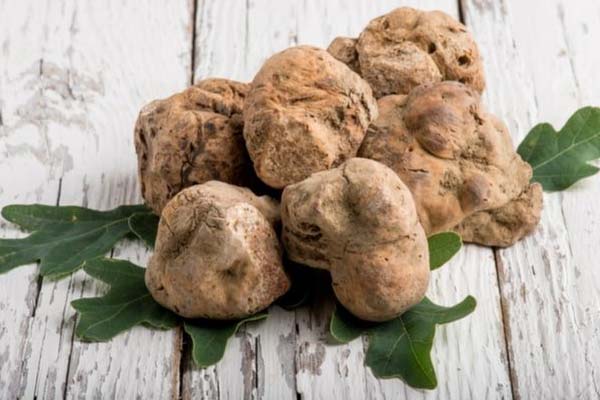
Terfeziaceae, including genera such as Terfezia and Tirmania, produce edible hypogeous fungi known as desert truffles. Traditionally harvested by desert dwellers, these truffles have long been used to treat eye ailments and other conditions while also being prized in gourmet kitchens.
Today, modern research confirms that these fungi offer exceptional nutritional, medicinal, and ecological benefits. This article outlines the latest findings and practical applications, helping you understand why desert truffles deserve attention from chefs, health enthusiasts, and sustainable agriculture advocates alike.
Biological Characteristics and Taxonomy
Classification and Morphology
Desert truffles belong to the Terfeziaceae family within the order Pezizales. The most common genera include:
- Terfezia (e.g., Terfezia boudieri, Terfezia claveryi)
- Tirmania
These truffles typically have a spherical to top-shaped appearance, with thick, rough outer skins and firm, solid interiors. They form mycorrhizal associations with host plants—most notably, species of Helianthemum and Cistus.
This symbiotic relationship not only aids the fungus in obtaining nutrients from the soil but also helps the host plant access water and minerals in arid environments.
Adaptations to Arid Climates
Adapted to thrive in dry, nutrient-poor soils, desert truffles have evolved specialized mechanisms to survive extreme conditions. Their underground fruit bodies help them avoid harsh surface temperatures and desiccation.
Moreover, by forming mycorrhizae, they contribute to soil health and play an integral role in desert ecosystem dynamics.
Nutritional and Culinary Benefits
Rich Nutritional Composition
Desert truffles are celebrated for their impressive nutritional profile. Despite their small serving sizes, they pack a potent nutritional punch. Here’s a quick summary:
| Nutrient | Approximate Value (per 0.5 g serving) |
|---|---|
| Calories | 10 |
| Protein | 2 g |
| Dietary Fiber | 2 g |
| Vitamins | A, B, C, D, K |
| Minerals | Phosphorus, Copper, Manganese, Selenium, Zinc |
These truffles are a great source of protein, dietary fiber, essential vitamins, and minerals. Their high amino acid content and rich profile of unsaturated fatty acids make them an ideal supplement for a balanced diet.
Culinary Applications
Desert truffles offer a unique flavor profile—earthy, aromatic, and slightly nutty—which makes them a prized ingredient in high-end cuisine. They can be:
- Grated over dishes: A small amount can transform pasta, eggs, or risotto.
- Infused in oils or butters: This method preserves their flavor for longer periods.
- Used in sauces and soups: Their distinctive aroma elevates simple recipes into gourmet experiences.
Their affordability relative to European truffles (which can cost over $1,000 per kilogram) makes them accessible to a broader range of consumers and chefs looking to incorporate exotic ingredients into their dishes.
Medicinal and Health Benefits
Anticancer and Immunomodulatory Properties
Recent research highlights the potential of Terfeziaceae extracts in cancer treatment and immune modulation. Studies have shown that extracts from Terfezia boudieri and Terfezia claveryi exhibit significant anticancer activity. For example:
- Cancer Cell Inhibition: Extracts have been tested against breast, colon, and cervical cancer cell lines, demonstrating dose-dependent inhibition of cell growth.
- Immune Response: Certain solvent extracts (n-hexane, ethyl acetate, and aqueous/methanol) were found to stimulate lymphocyte proliferation and modulate cytokine levels. Increased levels of Th1 cytokines (IFN-γ and IL-2) and decreased Th2 cytokine (IL-4) levels point to an enhanced anticancer immune response.
Antimicrobial and Antioxidant Effects
Terfeziaceae extracts also possess robust antimicrobial properties. They have been shown to inhibit the growth of various pathogenic bacteria—including Pseudomonas aeruginosa and Staphylococcus aureus—which are known to cause eye infections and other ailments.
Additionally, their antioxidant capacity helps neutralize free radicals, reducing oxidative stress and contributing to overall health.
Traditional Medicinal Uses
In traditional medicine, desert truffles have been used to:
- Treat eye ailments such as trachoma.
- Alleviate inflammatory conditions.
- Serve as natural antibiotics. These traditional applications have now been supported by modern studies, confirming that the bioactive compounds in these truffles have genuine therapeutic effects.
Economic and Agricultural Benefits
Cultivation Potential
Efforts to domesticate desert truffles have shown promising results in countries like Spain and Israel. Cultivation practices involve:
- Optimized Mycorrhizal Inoculation: Host plants inoculated with truffle spores.
- Controlled Irrigation: Managing water supply in arid environments to boost yields.
- Soil Management: Using sandy to silty soils with high pH values to mimic natural conditions.
Although wild harvesting remains common, improved cultivation techniques can transform desert truffles into a niche crop that supports local economies in arid regions.
Economic Impact
For local communities, the cultivation and sale of desert truffles can provide a significant economic boost. As a niche product, they offer:
- High Market Value: While European truffles are expensive, desert truffles are relatively affordable yet profitable.
- Sustainable Income: Cultivating desert truffles on marginal lands offers a sustainable livelihood for farmers in arid regions.
- Export Potential: Increasing global interest in exotic and functional foods creates new export opportunities.
Ecological and Environmental Benefits
Role in Desert Ecosystems
Desert truffles contribute to the ecological balance of arid regions. Their mycorrhizal associations:
- Improve Soil Health: They help break down organic matter and recycle nutrients.
- Enhance Water Uptake: By improving the host plants’ ability to absorb water, they support vegetation growth in dry climates.
- Increase Biodiversity: Their presence encourages a diverse microbial community, which is essential for resilient ecosystems.
Sustainable Land Management
Integrating desert truffle cultivation into land management practices can help combat desertification and promote sustainable agriculture. By utilizing marginal lands, these practices:
- Conserve Water Resources: Optimized irrigation reduces water waste.
- Reduce Soil Erosion: The symbiotic relationship between truffles and plants helps stabilize soil.
- Promote Biodiversity: Sustainable cultivation practices enhance ecosystem diversity, benefiting the broader environment.
Future Perspectives and Research Directions
While current studies affirm the benefits of Terfeziaceae, further research is needed to:
- Isolate Active Compounds: Advanced techniques like GC-MS and LC-MS can help identify and quantify bioactive molecules.
- Improve Cultivation Methods: Continued innovation in mycorrhization and soil management will increase yields.
- Expand Clinical Trials: More in vivo and clinical studies are required to validate anticancer, immunomodulatory, and antimicrobial properties.
The intersection of biotechnology and traditional knowledge offers exciting avenues for developing natural therapies and sustainable crops based on desert truffles.
FAQs
Q: What are desert truffles?
A: Desert truffles are edible fungi from the Terfeziaceae family, known for growing underground in arid regions and forming symbiotic relationships with plants.
Q: Where do they grow naturally?
A: They are primarily found in the Mediterranean basin, North Africa, and the Middle East, thriving in dry, sandy, and high-pH soils.
Q: What makes desert truffles nutritionally beneficial?
A: They are rich in proteins, carbohydrates, dietary fiber, vitamins, and essential minerals, making them a nutritious addition to any diet.
Q: How are they used in cooking?
A: Desert truffles are used to add flavor to pasta, eggs, sauces, and can be infused in oils or butter, enhancing both taste and aroma.
Q: What medicinal benefits do they offer?
A: Research suggests that they have anticancer, immunomodulatory, antimicrobial, and antioxidant properties, supporting overall health and potentially aiding in disease prevention.
Q: Can desert truffles be cultivated?
A: Yes, efforts in countries like Spain and Israel have led to successful cultivation using optimized mycorrhizal techniques, controlled irrigation, and proper soil management.
Q: How do desert truffles benefit the environment?
A: They improve soil health, enhance water uptake for plants, and promote biodiversity through their mycorrhizal associations, making them valuable for sustainable agriculture in arid regions.
Q: Are there any risks associated with consuming desert truffles?
A: Allergies to truffles are rare, and when sourced from trusted suppliers, they are considered safe for consumption. However, proper handling and storage are essential as they spoil quickly.
Conclusion
Terfeziaceae, the family of desert truffles, offers remarkable benefits that span nutrition, medicine, ecology, and economics.
From their rich nutritional profile and unique culinary appeal to their potent anticancer and antimicrobial properties, desert truffles exemplify the potential of natural products.
Their role in sustainable agriculture and ecosystem management further highlights their importance in arid regions. As research advances and cultivation techniques improve, these humble fungi may soon become key players in natural health solutions and sustainable economic development.
By integrating traditional knowledge with modern scientific research, we can unlock the full potential of desert truffles, ensuring that they continue to benefit our diets, health, and the environment for generations to come.