Brewers Yeast for Butt Enlargement: Can it Actually Help?
Ever stumbled upon some wild tip claiming that brewer’s yeast can, of all things, help you grow a perkier behind? Yeah, I’ve seen that floating around online too. Let’s chat about whether there’s any truth to it, my personal take, and what really moves the needle when it comes to butt enlargement.
Spoiler: brewer’s yeast might play a supporting role in your overall nutrition, but it won’t act like a magic pill for glute gains. Still interested? Keep reading—this friendly deep-dive spills the tea (or yeast?) with some humor, real talk, and actionable tips. 🙂
What is brewer’s yeast, anyway?
Ever wondered why people rave about brewer’s yeast like it’s the next fitness hack? Here’s the lowdown:
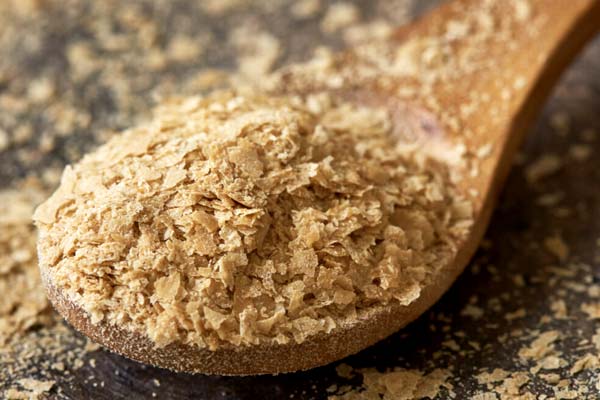
- Definition: Brewer’s yeast is a byproduct of beer production (hence the name). It’s basically the leftover yeast that ferments sugars to alcohol in brewing.
- Forms: You can find it as a powder, flakes, or capsules. Some folks even add flakes to smoothies or sprinkle them on popcorn (because why not?).
- Nutritional profile: It’s known for being rich in protein, B vitamins (especially B1, B2, B3, B6, B9), and minerals like chromium. FYI, most of these nutrients tie into energy metabolism and general health.
So yeah, it packs some decent nutrients. But does that translate into a bigger butt? Let’s break it down.
Nutritional profile relevant to muscle (and glute) growth
Before you start picturing brewer’s yeast sculpting your glutes, let’s see what it actually offers:
- High-quality protein
- Brewer’s yeast contains all nine essential amino acids, making it a complete protein source.
- Protein fuels muscle repair and growth when combined with resistance training.
- However, compare it to lean meats or whey: you’d need to consume a fair amount to meet protein needs solely via brewer’s yeast.
- B vitamins for energy
- B vitamins (thiamine, riboflavin, niacin, etc.) assist in converting food to energy.
- Having steady energy can help you power through tough glute workouts.
- But: getting B vitamins from a balanced diet (whole grains, meats, legumes) usually suffices for most people.
- Minerals and micronutrients
- Brewer’s yeast might supply chromium, selenium, and other trace minerals.
- Chromium can influence blood sugar regulation, potentially helping with stable energy levels.
- Still, you’ll likely get these from a varied diet without relying solely on yeast.
- Fiber and digestive support (to some extent)
- Some forms include cell wall components that act like fiber or prebiotic.
- A healthy gut can support nutrient absorption, indirectly aiding recovery.
- But again, you can get fiber from fruits, veggies, and whole grains more palatably.
Bottom line: brewer’s yeast offers nutrients that support overall health and muscle-building capacity. It doesn’t specifically target butt growth, but adequate protein and energy metabolism matter when you aim to build muscle anywhere—including the glutes.
Can brewer’s yeast help with butt enlargement?
Protein content and muscle synthesis
Ever thought, “If brewer’s yeast has protein, maybe it’ll pump up my glutes?” Here’s the reality:
- Quantity matters: To grow muscle, you need a calorie surplus + sufficient protein (generally ~1.6–2.2 g/kg body weight).
- Brewer’s yeast portioning: A tablespoon (~10g) might yield around 4–5g of protein. To hit daily targets, you’d have to take multiple tablespoons—possibly feeling like you’re eating dessert toppings constantly.
- Practicality: I tried adding brewer’s yeast to my post-workout shake once; I’d need two huge scoops to make a dent in protein needs. IMO, it feels more practical to use lean meats, dairy, legumes, or protein powder if you aim for big protein intake.
B vitamins and energy metabolism
“Maybe the B vitamins will boost my workout performance?” Sure, B vitamins help convert carbs and fats to energy, so you might feel peppier. But:
- If your diet already covers B vitamins, that extra brewer’s yeast is just a mild bonus.
- If you’re low on B2 or B3, supplementing helps—but many multivitamins or a balanced diet cover that too.
- I once felt a slight energy boost when I was nutrient-deficient, but when I fixed my overall diet, the effect went away.
Digestive health and absorption
“Could brewer’s yeast improve nutrient absorption so my glutes grow faster?”
- There’s talk about yeast cell walls acting prebiotically, supporting gut bacteria.
- A healthier gut can modestly enhance digestion, but swapping in fiber-rich foods (veggies, whole grains) yields bigger benefits without odd tastes.
- If you love smoothies with brewer’s yeast flakes, go for it; otherwise, keep priorities on broader gut health strategies.
Anecdotes vs. evidence
You’ll find blog posts claiming dramatic butt enlargement from brewer’s yeast. But:
- I haven’t seen strong scientific studies linking brewer’s yeast directly to glute hypertrophy.
- Anecdotes often mix brewer’s yeast with resistance training and other diet tweaks. So it’s like saying your lucky socks made you bench press more; correlation, not causation.
- If someone tells you brewer’s yeast alone made their butt bigger, ask: did they also start squatting thrice a week?
Key takeaway: Brewer’s yeast might play a supporting role as part of a nutrient-rich diet, but it won’t single-handedly grow your butt. Treat it like a sidekick, not the superhero.
How to incorporate brewer’s yeast into your diet (if you want to try)
If you decide to experiment (hey, curiosity is fun!), here’s how:
Dosage suggestions
- Typical serving: Many brands suggest 1–2 tablespoons (around 10–20g) daily.
- Start small: I’d begin with 1 teaspoon to test tolerance—some people experience bloating or gas initially.
- Consistency: If you tolerate it, you can slowly increase, but avoid mega-doses. Excess might upset your stomach or interact with medications.
Ways to consume
- Smoothies: Toss a scoop into your smoothie—bananas, berries, protein powder, and a teaspoon of brewer’s yeast. You barely notice it.
- Sprinkle on food: Try it on popcorn, pasta, or soups. It has a nutty, cheesy vibe, so it can enhance flavors.
- Capsules/tablets: If you dislike the taste, go capsule route—though you lose the fun “sprinkle” routine.
- Baking: Some bakers use nutritional or brewer’s yeast for flavor in crackers or bread. I once attempted “yeast-crusted” chicken—turned out meh, but you do you.
Potential side effects
- Digestive discomfort: Gas, bloating, or upset stomach if you overdo it.
- Migraine risk: People sensitive to tyramine or certain compounds might trigger headaches.
- Allergies: Rare but possible—stop if you notice rash, itching, or breathing issues.
- Medication interactions: If you take monoamine oxidase inhibitors (MAOIs) or similar, chat with a doctor before adding yeast supplements.
Always check with a healthcare professional if you have health conditions or take medications. I’m not a doc, but I play one in this chat. 😉
Complementary strategies for butt enlargement
Let’s be real: if you want a bigger, firmer butt, focus on proven tactics first. Brewer’s yeast is optional window dressing. Here’s the real roadmap:
Effective glute exercises
- Squats: Variations like back squats, goblet squats, sumo squats.
- Deadlifts: Romanian deadlifts and conventional deadlifts target hamstrings and glutes.
- Hip thrusts: A go-to for isolating glutes. Load up a barbell or use bands for progressive overload.
- Lunges and step-ups: These unilateral moves fix imbalances and stimulate muscle growth.
- Glute bridges: Bodyweight or weighted—great for activation and volume.
Pro tip: Focus on progressive overload—add weight or reps over time. Track your lifts like a nerdy spreadsheet if you love data; I do sometimes just to see progress.
Nutrition beyond brewer’s yeast
- Protein focus: Aim for ~1.6–2.2 g/kg body weight. Choose sources like chicken, fish, tofu, legumes, dairy, or protein powders.
- Caloric surplus (if bulking): You need extra calories to build muscle. Eat balanced meals: carbs for energy, fats for hormones, protein for muscle.
- Micronutrients: Ensure you get vitamins and minerals via varied diet—leafy greens, fruits, nuts. Brewer’s yeast can supplement B vitamins, but don’t rely solely on it.
- Hydration: Drink enough water. Dehydration can hamper performance and recovery.
Recovery and rest
- Sleep: Aim for 7–9 hours nightly. Muscles grow when you rest, not when you lift.
- Rest days: Schedule recovery; overtraining stalls progress.
- Stretching/mobility: Keep hips, hamstrings, and lower back mobile to support heavy lifts. Foam rolling can ease soreness.
Other supplements (with caution)
- Creatine: Well-researched, may boost strength and muscle gains if you respond to it.
- Protein powder: Convenient for meeting protein goals.
- Collagen: Mixed evidence for muscle growth; more for joint health.
- Pre-workouts: Some people use caffeine-based supplements to feel energized, but consider tolerance and sleep quality.
- Brewer’s yeast: If you enjoy it and tolerate it, add it for micronutrients—but keep expectations realistic.
Common myths and misconceptions
Got questions? Let’s tackle a few myths about brewer’s yeast and butt enlargement:
- Myth: Brewer’s yeast directly enlarges your butt
- Reality: No direct mechanism. It supplies nutrients that support muscle growth broadly but doesn’t magically deposit fat or muscle in your glutes.
- Myth: More brewer’s yeast = faster gains
- Reality: Excess won’t speed up muscle growth; muscle growth depends on training stimulus + overall nutrition + recovery.
- Myth: Everyone tolerates brewer’s yeast equally
- Reality: Digestive side effects vary. Start low, assess tolerance. If you hate the taste or feel bloated, ditch it.
- Myth: You can skip exercise if you take brewer’s yeast
- Reality: That’d be nice, but no. Without resistance training, you won’t stimulate glute hypertrophy.
When to consult a professional
Look, I love DIY health hacks, but sometimes you need a pro’s insight:
- Medical conditions: If you have metabolic issues, digestive disorders, or allergies, talk to a healthcare provider before adding new supplements.
- Dietary restrictions: Vegans, pregnant folks, or those on specific meds should get personalized advice.
- Training guidance: A certified trainer can help tailor glute workouts, ensure proper form, and avoid injuries.
- Nutrition planning: A registered dietitian can design a meal plan that hits your macro and micronutrient needs (including B vitamins, protein, etc.), possibly rendering brewer’s yeast optional.
Personal anecdote (because you asked for personal touch!)
I once went on a “yeast kick” after reading some random forum: “Take brewer’s yeast daily for energy and muscle gains!” I sprinkled it on my oatmeal for a week. Honestly, I felt a slight energy bump, but I also ate better overall that week (no coincidence).
I didn’t see any butt transformations from yeast alone. What changed my glute game was finally committing to hip thrusts thrice a week and tracking protein intake consistently. After a few months, I noticed firmer, fuller glutes. Brewer’s yeast stayed in my pantry more for novelty than necessity.
Rhetorical questions to keep you thinking
- Ever wondered why some people swear by odd supplements while ignoring basics like training?
- Curious whether that extra scoop of yeast really beats a balanced meal?
- Think a tiny scoop of powder can outshine disciplined workouts? Spoiler: it can’t.
- Want to experiment anyway because life’s too short to be boring? Go ahead, but don’t ditch your squats.
Pros and cons of using brewer’s yeast for butt goals
Pros:
- Rich in protein and B vitamins, supporting overall muscle-building potential.
- Easy to add to foods if you like the taste.
- May offer mild digestive/prebiotic benefits.
- Generally affordable and widely available.
Cons:
- No direct evidence for butt enlargement.
- Requires fairly large amounts to impact protein targets.
- Potential digestive side effects for sensitive folks.
- Can distract from focusing on proven strategies (exercise, balanced diet).
Practical tips if you decide to use it
- Start small: 1 teaspoon daily, see how you feel.
- Mix creatively: Add to smoothies, soups, or roasted veggies.
- Monitor effects: Jot down any digestive changes or energy differences.
- Combine with real training: Keep a consistent glute workout plan.
- Review overall diet: Use brewer’s yeast as a supplement, not a crutch.
Remember: context matters. If you love the taste and it nudges you to consume more nutrient-rich meals, cool. If you dislike it, skip it and focus on whole foods.
Conclusion
Alright, friend, here’s the bottom line: brewer’s yeast for butt enlargement sounds intriguing, but it won’t turn you into a glute superstar by itself. It can supply protein, B vitamins, and some micronutrients that support muscle health, but you need solid resistance training, sufficient calories, quality protein sources, and proper rest to see real glute gains. Think of brewer’s yeast as a possible sidekick in your nutrition squad—not the lead hero.
So, will adding brewer’s yeast to your diet magically lift your butt? Nope. Will it ever-so-slightly contribute to your overall nutrient intake if you enjoy it? Maybe. Ultimately, your glute transformation hinges on consistent workouts, balanced diet, and healthy lifestyle habits.
Feeling pumped to focus on hip thrusts instead of hunting for miracle powders? That’s the spirit. If you’re curious, give brewer’s yeast a shot in a smoothie, but don’t expect blockbuster results from that alone. Keep squatting, keep eating enough protein, and get good sleep—those moves truly shape your curves.
Ready to squat your way to the dream booty? Grab that barbell, fuel up properly (yeast optional), and let’s get to work! 😉 Go get those glute gains the real way.