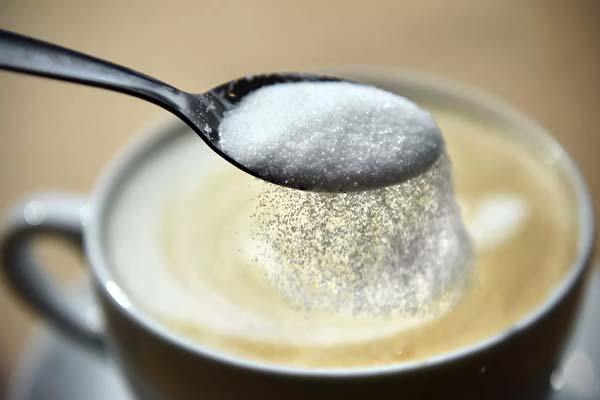
سكرالوز: كل ما تحتاج لمعرفته عن محلي السكر هذا
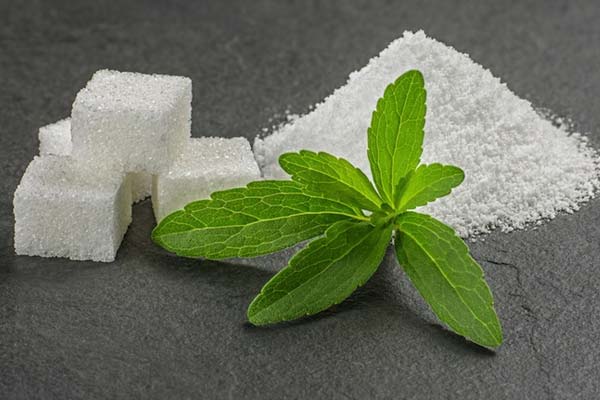
تعتبر السكرالوز مادة محلية صناعية غير غذائية تستخدم كبديل للسكر، حيث تتميز بحلاوتها العالية وعدم احتوائها على سعرات حرارية. يتم إنتاج السكرالوز من خلال تعديل جزيئات السكروز، وهو ما يعطيه خصائصه الفريدة.
تستخدم السكرالوز في صناعة الأطعمة والمشروبات الخالية من السعرات الحرارية، وتعتبر بديلاً صحياً للسكر التقليدي. تتمتع السكرالوز بقدرة عالية على التحلية، حيث يمكن استخدام كمية قليلة منها لتحلية كمية كبيرة من الطعام أو المشروبات.
تعد السكرالوز خياراً جيداً للأشخاص الذين يرغبون في خفض استهلاك السكر والسعرات الحرارية، كما أنها تناسب الأشخاص الذين يعانون من مرض السكري أو الذين يحاولون الحفاظ على وزن صحي. ومع ذلك، يجب الانتباه إلى أن بعض الدراسات أشارت إلى أن السكرالوز قد يؤثر على بعض الأعضاء في الجسم، ولذلك يجب استشارة الطبيب قبل استخدامها بشكل منتظم.
ما هو السكرالوز؟
السكرالوز هو مُحلٍ صناعيّ خالٍ من السعرات الحرارية يستخدم كمُحلٍ بديل للسكر في الأطعمة والمشروبات. يتم استخراج السكرالوز من السكروز، ويتم تحويل ذرات الهيدروكسيل في السكروز إلى ذرات كلور لتكوين السكرالوز.
يتم إنتاج السكرالوز عن طريق إزالة ثلاث مجموعات من الهيدروجين والأكسجين من جزيئات السكروز واستبدالها بذرات الكلور. وبالتالي، يكون السكرالوز أكثر حلاوة من السكر العادي بما يصل إلى 600 مرة.
يتم امتصاص أقل من 15٪ من السكرالوز في الجسم، مما يجعله خاليًا من السعرات الحرارية. كما أنه يتم تحلله بشكل جيد في الجسم، ولا يؤثر على مستويات الأنسولين في الدم.
يستخدم السكرالوز على نطاق واسع في الأطعمة والمشروبات الخالية من السكر، ويمكن العثور عليه في الأطعمة المعلبة والمشروبات الغازية والحلويات والأطعمة الجاهزة والمنتجات الخبزية والمثلجات والأطعمة الخفيفة والأدوية. ومع ذلك، يجب الحذر من استخدام السكرالوز في الأطعمة الخالية من السكر لأنه يمكن أن يؤدي إلى زيادة الشهية للحلويات والأطعمة الأخرى عالية السعرات الحرارية.
القيمة الغذائية للسكرالوز
تعتبر السكرالوز محليًا صناعيًا خاليًا من السعرات الحرارية، وهي مادة تستخدم عادة كبديل للسكر في الأطعمة والمشروبات، وتعتبر آمنة للاستهلاك البشري. وبالرغم من أن السكرالوز يحتوي على بعض المركبات الكيميائية، إلا أنه لا يحتوي على سعرات حرارية، وبالتالي لا يؤثر على الوزن.
وبالرغم من أن السكرالوز لا يحتوي على سعرات حرارية، إلا أن هناك بعض المصادر التي تشير إلى أنه يمكن أن يؤثر على مستويات السكر في الدم، ويمكن أن يؤثر على بعض الأنزيمات في الجسم، ولكن هذه الآثار لا تزال قيد الدراسة ولم يتم تأكيدها بشكل كامل حتى الآن.
يمكن استخدام السكرالوز في العديد من الأطعمة والمشروبات، ويمكن استخدامه في الطهي والخبز أيضًا، ويمكن استخدامه بشكل آمن في الحميات الغذائية للأشخاص الذين يعانون من مرض السكري أو الذين يرغبون في خفض السعرات الحرارية في نظامهم الغذائي.
يجب الانتباه إلى أن السكرالوز لا يحتوي على أي قيمة غذائية، ولا يحتوي على أي فيتامينات أو معادن، وبالتالي لا يمكن استخدامه كمصدر للطاقة أو الغذاء. ويجب أن يتم استخدامه بحذر وفقًا للجرعات الموصى بها، وتجنب تناول كميات كبيرة منه.
الآثار الجانبية للاستخدام المفرط للسكرالوز
يعتبر السكرالوز واحدًا من المحليات الصناعية الشائعة الاستخدام في العديد من الأطعمة والمشروبات المعلبة، والتي تستخدم بديلاً عن السكر العادي. وعلى الرغم من أن السكرالوز يعتبر مادة آمنة للاستخدام البشري، فإن الاستخدام المفرط له يمكن أن يؤدي إلى بعض الآثار الجانبية.
من بين الآثار الجانبية الأكثر شيوعًا للاستخدام المفرط للسكرالوز، نجد الآتي:
- زيادة مستويات السكر والأنسولين في الدم، وهذا يمكن أن يؤدي إلى زيادة خطر الإصابة بمرض السكري، وخاصةً بالنسبة لمرضى السكري.
- اضطرابات الجهاز الهضمي، مثل الغازات والانتفاخ والإسهال والغثيان والقيء.
- تسوس الأسنان، وهذا يرجع إلى أن السكرالوز يمكن أن يؤدي إلى تكوين الحمض في الفم، وهو ما يمكن أن يؤدي إلى تآكل الأسنان.
- زيادة خطر الإصابة بالسرطان، وهذا يرجع إلى أن السكرالوز يحتوي على كلور، وهو مادة معروفة بأنها تسبب السرطان في دراسات الحيوانات.
- تأثير ضار على الكلى، وهذا يرجع إلى أن السكرالوز يمكن أن يؤدي إلى تراكم الكلور في الكلى، وهو ما يمكن أن يؤدي إلى تلف الكلى.
- تأثير ضار على الكبد، وهذا يرجع إلى أن السكرالوز يمكن أن يؤدي إلى تراكم الكلور في الكبد، وهو ما يمكن أن يؤدي إلى تلف الكبد.
يجب الانتباه إلى أن الاستخدام المعتدل للسكرالوز لا يؤدي إلى حدوث أي آثار جانبية، وفقًا لتوصيات الاتحاد الأوروبي. ومع ذلك، فإن الاستخدام المفرط للسكرالوز يمكن أن يؤدي إلى حدوث بعض الآثار الجانبية المذكورة أعلاه.
يجب على الأشخاص الذين يعانون من مرض السكري أو الذين يتناولون أي أدوية أخرى، استشارة الطبيب قبل استخدام السكرالوز أو أي محليات صناعية أخرى، لتجنب أي تفاعلات سلبية
السكرالوز والأطفال
يُعد السكرالوز آمنًا للاستهلاك من قِبَل الأطفال، حيث إنّه لا يحتوي على سعرات حرارية زائدة، ويساعد في الحفاظ على صحة الأسنان خاليةً من التسوس. وفقًا للغذاء والدواء الأمريكية، فإن السكرالوز يعتبر آمنًا للاستهلاك عند استخدامه بكميات معقولة، ولا يوجد تأثير سلبي له على الصحة.
ومع ذلك، يجب على الأهل توخي الحذر عند استخدام السكرالوز في النظام الغذائي للأطفال، حيث يجب الحرص على تناوله بكميات معقولة وفقًا للتوصيات الطبية. كما يجب الانتباه إلى أن السكرالوز لا يحتوي على العناصر الغذائية الأساسية التي يحتاجها الجسم، ولا يمكن استخدامه كبديل للوجبات الغذائية الصحية.
بالإضافة إلى ذلك، يجب الحرص على عدم استخدام السكرالوز بشكل مفرط، حيث إنّ الاستخدام المفرط للسكرالوز يمكن أن يؤدي إلى زيادة الشهية وتناول كميات كبيرة من الطعام، مما يؤثر سلبًا على الصحة.
بشكل عام، يمكن استخدام السكرالوز كبديل صحي للسكر في النظام الغذائي للأطفال، ولكن يجب الحرص على تناوله بكميات معقولة وفقًا للتوصيات الطبية، والحرص على توفير العناصر الغذائية الأساسية التي يحتاجها الجسم.
السكرالوز ومرض السكري
يُعد السكرالوز بديلاً مثالياً للسكر لدى مرضى السكري، حيث يمكنهم تناوله بأمان دون أن يؤثر على مستوى السكر في الدم. ويمكن استخدام السكرالوز بديلاً عن السكر العادي في العديد من الأطعمة والمشروبات، مثل الحلويات والمشروبات الغازية.
ومن أهم مميزات السكرالوز هي أنه لا يحتوي على سعرات حرارية، ولا يسبب تسوس الأسنان، مما يجعله خياراً صحياً لمرضى السكري الذين يحتاجون إلى تقليل تناول السكر.
ومع ذلك، يجب على مرضى السكري الحرص على الحصول على السعرات الحرارية اللازمة لجسمهم، وعدم الاعتماد على السكرالوز بشكل كامل، حيث يمكن أن يؤدي ذلك إلى نقص الطاقة والتعب.
ويمكن لمرضى السكري استشارة الطبيب قبل استخدام السكرالوز، حيث يمكن للطبيب تحديد الكمية المناسبة لتناولها يومياً، وذلك بناءً على حالة المريض ومستوى السكر في الدم.
بالإضافة إلى ذلك، يجب على مرضى السكري الحرص على مراقبة مستوى السكر في الدم بشكل دوري، والتحدث مع الطبيب إذا حدث أي تغييرات في مستوى السكر في الدم، وذلك لتعديل الجرعات وضبط مستوى السكر في الدم بشكل صحيح.
السكرالوز والطهي
يُعد السكرالوز من البدائل الصناعية للسكر، وهو مادة مُحلية غير غذائية، ويتم استخدامها في العديد من المنتجات الغذائية والمشروبات الخالية من السعرات الحرارية. ومن أهم استخدامات السكرالوز في الطهي، هو استخدامه في صناعة الخبز؛ نظرًا لأنه مقاوم للحرارة وجيد للطبخ.
يتميز السكرالوز بأنه يتحمل درجات الحرارة العالية، وهو ما يجعله مناسبًا للاستخدام في الطهي والخبز. وبالرغم من أن السكرالوز يتحمل درجات الحرارة العالية، إلا أنه يبدأ في التحلل والتفاعل مع المكونات الأخرى عند درجات الحرارة المرتفعة، وهو ما يمكن أن يؤدي إلى تغيير طعم الطعام أو المشروب.
ومن الجدير بالذكر أن السكرالوز لا يؤثر على البيئة، حيث يتم تصنيعه من مواد طبيعية وصديقة للبيئة، ولا يتم إضافة أي مواد كيميائية ضارة خلال عملية التصنيع. وبالتالي، فإن استخدام السكرالوز يساهم في المحافظة على البيئة وتقليل التلوث الناتج عن الإنتاج الصناعي.
وفي النهاية، يمكن القول إن السكرالوز يُعد بديلًا صحيًا للسكر، حيث يتمتع بالعديد من الفوائد الصحية ولا يؤثر على البيئة، ويمكن استخدامه في الطهي والخبز بشكل آمن وفعال.
السكرالوز مقابل العسل
يُعد العسل محلّيًا طبيعيًا شهيرًا، ولكنه يحتوي على الكثير من السكريات التي يمكن أن تؤدي إلى زيادة الوزن ومشاكل صحية أخرى. بالمقابل، يعد السكرالوز محليًا صناعيًا خاليًا من السعرات الحرارية، وهو يستخدم بشكل واسع في الأطعمة والمشروبات الخالية من السكر.
وعلى الرغم من أن العسل يحتوي على مركبات طبيعية مفيدة، إلا أنّ السكرالوز يعتبر بديلاً صحيًا للعسل للأشخاص الذين يريدون تقليل تناول السكريات. يمكن استخدام السكرالوز بدلاً من العسل في العديد من الوصفات، وهو يوفر نفس النكهة الحلوة دون الحاجة إلى استخدام كميات كبيرة من السكر.
يجب الانتباه إلى أنّ العسل يحتوي على مركبات مفيدة مثل الأحماض الأمينية والفيتامينات والمعادن، والتي قد تكون مفيدة لصحة الجسم. ومع ذلك، يمكن الحصول على هذه المركبات من مصادر أخرى مثل الفواكه والخضروات والمكملات الغذائية.
بشكل عام، يعتبر السكرالوز بديلاً صحيًا للعسل للأشخاص الذين يريدون تقليل تناول السكريات، ولكن يجب الحرص على تناول العسل بكميات معتدلة للاستفادة من فوائده الصحية المحتملة.
| العسل | السكرالوز | |
|---|---|---|
| السعرات الحرارية لكل ملعقة صغيرة | 64 | 0 |
| محتوى السكريات | 17 جم | 0 جم |
| فوائد صحية | يحتوي على مركبات مفيدة مثل الأحماض الأمينية والفيتامينات والمعادن | لا يحتوي على سعرات حرارية ولا يؤثر على مستوى السكر في الدم |
ملاحظة: يجب على الأشخاص الذين يعانون من حساسية العسل تجنب تناوله بأي شكل من الأشكال والاعتماد على السكرالوز كبديل.
ما هو الفرق بين السكروز والسكرالوز؟
السكروز هو السكر الذي يتم استخراجه من قصب السكر أو من بذور الشمندر السكري، وهو المعروف باسم سكر المائدة. بينما السكرالوز هو مُحلي صناعي يتم إنتاجه في المختبر.
يتم استخدام السكروز بشكل واسع في الصناعة الغذائية والمشروبات، بينما يستخدم السكرالوز كبديل للسكر في المشروبات والأطعمة الخفيفة والحلويات.
بالإضافة إلى ذلك، السكروز يحتوي على سعرات حرارية، بينما السكرالوز خالي تمامًا من السعرات الحرارية، مما يجعله خيارًا جيدًا للأشخاص الذين يحاولون خفض استهلاك السعرات الحرارية.
يمكن أن يكون السكرالوز أيضًا خيارًا آمنًا للأشخاص الذين يعانون من مرض السكري، حيث أنه لا يؤثر على مستويات السكر في الدم بنفس الطريقة التي يفعلها السكروز.
بشكل عام، يمكن القول إن الفرق الرئيسي بين السكروز والسكرالوز هو أن السكروز هو سكر طبيعي يحتوي على سعرات حرارية، بينما السكرالوز هو مُحلي صناعي خالٍ من السعرات الحرارية.
منظمة الغذاء والدواء والاستهلاك اليومي المقبول
تشير منظمة الغذاء والدواء إلى أنّ الاستهلاك اليومي المقبول للسكرالوز هو 5 ملليغرام لكل كيلوغرام من وزن الشخص في اليوم الواحد (5 mg/kg/day). وهي نسبة أقل بكثير من تلك التي أُثبت أمانها في الدّراسات البحثية، مع ذلك فإنّ معظم النّاس يستهلكون السكرالوز بنسبة أقل منها.
تعتبر منظمة الغذاء والدواء إحدى الهيئات الوطنية والدولية التنظيمية المختصة بسلامة الأغذية، وقد قبلت استخدام السكرالوز كمحليّات قليلة السعرات الحراريّة واعتبرتها آمنة للاستخدام الإنساني.
ومن المهم الإشارة إلى أنّ السكرالوز يُعد بديلاً صحياً للسكر، ويمكن استخدامه بديلاً عن السكر في العديد من الوصفات الغذائية. كما أنّه يُعدّ خياراً جيداً للأشخاص الذين يعانون من مرض السكري، حيث يمكن استخدامه كبديل منخفض السعرات الحرارية للسكر.
يجب الانتباه إلى أنّ الاستخدام المفرط لأي نوع من المحليات الصناعية يمكن أن يؤدي إلى آثار جانبية غير مرغوب فيها، لذا يجب استشارة الطبيب قبل استخدام أي نوع من المحليات الصناعية، بما في ذلك السكرالوز.