عمليات نحت الجسم: تعرف على أفضل الخيارات لتحسين مظهرك وزيادة جاذبيتك
عمليات نحت الجسم هي إجراءات تجميلية تهدف إلى تحسين مظهر الجسم وإزالة الدهون المتراكمة في مناطق معينة. وتتضمن هذه العمليات عدة تقنيات، مثل جراحة شفط الدهون والليزر والتبريد والموجات فوق الصوتية والترددات الراديوية.
تعتبر جراحة شفط الدهون أحد أكثر التقنيات شيوعًا في عمليات نحت الجسم، حيث يتم إزالة الدهون من المناطق التي يتراكم فيها الدهون بشكل غير مرغوب فيه، مثل البطن والأرداف والفخذين. وتتم هذه العملية بإدخال أنبوب رفيع في الجلد، ثم يتم شفط الدهون من خلاله.
ومن المهم الإشارة إلى أن عمليات نحت الجسم ليست بديلاً عن الرياضة والحمية الغذائية، بل هي إجراءات تجميلية إضافية يمكن للأشخاص الذين يعانون من تراكم الدهون المزعجة استخدامها لتحسين مظهرهم. ويجب على الأشخاص الذين يفكرون في إجراء عملية نحت الجسم استشارة طبيبهم لتحديد ما إذا كانت هذه العملية مناسبة لهم وما هي التقنية الأنسب لحالتهم.
التعريف بعمليات نحت الجسم
عمليات نحت الجسم هي عمليات تجميلية تهدف إلى تنحيف الجسم وتدمير الخلايا الدهنية العنيدة في مناطق معينة من الجسم، وذلك لإبراز منحنيات الجسم الطبيعية وتحسين مظهره. تتضمن هذه العمليات العديد من التقنيات المختلفة، بما في ذلك الليزر والتبريد والتسخين والتحفيز الكهربائي.
تتم عمليات نحت الجسم بشكل غير جراحي، حيث يتم تنفيذها باستخدام تقنيات متطورة وآمنة لإزالة الدهون الزائدة وتحسين شكل الجسم. وتتضمن هذه التقنيات استخدام الليزر لإذابة الدهون، والتحفيز الكهربائي لتحريك العضلات وتحسين مظهر الجلد، والتبريد والتسخين لتدمير الخلايا الدهنية.
تعتبر عمليات نحت الجسم من العمليات الآمنة والفعالة لتحسين مظهر الجسم، وتتميز بعدة مميزات، بما في ذلك:
- لا يوجد تدخل جراحي يتطلب وقتاً طويلاً للشفاء.
- يمكن إجراء العمليات بشكل سريع وفعال، ويمكن العودة إلى العمل بعد فترة قصيرة من الوقت.
- تقليل الخطر المرتبط بالجراحة التقليدية، مثل النزيف والعدوى والتورم.
- يمكن تنفيذ العمليات في عدة مناطق من الجسم، بما في ذلك الأفخاذ والصدر والظهر والذقن.
على الرغم من ذلك، يجب الانتباه إلى أن عمليات نحت الجسم ليست مناسبة للجميع، وقد تكون غير فعالة في بعض الحالات. كما يجب الانتباه إلى أنه يجب الحفاظ على نمط حياة صحي ومتوازن وممارسة التمارين الرياضية بانتظام للحفاظ على نتائج العملية.
أنواع عمليات نحت الجسم
تتوفر العديد من العمليات المختلفة لنحت الجسم، والتي تختلف في الأساليب والتقنيات المستخدمة. فيما يلي، سنستعرض بعض أنواع عمليات نحت الجسم الأكثر شيوعًا:
عملية شفط الدهون بالليزر
تعد عملية شفط الدهون بالليزر (Laser Liposuction) من الأساليب الأكثر فعالية وشيوعًا لنحت الجسم. تتميز هذه العملية بأنها تستخدم جهازًا يعمل بالليزر لتفتيت الخلايا الدهنية، مما يسهل شفطها بعد ذلك. يتم إدخال الجهاز من خلال شق صغير في الجلد، ويتم تحريكه بحركات دقيقة لتفتيت الدهون وشفطها.
شد الترهلات
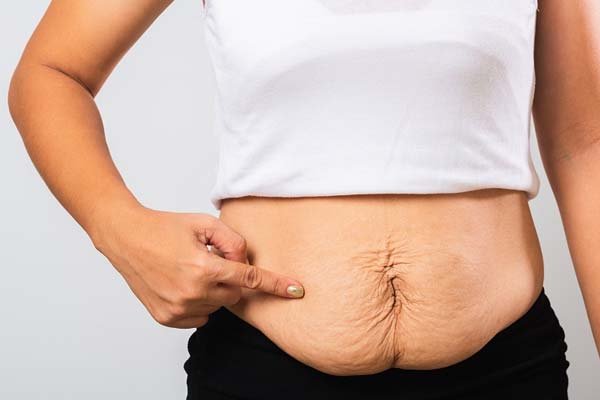
تعد عملية شد الترهلات (Body Contouring) من العمليات الجراحية التي تستخدم لنحت الجسم، وتتمثل في إزالة الجلد الزائد وشد الأنسجة المترهلة. تستخدم هذه العملية عادة بعد فقدان الوزن الكبير أو بعد الحمل والولادة، حيث يترك الجلد المترهل والترهلات في الجسم. تتضمن هذه العملية إجراءات مختلفة مثل شد البطن والفخذين والذراعين والثديين.
نحت الجسم بالليزر
تستخدم عملية نحت الجسم بالليزر (Laser Body Sculpting) لتفتيت الخلايا الدهنية عن طريق توجيه شعاع الليزر على الأنسجة المرغوب في تنحيفها. يتم إدخال الجهاز المستخدم في هذه العملية من خلال شق بسيط في الجلد، ويتم تحريكه بحركات دقيقة لتفتيت الدهون وتحسين مظهر الجسم.
بغض النظر عن النوع المستخدم، فإن عمليات نحت الجسم تعتبر إجراءات جراحية تتطلب فترة نقاهة ورعاية مستمرة بعد العملية. يجب على الأشخاص الذين يفكرون في إجراء هذه العمليات الحصول على المشورة الطبية والتحدث مع جراح التجميل لتحديد الطريقة الأنسب لنحت جسمهم.
مناطق الجسم التي يمكن نحتها
منطقة البطن
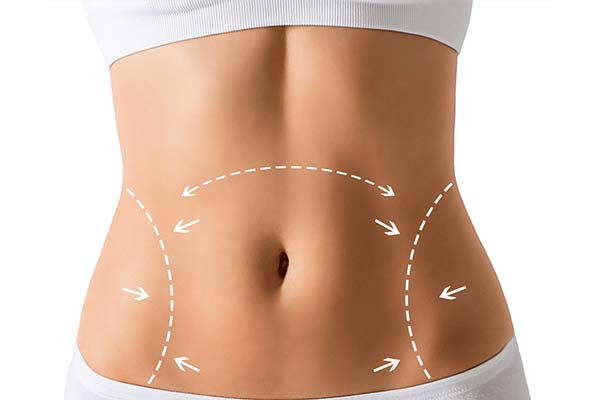
تعتبر منطقة البطن واحدة من أكثر المناطق التي يتم نحتها باستخدام تقنيات نحت الجسم. يتم في هذه المنطقة إزالة الدهون العنيدة التي لا يمكن التخلص منها بسهولة من خلال الحمية الغذائية أو التمارين الرياضية. ويتم ذلك باستخدام تقنيات مثل الليزر والتبريد والترددات الراديوية.
الفخذين
منطقة الفخذين هي منطقة أخرى يتم نحتها بكثرة باستخدام تقنيات نحت الجسم. وتعتبر هذه المنطقة من أكثر المناطق ترهلاً بعد فقدان الوزن، ولذلك فإن تقنيات نحت الجسم تساعد على إعادة تشكيل الفخذين وتحسين مظهرهما.
الذراعين
منطقة الذراعين هي منطقة أخرى يتم نحتها بكثرة باستخدام تقنيات نحت الجسم. وتعتبر هذه المنطقة من المناطق التي تتراكم فيها الدهون بشكل كبير، ويتم إزالة هذه الدهون باستخدام تقنيات مثل الليزر والترددات الراديوية.
الخواصر
تعتبر منطقة الخواصر منطقة أخرى يتم نحتها بكثرة باستخدام تقنيات نحت الجسم. وتعتبر هذه المنطقة من المناطق التي يتراكم فيها الدهون بشكل كبير، ويتم إزالة هذه الدهون باستخدام تقنيات مثل الليزر والترددات الراديوية.
الثدي
تعتبر منطقة الثدي منطقة يتم نحتها عند النساء، وتستخدم تقنيات نحت الجسم لإعادة تشكيل الثدي وتحسين مظهره.
الذقن
تعتبر منطقة الذقن منطقة يتم نحتها لتحسين مظهر الوجه، ويتم ذلك باستخدام تقنيات مثل الليزر والترددات الراديوية.
يتم استخدام تقنيات نحت الجسم في العديد من المناطق في الجسم، ويمكنها تحسين مظهر الجسم وإزالة الدهون العنيدة. ولكن يجب الانتباه إلى أن تقنيات نحت الجسم ليست بديلاً للحمية الغذائية والتمارين الرياضية، وإنما تعد مكملاً لها.
التحضير لعمليات نحت الجسم
يعتبر التحضير لعمليات نحت الجسم أمراً هاماً للحصول على نتائج جيدة وتجنب أي مضاعفات. يجب على المريض الالتزام ببعض الإرشادات والتوصيات الطبية قبل الخضوع للعملية.
من أهم الإرشادات التي يجب اتباعها قبل العملية هي الحفاظ على وزن صحي ومناسب. ينصح المريض باتباع حمية غذائية صحية ومتوازنة قبل العملية للتخلص من الدهون الزائدة في الجسم. يجب تجنب الأطعمة الدهنية والسكريات والمشروبات الغازية والكحولية والملح بشكل كبير.
يجب أيضاً الامتناع عن التدخين قبل العملية لمدة تصل إلى أسبوعين، حيث يؤثر التدخين على عملية التئام الجروح ويزيد من خطر حدوث مضاعفات.
بالإضافة إلى ذلك، يجب عدم تناول الأدوية المسكنة للألم قبل العملية بـ 48 ساعة، والتوقف عن تناول الأدوية المضادة للتخثر قبل العملية بـ 10 أيام.
ينصح المريض بارتداء ملابس مريحة ومناسبة للعملية، وتجنب استخدام المجوهرات والأكسسوارات. يجب أيضاً الاستحمام بشكل جيد قبل العملية وتجنب استخدام الكريمات والزيوت على الجسم.
باختصار، يجب على المريض اتباع إرشادات الطبيب المعالج والالتزام بالتوصيات الطبية المحددة قبل العملية للحصول على نتائج جيدة وتجنب أي مضاعفات.
العوارض والمضاعفات
التورم والكدمات
يمكن أن تحدث التورم والكدمات بعد عملية نحت الجسم، وتعتبر هذه الأعراض شائعة ومؤقتة. يمكن استخدام الثلج والضغط الخفيف للتخفيف من الألم والتورم. يجب على الشخص الحذر من تناول الأسبرين والمواد المضادة للالتهابات قبل العملية، حيث يمكن أن تزيد من خطر حدوث التورم والكدمات.
تراكم السوائل
يمكن أن يؤدي تراكم السوائل إلى ظهور تورم واحمرار في المنطقة المعالجة. يمكن للأطباء استخدام الإبر لإزالة السوائل الزائدة، ولكن يجب على المريض الحذر من تناول الملح بكميات كبيرة بعد العملية، حيث يمكن أن يزيد من خطر تراكم السوائل.
آثار جانبية
يمكن أن تحدث آثار جانبية بعد عملية نحت الجسم، وتشمل آلام الظهر والعنق والصداع والتعب والدوخة. يمكن أن تحدث أيضًا عدوى ونزيف وتغيرات في الحس الجلدي وتشكيل ندبات وخدوش. يجب على الشخص الاتصال بالطبيب إذا حدث أي من هذه الأعراض بعد العملية.
يجب على الشخص الحذر من الاعتماد على عمليات نحت الجسم كحل لفقدان الوزن، حيث يمكن أن تحدث آثار جانبية ومضاعفات خطيرة. يجب على الشخص التحدث مع الطبيب حول العوارض والمضاعفات المحتملة والخطر والفوائد قبل إجراء العملية.
العناية بالجلد بعد العملية
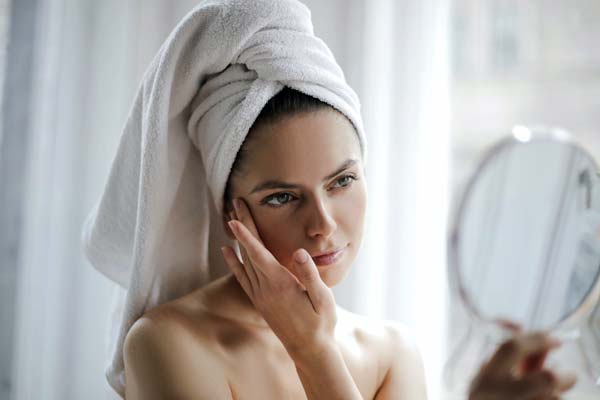
بعد إجراء عملية نحت الجسم، يجب على المريض الاهتمام بالجلد والعناية به بشكل جيد لتجنب أي مشاكل محتملة. ومن أهم ما يجب الانتباه إليه هو الكولاجين والإيلاستين والندبات.
الكولاجين والإيلاستين
يعتبر الكولاجين والإيلاستين من البروتينات الهامة في الجلد والتي تحافظ على مرونته وشبابه. لذلك، يجب على المريض الاهتمام بتناول الأطعمة الغنية بهذه البروتينات، مثل اللحوم والدواجن والأسماك والبيض والمكسرات والحبوب الكاملة.
بالإضافة إلى ذلك، يمكن استخدام المنتجات الطبيعية التي تحتوي على الكولاجين والإيلاستين، مثل الجيلاتين والزبادي والعسل وزيت الزيتون والأفوكادو.
الندبات
قد تظهر بعض الندبات بعد إجراء عملية نحت الجسم، ولتجنب ذلك يجب الحرص على العناية بالجلد وتجنب التعرض للشمس واستخدام واقي الشمس بشكل دائم. كما يمكن استخدام بعض المنتجات التي تحتوي على السيليكون وفيتامين E لتقليل ظهور الندبات.
يجب أيضاً تجنب إزالة الجلد الميت بشكل يدوي أو باستخدام الأدوات الحادة، حيث يمكن أن يؤدي ذلك إلى تكوين ندبات.
بالإضافة إلى ذلك، يمكن استخدام الكريمات والزيوت الطبيعية التي تحتوي على فيتامين C وزيت اللافندر والزيوت الأخرى لترطيب الجلد وتحسين مرونته.
يرجى ملاحظة أنه يجب استشارة الطبيب المعالج في حالة ظهور أي مشاكل محتملة بعد العملية.
التخلص من الدهون العنيدة
تعد الدهون العنيدة من المشاكل الشائعة التي يعاني منها الكثيرون، حيث تتجمع هذه الدهون في مناطق محددة من الجسم وتصعب إزالتها بالرغم من ممارسة التمارين الرياضية واتباع نظام غذائي صحي. لذلك، يعتبر نحت الجسم واحدًا من الحلول المثالية للتخلص من الدهون العنيدة.
تتوفر عدة طرق لنحت الجسم، وتختلف هذه الطرق في الأساليب والتقنيات المستخدمة. على سبيل المثال، يمكن استخدام تقنية الشفط باستخدام الليزر أو الأشعة فوق الصوتية لإزالة الدهون من المناطق المراد تنحيفها. كما يمكن حقن الدهون في مناطق أخرى من الجسم لإبراز منحنيات الجسم الطبيعية.
يجب على الأشخاص الذين يفكرون في إجراء عملية نحت الجسم أن يفهموا الفوائد والمخاطر المحتملة لهذه العملية. فعلى الرغم من أن نحت الجسم يمكن أن يساعد في تحسين مظهر الجسم وزيادة الثقة بالنفس، إلا أنه يمكن أن يسبب بعض المضاعفات مثل تورم الجسم والندوب والتهاب الجلد.
بالإضافة إلى ذلك، يجب على الأشخاص الذين يفكرون في إجراء عملية نحت الجسم أن يتبعوا نظامًا غذائيًا صحيًا ويمارسوا التمارين الرياضية بانتظام للحفاظ على النتائج المستمرة للعملية.
بشكل عام، يمكن لنحت الجسم أن يكون حلاً ممتازًا للأشخاص الذين يعانون من تجمع الدهون العنيدة في مناطق محددة من الجسم، ولكن يجب على الأشخاص الحذر والتحقق من المخاطر والفوائد المحتملة قبل اتخاذ قرار الإجراء.
الخلاصة
تعد عمليات نحت الجسم وسيلة شائعة لتحسين مظهر الجسم وإزالة التجمعات الدهنية العنيدة في مناطق محددة. وتتضمن هذه العمليات عدة تقنيات غير جراحية مثل التبريد والليزر والموجات فوق الصوتية وموجات الراديو.
يعتبر نحت الجسم عملية آمنة وفعالة إذا تم تنفيذها بواسطة متخصصين مؤهلين وباستخدام تقنيات حديثة وآلات عالية الجودة. ومن المهم الإشارة إلى أن هذه العمليات لا تعد بديلاً للنظام الغذائي الصحي والتمارين الرياضية الدورية.
ومن بين الفوائد الرئيسية لنحت الجسم هي تحسين مظهر الجسم وزيادة الثقة بالنفس، وتقليل خطر الإصابة ببعض الأمراض المزمنة مثل أمراض القلب والسكري وارتفاع ضغط الدم.
ومع ذلك، قد تواجه بعض الأشخاص بعض المخاطر والآثار الجانبية المحتملة مثل الألم والتورم والندوب والاحمرار والتنميل والحكة. ويجب على الأشخاص الذين يفكرون في إجراء عملية نحت الجسم استشارة الطبيب المختص لتحديد ما إذا كانت هذه العملية مناسبة لحالتهم الصحية وتحديد التقنية الأنسب لهم.
بشكل عام، فإن عمليات نحت الجسم تعد وسيلة فعالة وآمنة لتحسين مظهر الجسم وإزالة التجمعات الدهنية العنيدة في مناطق محددة، ويمكن أن تؤدي إلى تحسين الصحة العامة للأشخاص الذين يخضعون لهذه العمليات.