كيف أعرف شكل جسمي: دليل مفصل لمعرفة نوعية الجسم والأشكال المختلفة
يعد فهم شكل الجسم الخاص بك أمرًا مهمًا للغاية، حيث يساعدك على اختيار الملابس التي تناسبك وتبرز جمالك وأناقتك. بالإضافة إلى ذلك، فإن معرفة شكل جسمك يمكن أن تساعدك على تحديد نوعية التمارين الرياضية التي تحتاج إليها والتي تناسب جسمك.
يوفر معرفة شكل جسمك العديد من الفوائد الصحية والنفسية. فعلى سبيل المثال، إذا كنت تعرف شكل جسمك، فسوف تكون قادرًا على تحديد الوزن المثالي الذي يجب أن تحافظ عليه، وبالتالي تحسين صحتك والحفاظ على لياقتك البدنية. كما أن معرفة شكل جسمك يمكن أن تساعدك على تحسين ثقتك بنفسك وتعزيز شعورك بالجمال والأناقة.
لتحديد شكل جسمك، يمكن اتباع بعض الخطوات البسيطة. يمكن قياس منطقة الصدر والخصر والورك والكتف، ثم مقارنة القياسات مع بعضها البعض لتحديد شكل الجسم. يمكن استخدام العديد من الأدوات المتاحة عبر الإنترنت لتحديد شكل جسمك، مثل حاسبة شكل الجسم، والتي تتطلب إدخال القياسات الخاصة بك لتحديد شكل جسمك بشكل دقيق.
فهم أشكال الجسم
تعد فهم أشكال الجسم من الأمور الهامة التي يجب على النساء معرفتها، حيث يساعد على اختيار الملابس المناسبة والتي تظهر جمال الجسم بشكل أفضل. وتعتمد أشكال الجسم على توزيع الدهون في الجسم، وتختلف من شخص لآخر.
فئات شائعة لأشكال الجسم
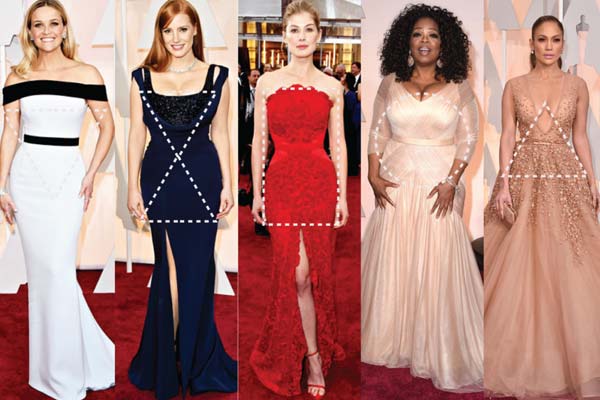
يوجد خمس فئات شائعة لأشكال الجسم، وهي:
- شكل الكمثرى: يتميز بأن الوركين أو الأرداف أكبر من الصدر والكتفين.
- شكل التفاحة: يتميز بأن البطن أكبر من الصدر والوركين.
- شكل الساعة الرملية: يتميز بتوزيع متساوٍ للدهون في الجسم، ويكون الخصر محددًا.
- شكل المستطيل: يتميز بعدم وجود تحديد للخصر، حيث يكون الصدر والوركين والكتفين متساوين في العرض.
- شكل المثلث المقلوب: يتميز بأن الكتفين أو الأكتاف أكبر من الصدر والوركين.
شكل الجسم
تختلف أنواع الجسم عند النساء من حيث الشكل، ولكل جسم شكله وتقسيماته وتركيبته المميزة لكل سيدة. وتشمل أشكال جسم المرأة الصدر والأرداف والبطن والأكتاف والكتف والوسط والحوض والورك والرقبة والظهر.
ويجب على المرأة معرفة شكل جسمها لتستطيع اختيار الملابس المناسبة التي تناسب جسمها، وتظهر جمالها بشكل أفضل. ويمكن للمرأة استخدام القلم الرصاص وورقة وماسورة للقياس لتحديد شكل جسمها، ويفضل ارتداء ملابس خفيفة مثل الملابس الداخلية لتسهيل عملية القياس.
تحديد شكل جسمك
لتحديد شكل جسمك، يمكنك إتباع الخطوات التالية:
القياسات المطلوبة
أولاً، يجب عليك أخذ القياسات التالية باستخدام متر القياس:
- محيط الصدر: يتم قياسه على أعلى جزء من الصدر، مباشرة تحت الإبط.
- محيط الخصر: يتم قياسه في أضيق جزء من الخصر.
- محيط الوركين: يتم قياسه على أوسع جزء من الوركين.
عملية خطوة بخطوة
- قياس الصدر: يجب على الشخص الوقوف بشكل مستقيم والتأكد من أن الذراعين على جانبي الجسم. يتم وضع متر القياس حول الصدر وقياس المحيط.
- قياس الخصر: يجب على الشخص الوقوف بشكل مستقيم والتأكد من أن الذراعين على جانبي الجسم. يتم وضع متر القياس حول أضيق جزء من الخصر وقياس المحيط.
- قياس الوركين: يجب على الشخص الوقوف بشكل مستقيم والتأكد من أن الذراعين على جانبي الجسم. يتم وضع متر القياس حول أوسع جزء من الوركين وقياس المحيط.
- مقارنة القياسات: بعد أخذ القياسات، يمكن مقارنة المحيطات لتحديد شكل الجسم.
- تحليل النسب: يمكن استخدام النسب لتحديد شكل الجسم. على سبيل المثال، إذا كان محيط الخصر أصغر من محيط الصدر والوركين، فإن الشكل يعتبر “شكل الرملة”.
يجب عدم ارتداء ثياب سميكة أثناء أخذ القياسات باستخدام متر القياس.
شكل الكمثرى
يعتبر شكل الكمثرى أحد أنواع الأجسام الأكثر شيوعًا بين النساء، ويتميز بأن الجزء السفلي من الجسم أعرض من الجزء العلوي. يتميز هذا النوع من الجسم بالملامح التالية:
- الأكتاف صغيرة وضيّقة.
- الصدر صغير أو متوسّط الحجم.
- الخصر صغير ومكسّم.
- الأرداف مستديرة.
يمكن إيجاد الملابس المناسبة لشكل الكمثرى بتضخيم الجزء العلوي من الجسم، والتركيز على الخصر. ومن الأنماط المناسبة لشكل الكمثرى:
- الفساتين الضيقة من الأعلى والواسعة من الأسفل.
- القمصان الواسعة والفضفاضة.
- الجاكيتات القصيرة.
- السراويل الواسعة.
يجب تجنب الألوان الفاتحة والأقمشة اللامعة، واختيار الألوان الغامقة والمحايدة مثل الأسود والرمادي والبني والأخضر الداكن. كما يجب تجنب الأحزمة العريضة واختيار الأحزمة النحيلة.
يجب تجنب الفساتين الضيقة من الأعلى والأسفل والأقمشة اللامعة، حيث يمكن أن تجعل الجسم يبدو غير متوازن. كما يجب تجنب السراويل الضيقة والتنانير القصيرة.
بشكل عام، يجب تجنب الأزياء الضيقة والمتضخمة، واختيار الأزياء التي تعزز توازن الجسم. ويمكن استشارة خبير الموضة لمساعدتك في اختيار الملابس المناسبة لشكل جسمك.
شكل التفاحة
يتميز شكل التفاحة بأن الكتلة الجسمانية تنحصر في منطقة الصدر والبطن، ويتميز بأن الوجه والرقبة يكونان ممتلئين، الأكتاف عريضة، الخصر ممتلئ والصدر ممتلئ وتكون الأرداف غير ممتلئة. ويعتبر هذا الشكل من الأشكال المميزة للجسم التي يصعب إخفاؤها بالملابس، لكن يمكن تحقيق التوازن بين الجزء العلوي والسفلي من الجسم عن طريق ارتداء الملابس المناسبة.
السمات المميزة
- الكتلة الجسمانية تنحصر في منطقة الصدر والبطن.
- الوجه والرقبة يكونان ممتلئين.
- الأكتاف عريضة.
- الخصر ممتلئ والصدر ممتلئ.
- الأرداف غير ممتلئة.
أفضل أنماط الملابس
ينصح بارتداء الملابس التي تحقق التوازن بين الجزء العلوي والسفلي من الجسم، وتخفي امتلاء الخصر والبطن. ومن أفضل أنماط الملابس لشكل التفاحة:
- الفساتين ذات الخصر المنخفض.
- القمصان الواسعة ذات الياقات الكبيرة.
- الجاكيتات الواسعة ذات الأزرار.
- السراويل الواسعة والطويلة.
ما يجب وما لا يجب فعله عند اختيار ملابس لشكل التفاحة
- يجب اختيار الملابس التي تحقق التوازن بين الجزء العلوي والسفلي من الجسم.
- يجب تجنب ارتداء الملابس الضيقة التي تبرز امتلاء الخصر والبطن.
- يجب اختيار الملابس الواسعة والراحة.
- يجب تجنب الأحزمة الضيقة التي تبرز امتلاء الخصر والبطن.
- يجب اختيار الأقمشة الناعمة والمريحة.
باختيار الملابس المناسبة، يمكن لصاحبات شكل التفاحة الحصول على إطلالة جميلة ومتوازنة.
شكل الساعة الرملية
يعتبر شكل الساعة الرملية من أكثر أشكال الجسم جاذبية وجمالاً، حيث يتميز بالتناسق والتوازن بين مختلف أجزاء الجسم. ويتميز هذا الشكل بالخصر النحيل والمحدد والذي يكون بنسبة متساوية مع مقاسات الصدر والوركين.
أما بالنسبة للسمات المميزة لشكل الساعة الرملية، فيتميز بالنحافة والرشاقة والتناسق بين مختلف أجزاء الجسم، كما يتميز بالأكتاف المستديرة والفخذين الممتلئين والمنحنيات الجذابة.
ويعد شكل الساعة الرملية من الأشكال القليلة التي تتناسب مع مختلف أنماط الملابس، حيث يمكن لصاحبة هذا الشكل ارتداء معظم الأزياء بشكل جذاب ومناسب، سواء كانت فساتين أو بنطلونات أو تنانير.
وعند اختيار الملابس لشكل الساعة الرملية، من المهم اختيار الملابس التي تسلط الضوء على الخصر النحيل والمحدد، كما يجب تجنب الأزياء الفضفاضة والتي لا تبرز جمال المنحنيات الجذابة للجسم.
وبشكل عام، يعد شكل الساعة الرملية من الأشكال الجسمية الأكثر جاذبية وجمالاً، ويمكن لصاحبات هذا الشكل الاستمتاع بتجربة مختلف أنماط الملابس بكل ثقة وجاذبية.
شكل المستطيل
يتميز شكل الجسم المستطيل بأن جميع أجزاء الجسم تكون متساوية العرض، ولا يوجد اختلاف كبير في نسبة الورك إلى الخصر. يتميز هذا الشكل بعدم وجود منحنيات في أنحاء الجسم، وعدم وجود تحديد جيد للخصر. كما أن الجزء السفلي من الجسم يكون مسطحًا إلى حد ما.
السمات المميزة
- تتميز صاحبة الجسم المستطيل بالنحافة والطول.
- لا يوجد تحديد جيد للخصر.
- يتوزع الوزن بالتساوي في جميع أنحاء الجسم.
- يفتقر الجسم إلى المنحنيات.
أفضل أنماط الملابس
- يفضل ارتداء الملابس الضيقة لإبراز الجسم وتحديده.
- يمكن ارتداء الملابس الواسعة في الأعلى والضيقة في الأسفل لتحديد الجزء السفلي من الجسم.
- يمكن ارتداء الفساتين الضيقة لإبراز الجسم وتحديده.
ما يجب وما لا يجب فعله عند اختيار ملابس لشكل المستطيل
- يجب اختيار الملابس التي تساعد على إبراز الجسم وتحديده.
- يجب تجنب الأشكال الواسعة والغير محددة.
- يجب الانتباه إلى توزيع الألوان في الملابس، وتجنب الألوان الداكنة والمتشابهة في الأجزاء المختلفة من الجسم.
يجب على صاحبة الجسم المستطيل اختيار الملابس التي تساعدها على إبراز جمالها وتحديدها، وتجنب الأشكال الواسعة والغير محددة. كما يجب الانتباه إلى توزيع الألوان في الملابس، وتجنب الألوان الداكنة والمتشابهة في الأجزاء المختلفة من الجسم.
شكل المثلث المقلوب
يعتبر شكل المثلث المقلوب من الأشكال الجسدية الشائعة بين النساء، ويتميز بسمات مميزة تساعد على تحديد نوع الملابس المناسبة لهذا الشكل الجسدي. ويتميز شكل المثلث المقلوب بالمنطقة العلوية من الجسم التي تكون ضيقة مقارنة بالمنطقة السفلية، حيث يكون الصدر والكتفين نحيفين، والرقبة طويلة ورفيعة، بينما تكون الأكتاف عريضة والخصر صغير والأرداف مستديرة.
السمات المميزة
يتميز شكل المثلث المقلوب بسمات مميزة، ومن أبرز هذه السمات:
- الصدر والكتفين نحيفين.
- الرقبة طويلة ورفيعة.
- الأكتاف عريضة.
- الخصر صغير.
- الأرداف مستديرة.
أفضل أنماط الملابس
عند اختيار الملابس المناسبة لشكل المثلث المقلوب يجب الانتباه إلى بعض النقاط التي تساعد على إبراز جمال هذا الشكل الجسدي، ومن أفضل أنماط الملابس التي يمكن ارتداؤها لتحقيق ذلك:
- البلوزات الواسعة من الأعلى.
- السترات الطويلة.
- الفساتين ذات الأكمام الواسعة.
- البناطيل الواسعة من الأسفل.
ما يجب وما لا يجب فعله عند اختيار ملابس لشكل المثلث المقلوب
عند اختيار الملابس المناسبة لشكل المثلث المقلوب يجب الانتباه إلى بعض النقاط التي يجب القيام بها وتجنب بعض الأمور التي يجب عدم فعلها، ومن هذه النقاط:
ما يجب فعله:
- اختيار الملابس التي تبرز جمال الجزء السفلي من الجسم.
- الاهتمام بارتداء الملابس التي تعطي شكلًا متوازنًا للجسم.
- اختيار الملابس ذات الأقمشة الخفيفة والمريحة.
ما لا يجب فعله:
- ارتداء الملابس الضيقة والملتصقة بالجسم.
- ارتداء الملابس القصيرة.
- ارتداء الملابس ذات الأكمام الضيقة.
الاستنتاج
من المهم جدًا معرفة شكل جسمك وفهمه لأنه يساعدك على اختيار الملابس المناسبة التي تظهر جمالك وأناقتك. يجب عليك أن تحتضن وتحتفل بشكل جسمك الفريد الخاص بك ، بغض النظر عن الشكل الذي يملكه ، وتبني نظرة إيجابية لنفسك.
بعد معرفة شكل جسمك ، يمكنك تحديد الأنماط والتصاميم التي تناسبه. على سبيل المثال ، يمكن للأشخاص الذين لديهم جسم على شكل المثلث العكسي ارتداء الياقات العريضة وتجنب الإكثار من التطريزات الكبيرة على الملابس. بالإضافة إلى ذلك ، يمكن للأشخاص الذين لديهم جسم على شكل الكمثرى ارتداء الملابس التي تبرز خصرهم وتخفي مؤخرتهم.
لتحقيق الثقة في الارتداء ، يجب أن ترتدي الملابس التي تناسب شكل جسمك بشكل جيد وتشعر بالراحة فيها. يمكنك الحصول على نصائح مفيدة من متاجر الملابس أو خبير الموضة لتحديد الأنماط والألوان التي تناسب شكل جسمك.
بالإضافة إلى ارتداء الملابس المناسبة ، يمكن للتمارين الرياضية ونظام غذائي صحي أن يساعدان في تحسين شكل جسمك وزيادة ثقتك بنفسك. يمكن للتمارين الرياضية مثل اليوغا والتمارين الخفيفة أن تساعد في تحسين مرونة الجسم وتقليل الدهون الزائدة. ويمكن لنظام غذائي صحي أن يساعد في تحسين صحة الجسم والمساعدة في تحقيق شكل جسم مثالي.