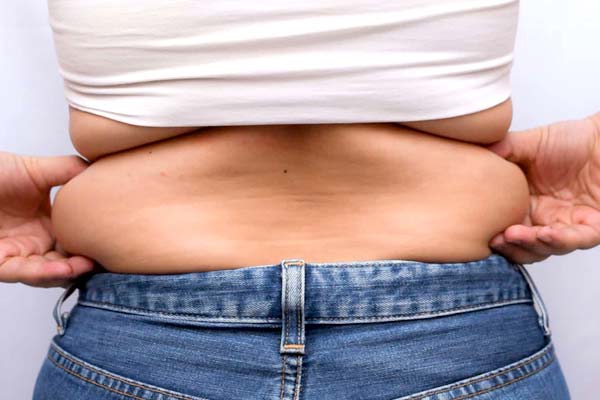
خسارة 20 كيلو في 3 شهور

Lose 20 Kilograms In 3 Months: Can You Really Do It Safely?

Want to lose 20 kilograms in 3 months? First: honest moment — that’s an aggressive target. A loss of ~20 kg in ~12 weeks averages about 1.6 kg per week, which is substantially faster than typical safe recommendations for most people.

This guide gives a realistic, structured, and safety-first plan: the math behind the goal, what’s possible, how to train and eat, sample plans and tables you can use, strategies to preserve muscle, and FAQs to answer the tough questions.

Wherever you start from, consider this a practical blueprint — and a reminder to check with a healthcare professional before attempting large or rapid weight loss.

Lose 20 Kilograms In 3 Months

Important Safety Notice

  • Rapid weight loss carries risks: gallstones, nutritional deficiencies, dehydration, metabolic slowdown, and loss of muscle mass. If you have medical conditions (diabetes, cardiovascular disease, thyroid problems, pregnancy, etc.), consult a doctor before starting. Rapid approaches should be supervised by a clinician.

Is Losing 20 Kilograms In 3 Months Realistic?

Short answer: technically possible for some people, but generally extreme and often unsustainable or unsafe for many. Most public health organizations recommend modest, steady weight loss — typically about 0.5–1 kilogram (1–2 pounds) per week — because slower loss is more likely to preserve lean mass, avoid complications, and stick long term. That guideline is widely taught and used in clinical programs.

The Math: How Big A Calorie Deficit Is Required?

Understanding the calorie math makes the scale less mysterious.

  • Roughly speaking, a kilogram of body fat is often estimated to equal about 7,000–7,700 kilocalories of energy (estimates vary because human tissue contains water and non-fat components). Using a common practical figure of ~7,700 kcal/kg gives us a baseline for calculations.

Simple Calculation

  • 20 kg × 7,700 kcal/kg ≈ 154,000 kcal total deficit needed.
  • Over 90 days (≈ 12.9 weeks) → 154,000 ÷ 90 ≈ 1,711 kcal/day deficit needed.

That level of daily deficit (≈1,700 kcal) is very large and for many people would either require dangerously low calorie intake, extremely high levels of exercise, or both — and is often unsustainable and unsafe.

Table: What Daily Calorie Deficit Means In Practice

Target Loss Total Deficit Needed (approx) Days Daily Deficit Needed
5 kg 38,500 kcal 90 428 kcal/day
10 kg 77,000 kcal 90 855 kcal/day
20 kg 154,000 kcal 90 1,711 kcal/day

Practical note: Most clinical plans cap safe daily deficits around 500–1,000 kcal/day, and larger sustained deficits usually require medical oversight.

Realistic Options If You Want Big, Fast Results

If you insist on a large short-term goal, there are three pragmatic paths — each with pros/cons:

  1. Aggressive Diet Plus Supervised Program
    • Very low calorie diets (VLCDs) under medical supervision can produce rapid weight loss, but they are medical interventions with risks and strict monitoring. Not for self-directed dieting.
  2. Moderately Aggressive Lifestyle Overhaul
    • Combine a high but not extreme daily calorie deficit (800–1,000 kcal/day) with intense exercise and close monitoring. This may produce faster-than-normal results but less likely to reach 20 kg in 90 days unless starting weight is high.
  3. Longer, Sustainable Timeline
    • Stretch your goal to 6 months or more. Safer, more sustainable, and much more likely to preserve muscle and metabolic health.

How To Lose Weight Without Sacrificing Muscle

When losing weight fast, preserving lean body mass is vital. The tools to do that are protein, resistance training, and smart calorie targets.

  • Protein Intake: For people actively trying to lose weight while training, protein recommendations often range from 1.2 to 2.2 g per kg of bodyweight per day depending on activity and goals. Higher protein supports muscle retention and satiety.
  • Strength Training: Prioritize compound lifts and progressive overload at least 2–4 times weekly to signal the body to keep muscle.
  • Avoid Extreme Calorie Deficits: Bigger deficits increase risk of muscle loss.

Lose 20 Kilograms In 3 Months

The Three Pillars: Eat, Train, Recover

1. Eat: Smart Calorie Control and Quality Nutrition

  • Calculate a realistic calorie target: estimate maintenance calories (TDEE), then subtract a deficit — ideally 500–1000 kcal/day unless under clinical supervision.
  • Emphasize protein each meal (e.g., 30–40 g per meal depending on body size).
  • Prioritize whole foods: lean proteins, vegetables, whole grains, legumes, nuts, and healthy fats.
  • Use volume eating (low-calorie dense foods) to control hunger.
  • Refeed/strategic carbohydrate days can help adherence and hormones.

2. Train: Preserve Muscle and Burn Fat

  • Strength training 3–5x/week, focusing on compound movements (squats, deadlifts, presses, rows).
  • Add cardio for additional calorie burn: mix steady-state (30–60 min) with HIIT sessions (10–20 min intervals) as tolerated.
  • Schedule active recovery (walking, mobility, light cycling) daily.

3. Recover: Sleep, Stress, Hydration

  • Aim for 7–9 hours sleep — poor sleep sabotages hormones that control appetite.
  • Manage stress via breathing, mindfulness, or gentle movement.
  • Stay hydrated; dehydration can look like hunger and impair performance.

Sample Macro And Calorie Targets (By Starting Weight)

These are examples, not prescriptions. Adjust based on measured results and how you feel.

Starting Weight (kg) Estimated Maintenance (kcal/day) Moderate Deficit (-750 kcal) Protein Target (1.6 g/kg)
90 kg 2,700 kcal 1,950 kcal/day 144 g/day
100 kg 3,000 kcal 2,250 kcal/day 160 g/day
110 kg 3,200 kcal 2,450 kcal/day 176 g/day

Tip: Use a tracking app for 2–4 weeks to estimate true maintenance, then apply a deficit. If you aim for very fast loss, consult a clinician before dropping below 1,200–1,400 kcal/day for women or 1,500–1,800 kcal/day for men (rough guidelines that vary by individual).

Sample Weekly Training Plan (12–16 Weeks)

Day Resistance Cardio Notes
Mon Legs (Squat focus) 4 sets × 6–10 reps 20–30 min steady walk Mobility after
Tue Push (Bench/Press) 3–4 sets × 6–10 15 min HIIT (bike) Protein post-workout
Wed Active Recovery: Walk/Yoga Foam roll
Thu Pull (Rows/Deadlift variant) 4×6–8 20–30 min incline treadmill
Fri Full Body Hypertrophy 3 sets × 10–12 15 min HIIT Focus on form
Sat Long Low-Intensity Cardio 45–60 min Fat-burning endurance
Sun Rest or Light Activity Sleep & prep meals

Sample Day Meal Plan (Example ~2,000 kcal; adjust to your target)

  • Breakfast: Greek yogurt (200 g) with oats, berries, and a tablespoon of nuts. (~400 kcal)
  • Mid-Morning Snack: Boiled egg + apple. (~150 kcal)
  • Lunch: Grilled chicken breast (150 g), large salad (greens, veggies), quinoa (1/2 cup). (~550 kcal)
  • Pre-Workout Snack: Banana + 20 g whey or plant protein. (~200 kcal)
  • Dinner: Baked salmon (120 g), sweet potato (small), steamed broccoli. (~500 kcal)
  • Evening: Cottage cheese (100 g) or casein-style snack. (~150 kcal)

How To Track Progress Effectively

  • Weigh Weekly: Same day, same clothes, first thing in the morning after bathroom.
  • Measure Circumference: Waist, hips, chest, arms, thighs monthly.
  • Track Strength Numbers: If your lifts remain stable or increase, you’re preserving muscle.
  • Photos: Front, side, back every 2–4 weeks.
  • Energy And Sleep: Subjective metrics that matter.

Plateaus, Hunger, And Metabolic Adaptation

  • Plateau: If weight stalls for 2+ weeks, first check adherence (actual calories vs planned). Then:
    • Slightly increase activity or reduce calories by 100–200 kcal.
    • Consider a refeed (1–2 days higher calories) to restore hormones.
  • Persistent Hunger: Increase protein, add fibrous veggies, and ensure meals include fat and fiber.
  • Adaptation: Long periods of deficit lower metabolic rate. Refeeds, planned diet breaks, and slower reductions help mitigate this.

12-Week Phase Breakdown

Weeks 1–4: Establish Foundation

  • Create calorie baseline, start tracking.
  • Begin strength training 3x/week.
  • Target protein 1.6 g/kg.
  • Walk daily 20–40 minutes.

Weeks 5–8: Increase Intensity

  • Add a 4th strength session or extend sets.
  • Introduce 1–2 HIIT sessions per week.
  • Tighten portion control and reduce processed foods.

Weeks 9–12: Fine-Tune And Maintain

  • Push for progressive overload in lifts.
  • Monitor signs of excessive fatigue.
  • Consider small calorie increases if strength and energy decline.

Practical Tools And Hacks (Bullet Points)

  • Pre-cook proteins in bulk to avoid evening carb cravings.
  • Use smaller plates and pre-portion snacks.
  • Keep a water bottle visible at all times.
  • Fill half your plate with vegetables at meals.
  • Schedule workouts like appointments; protect them on your calendar.
  • Use non-scale victories as motivation: tighter clothes, improved sleep, better mood.
  • Add NEAT (non-exercise activity thermogenesis): stand more, take stairs, short walking breaks.

Risks And Red Flags To Watch For

  • Dizziness, fainting or confusion (stop and seek medical help).
  • Sudden heart palpitations or chest pain — medical emergency.
  • Extreme fatigue, hair loss, or chronic illness — check micronutrients and energy intake.
  • If you rapidly lose weight and develop severe abdominal pain, see a doctor (gallstones can increase with rapid loss).

Frequently Asked Questions (FAQs)

Q: Can I safely lose 20 kg in 3 months?
A: For most people, that is very aggressive and not recommended without medical supervision. Safer, evidence-based guidance usually targets 0.5–1 kg per week for long-term results; very rapid loss increases risk of complications. If you are determined, speak to a physician or dietitian first.

Q: How many calories equal 1 kg of body fat?
A: Classic estimates range from about 7,000–7,700 kcal per kilogram of fat mass, but human body composition and metabolic adaptations make precise conversion variable. Use the figure as a ballpark for planning, not an exact rule.

Q: How much protein should I eat while dieting?
A: For active people focused on fat loss and muscle preservation, aim roughly 1.2–2.2 g of protein per kg of bodyweight per day, with many performance-oriented recommendations landing in 1.6–2.0 g/kg.

Q: Will I lose muscle if I diet fast?
A: A rapid deficit increases the risk of muscle loss. You lower that risk by eating enough protein, performing regular resistance training, and avoiding extremely low calories where possible.

Q: Are crash diets effective?
A: Short-term crash diets can drop weight quickly but often cause nutrient deficiencies, gallstones, metabolic slowdown, and a high chance of regaining weight. They are generally not recommended except under medical care.

Q: How should I split cardio and strength?
A: Prioritize strength training (3–5 sessions/week). Add cardio for additional calorie burn: 2–3 steady-state sessions and 1–2 HIIT sessions weekly, adjusted to recovery and energy. Keep intensity balanced so you can still perform your resistance sessions.

Q: When should I see a doctor?
A: Before beginning an aggressive plan, and immediately for concerning symptoms (fainting, fainting spells, chest pain, severe dizziness, extreme fatigue, or sudden abdominal pain).

Sample 12-Week Checklist (Easy-To-Scan)

  • Week 0: Medical clearance if needed; measure baseline metrics.
  • Weeks 1–2: Set calorie goal, begin tracking. Strength 3×/week.
  • Week 4: Review data; adjust calories by ±100–200 kcal if loss too slow/too fast.
  • Week 6: Add HIIT once weekly. Reassess energy and sleep.
  • Week 8: Consider a 1–2 day refeed to restore performance.
  • Week 10: Focus on strength progression and recovery.
  • Week 12: Reassess, celebrate progress, and plan the next phase.

Final Thoughts And Realistic Mindset

Losing 20 kg in 3 months is a bold goal. For a minority it may be achievable under strict supervision, but for most people it is faster than safe general recommendations. Rather than fixating on a single number and timeline, focus on creating habits that produce steady losses, preserve muscle, support mental health, and keep you functioning and energetic every day. Small, consistent wins usually beat dramatic short-term feats — especially when your aim is to keep the weight off for good.

If your priority is health and longevity, plan for a measured approach: set a scalable timeline, involve professionals when needed, and use the tools in this guide (protein, resistance training, sensible calorie deficits, recovery strategies) to maximize fat loss while minimizing harm.

Similar Posts

Leave a Reply

Your email address will not be published. Required fields are marked *