نحت الجسم بالفيزر: كل ما تحتاج لمعرفته حول هذه التقنية المبتكرة
نحت الجسم بالفيزر هي إحدى الطرق الحديثة للتخلص من الدهون المتراكمة في الجسم وشد الجلد لتحقيق مظهر جسم متناسق وممشوق. تعتمد هذه الطريقة على استخدام تقنية الفيزر الحرارية التي تعمل على تسخين الخلايا الدهنية وتدميرها بصورة دائمة. وعلى الرغم من أن نحت الجسم بالفيزر لا تعد بديلاً كاملاً للعمليات الجراحية التقليدية مثل شفط الدهون، إلا أنها تعتبر خيارًا آمنًا وفعالًا للأشخاص الذين يرغبون في تحسين مظهرهم الجسماني.
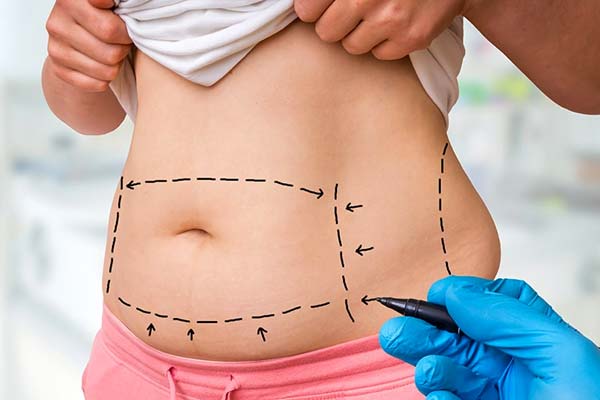
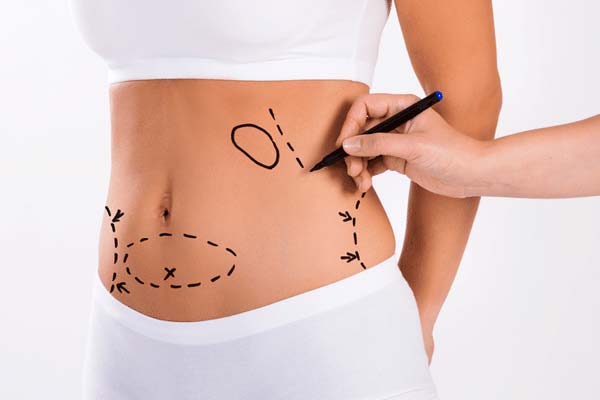
تعتبر نحت الجسم بالفيزر عملية غير جراحية تتم بواسطة جهاز يستخدم تقنية الفيزر الحرارية لتسخين الخلايا الدهنية وتدميرها بصورة دائمة. ويتم تطبيق هذه التقنية على مناطق محددة في الجسم مثل البطن والأرداف والفخذين والذراعين، وتختلف مدة العملية حسب حجم المنطقة المراد نحتها. وتتميز نحت الجسم بالفيزر بأنها عملية آمنة وغير مؤلمة، وتتطلب فترة تعافي قصيرة قبل استئناف الأنشطة اليومية بشكل طبيعي.
تتوافر عملية نحت الجسم بالفيزر في العديد من المراكز التجميلية والمستشفيات في العالم، وتختلف تكلفتها حسب المنطقة المراد نحتها وعدد الجلسات المطلوبة لتحقيق النتائج المرجوة. ومن المهم الحصول على استشارة طبية قبل إجراء العملية لتحديد ما إذا كانت هذه الطريقة مناسبة لحالة الشخص وتحديد النتائج المتوقعة.
فوائد نحت الجسم بالفيزر
توفر تقنية الفيزر لنحت الجسم وشفط الدهون العديد من الفوائد التجميلية للمرضى الذين يعانون من السمنة الموضعية والتي تؤثر على شكل الجسم وتقلل من ثقتهم بأنفسهم. وفيما يلي بعض الفوائد الرئيسية لنحت الجسم بالفيزر:
- التخلص من الدهون: تعمل تقنية الفيزر على شفط الدهون من مناطق محددة في الجسم مثل البطن والأرداف والفخذين والذراعين، مما يساعد على تحسين شكل الجسم وتناسقه.
- نحت القوام: تقنية الفيزر تساعد على نحت القوام وتحديده بشكل أفضل، حيث يمكن للجراح تصميم الجسم بشكل مخصص لكل مريض وفقًا لاحتياجاته ورغباته.
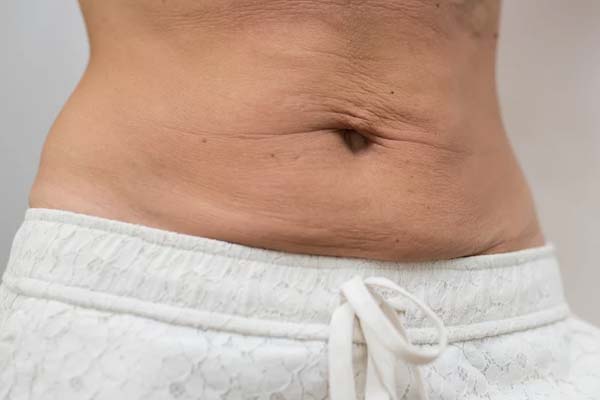
- شد الجلد: تقنية الفيزر تعمل على تحفيز إنتاج الكولاجين في الجلد، مما يساعد على شد الجلد وتحسين ملمسه ومظهره.
- النتيجة: يمكن للمرضى الحصول على نتائج ملحوظة ودائمة بعد إجراء عملية نحت الجسم بالفيزر، حيث يمكن للجسم أن يبدو أكثر تناسقًا وجمالًا.
تعتبر تقنية الفيزر طريقة آمنة وفعالة لنحت الجسم وتحسين مظهره، ويمكن للمرضى الاستفادة منها بشكل كبير. ومع ذلك، يجب على المرضى الاستشارة بشكل مسبق مع جراح التجميل والتأكد من أن هذه التقنية هي الخيار الأفضل لحالتهم الصحية والجسدية.
عملية نحت الجسم بالفيزر
التخدير
تتطلب عملية نحت الجسم بالفيزر الإسفنجي التخدير الموضعي أو العام، حيث يتم تحديد النوع المناسب من قبل الطبيب المعالج وذلك بناءً على حالة المريض وحجم المنطقة المراد علاجها. يتم تطبيق التخدير الموضعي عن طريق حقن الجلد بمخدر موضعي، في حين يتم تطبيق التخدير العام بواسطة الإبرة الوريدية.
الجسم المثالي
يعتبر الجسم المثالي هو الهدف الذي يسعى إليه الكثيرون، ويتباين تعريف الجسم المثالي من شخص لآخر، ولكن يمكن تحديده بالنسبة المثالية للوزن ونسبة الدهون في الجسم. يجب على الشخص المهتم بعملية نحت الجسم بالفيزر الحفاظ على وزنه الصحي والمثالي قبل وبعد العملية، وتحديد نسبة الدهون في الجسم لتحديد الأهداف المناسبة.
الفحوصات
تتطلب عملية نحت الجسم بالفيزر الإسفنجي إجراء بعض الفحوصات اللازمة قبل العملية، وذلك للتأكد من عدم وجود أي مشاكل صحية قد تؤثر على نتائج العملية أو تعرض حياة المريض للخطر. يتضمن ذلك فحص الدم والقلب والكبد والكلى، وتقييم النسبة المثالية للوزن ونسبة الدهون في الجسم.
يتم تنفيذ عملية نحت الجسم بالفيزر الإسفنجي بواسطة الأشعة فوق الصوتية، حيث يتم تفتيت الدهون وشفطها بواسطة جهاز الفيزر، وهو جهاز يعمل بتقنية الليزر والأشعة فوق الصوتية. تعد عملية نحت الجسم بالفيزر الإسفنجي إجراءً آمنًا وفعالًا لتحسين مظهر الجسم وتحقيق الشكل المثالي، ولكن يجب الحفاظ على الوزن المثالي والنسبة المناسبة من الدهون في الجسم بعد العملية من خلال اتباع نظام غذائي صحي وممارسة الرياضة بشكل منتظم.
الأماكن المناسبة لنحت الجسم بالفيزر
يعتبر نحت الجسم بالفيزر من العمليات الجراحية البسيطة التي تهدف إلى شد الجلد وتخفيض نسبة الدهون في مناطق محددة من الجسم. وتعد هذه التقنية مناسبة للأشخاص الذين يعانون من تراكم الدهون في بعض مناطق الجسم، ويرغبون في تقليل الدهون وشد الجلد للحصول على جسم متناسق ومشدود.
تعتبر البطن والأرداف والفخذين والصدر والذراعين والظهر من الأماكن المناسبة لنحت الجسم بالفيزر. حيث يمكن استخدام هذه التقنية لتخفيض نسبة الدهون في هذه المناطق وشد الجلد للحصول على نتائج مرضية.
يتم استخدام التقنية في البطن والأرداف والفخذين للتخلص من الدهون المتراكمة في هذه المناطق وشد الجلد للحصول على بطن مسطح وأرداف وفخذين مشدودين ومتناسقين.
أما في منطقة الصدر، فيمكن استخدام التقنية لتخفيض نسبة الدهون في هذه المنطقة وشد الجلد للحصول على صدر مشدود ومتناسق.
وفي منطقة الذراعين، يمكن استخدام التقنية لتخفيض نسبة الدهون في هذه المنطقة وشد الجلد للحصول على ذراعين مشدودين ومتناسقين.
أما في منطقة الظهر، فيمكن استخدام التقنية لتخفيض نسبة الدهون في هذه المنطقة وشد الجلد للحصول على ظهر مشدود ومتناسق.
يجب على الأشخاص الذين يرغبون في الاستفادة من هذه التقنية الاتصال بمركز تجميل متخصص والتحدث مع الطبيب المختص لتحديد المناطق المناسبة لنحت الجسم بالفيزر وتحديد عدد الجلسات اللازمة للحصول على النتائج المرضية.
الآثار الجانبية لنحت الجسم بالفيزر
تعتبر عملية نحت الجسم بالفيزر من العمليات التجميلية الشائعة، حيث تهدف إلى شفط الدهون وتنسيق الجسم بطريقة جمالية. ومع ذلك، فإن هذه العملية ليست خالية من المضاعفات والآثار الجانبية التي يجب على المريض الاطلاع عليها قبل القيام بها.
من بين المضاعفات الشائعة لعملية نحت الجسم بالفيزر هي النزيف والعدوى وجلطات الدم، ويمكن أن تتسبب هذه المضاعفات في تأخر الشفاء وزيادة مخاطر العملية. بالإضافة إلى ذلك، يمكن أن يؤدي الترهل إلى تشوهات في الجلد وعدم انتظام في الشكل النهائي للجسم.
يشعر بعض المرضى بألم في مكان عملية شفط الدهون، ويمكن أن يستمر هذا الألم لفترة طويلة بعد العملية. كما يمكن أن يحدث تورم في المنطقة المعالجة، ويمكن أن يستمر هذا التورم لعدة أسابيع بعد العملية.
وعلاوة على ذلك، يمكن أن تتسبب عملية نحت الجسم بالفيزر في تغيرات في لون الجلد، وخاصةً في المناطق التي تمت معالجتها، ويمكن أن يستمر هذا التغير لعدة أشهر بعد العملية.
بشكل عام، تعتبر عملية نحت الجسم بالفيزر عملية آمنة، وغالبًا ما تكون المضاعفات والآثار الجانبية طفيفة ومؤقتة. ومع ذلك، يجب على المرضى الاطلاع على جميع المخاطر المحتملة قبل إجراء العملية، والتحدث مع الطبيب المعالج لتقييم المخاطر والفوائد المحتملة.
الفروق بين نحت الجسم بالفيزر وشفط الدهون
تعتبر عملية نحت الجسم بالفيزر من الطرق الحديثة لتحسين شكل الجسم وتصغير محيطه، وتختلف هذه العملية عن شفط الدهون في العديد من الجوانب، حيث يتم استخدام الفيزر لنحت الجسم بدلاً من شفط الدهون بشكل كامل.
تعتمد عملية نحت الجسم بالفيزر على تقنية التركيز الموجه بالموجات فوق الصوتية، حيث يتم استخدام الموجات الفوق صوتية لتفتيت الخلايا الدهنية في منطقة محددة من الجسم، ويتم استخدام جهاز الفيزر للتحكم في العملية بشكل دقيق وآمن.
على الجانب الآخر، تعتمد عملية شفط الدهون على إزالة الدهون من منطقة معينة في الجسم بشكل كامل، ويتم استخدام الجراحة لإزالة الدهون من الجسم، ويمكن أن تترك آثار جانبية مؤلمة ومزعجة، كما أنها تتطلب فترة نقاهة طويلة.
وبشكل عام، يمكن القول أن نحت الجسم بالفيزر هو خيار أفضل لتحسين شكل الجسم وتصغير محيطه، حيث أنه يتمتع بالعديد من المزايا على شفط الدهون، ومن أهمها:
- عدم وجود جراحة أو تدخل جراحي في الجسم.
- عدم وجود آثار جانبية مزعجة أو مؤلمة.
- يمكن العودة إلى العمل بعد فترة قصيرة.
- يمكن تحديد منطقة محددة من الجسم والعمل عليها بشكل دقيق.
وبالتالي، تعتبر عملية نحت الجسم بالفيزر خيارًا آمنًا وفعالًا لتحسين شكل الجسم وتصغير محيطه، ويمكن استشارة الطبيب المختص للحصول على المزيد من المعلومات حول هذه العملية ومدى ملائمتها لحالة الشخص.
نصائح لتجربة نحت الجسم بالفيزر
تعتبر تقنية الفيزر واحدة من التقنيات الحديثة لشد الجسم ونحته، ولتحقيق أفضل النتائج من هذه التقنية، يجب اتباع بعض النصائح التي ستساعد على تحقيق الهدف المرجو. فيما يلي بعض النصائح التي يمكن اتباعها لتجربة نحت الجسم بالفيزر بنجاح:
1. الاستفسار عن المشد الطبي
من الضروري الاستفسار عن المشد الطبي الذي يستخدمه المركز الذي تريد الذهاب إليه، حيث يساعد المشد الطبي على تحقيق أفضل النتائج من تقنية الفيزر، ويمكن أن يساعد في تقليل الآثار الجانبية.
2. التواصل مع المركز عبر واتساب
يمكن التواصل مع المركز الذي تريد الذهاب إليه عبر تطبيق واتساب، حيث يمكن طرح الاستفسارات والحصول على إجابات سريعة من قبل المختصين.
3. تجربة نحت الجسم
من الضروري تجربة نحت الجسم بالفيزر لمرة واحدة على الأقل لتحقيق النتائج المرجوة، ومن ثم يمكن اتخاذ القرار بشأن مواصلة العلاج أو البحث عن تقنية أخرى.
4. الالتزام بالتعليمات الطبية
يجب الالتزام بالتعليمات الطبية التي يقدمها الطبيب المختص، والتي تشمل عدد الجلسات والفترة الزمنية بينها، وكذلك العناية بالجلد بعد الجلسات.
5. الاستمرار في التمارين الرياضية
يجب الاستمرار في التمارين الرياضية وتناول الأطعمة الصحية للحفاظ على النتائج التي تحققت من تقنية الفيزر، وتجنب العادات الغذائية السيئة التي تؤثر على النتائج.
باختصار، يمكن تحقيق أفضل النتائج من تقنية الفيزر باتباع النصائح السابقة، والالتزام بالتعليمات الطبية، والاستمرار في ممارسة التمارين الرياضية وتناول الأطعمة الصحية. يجب الاستفسار عن أي شيء غير واضح قبل الشروع في تجربة نحت الجسم بالفيزر، والتواصل مع المركز المختص للحصول على المعلو
نحت الجسم بالفيزر للنساء والرجال
نحت الجسم بالفيزر هي إحدى الطرق الفعالة التي يستخدمها الرجال والنساء للتخلص من الدهون الزائدة في الجسم والحصول على قوام متناسق وجذاب. يتم تنفيذ هذه العملية باستخدام جهاز فيزر الذي يعمل على تحليل خلايا الدهون وتفتيتها بشكل آمن وفعال.
تعتبر هذه العملية مناسبة للرجال والنساء الذين يعانون من تراكم الدهون في مناطق معينة من الجسم، مثل البطن، الفخذين، الأرداف، الذراعين، والرقبة. ويمكن استخدامها لتحسين مظهر الجسم بشكل عام والحصول على قوام مثالي.
تتميز عملية نحت الجسم بالفيزر بعدة مزايا، منها:
- فعالية عالية في إزالة الدهون الزائدة من الجسم.
- عملية غير جراحية وآمنة وتتطلب فترة نقاهة قصيرة.
- تحسين مظهر الجلد وتقليل مظهر الترهلات.
- تحسين الثقة بالنفس والراحة النفسية.
على الرغم من فعالية هذه العملية، إلا أنه يجب مراعاة بعض النقاط الهامة قبل إجرائها، مثل:
- التأكد من توافر الشروط الصحية للشخص المراد إجراء العملية.
- تحديد المناطق التي يجب إزالة الدهون منها وتحديد الكمية المطلوبة.
- الالتزام بتعليمات الطبيب المعالج بعد العملية لضمان التعافي السريع.
بشكل عام، تعتبر عملية نحت الجسم بالفيزر من الطرق الفعالة والآمنة للحصول على قوام متناسق وجذاب للرجال والنساء. ويمكن الاستفادة منها بشكل كبير لتحسين الثقة بالنفس والراحة النفسية.
الموجات فوق الصوتية في نحت الجسم بالفيزر
تستخدم تقنية الموجات فوق الصوتية في نحت الجسم بالفيزر لتحطيم الخلايا الدهنية وتفتيتها بشكل فعال ودقيق. تتميز هذه التقنية بأنها آمنة وغير مؤلمة ولا تتطلب فترة نقاهة طويلة بعد العملية.
تعمل الموجات فوق الصوتية بتسخين الخلايا الدهنية بشكل مركز وتحطيمها، مما يساعد على تخليص الجسم منها بشكل طبيعي. كما تساعد هذه التقنية على تحفيز إنتاج الكولاجين وتحسين مرونة الجلد.
يتم تطبيق الموجات فوق الصوتية بواسطة جهاز الفيزر، الذي يستخدم مجسات صغيرة لإرسال الموجات الصوتية إلى الخلايا الدهنية المستهدفة. يمكن تحديد منطقة الجسم التي يجب تطبيق الموجات عليها بدقة، مما يجعل العملية أكثر فعالية.
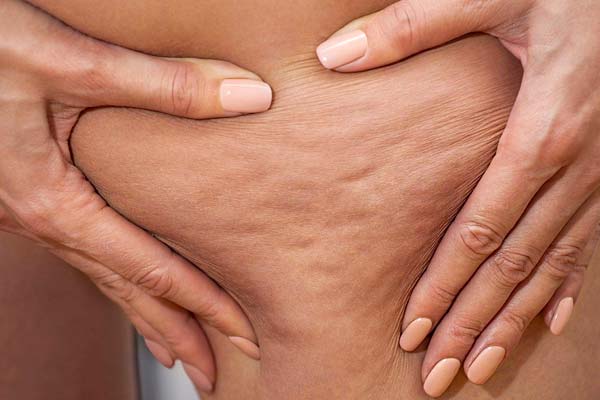
يمكن استخدام تقنية الموجات فوق الصوتية في نحت الجسم بالفيزر لإزالة الدهون من البطن والأرداف والفخذين والذراعين والظهر والفك المزدوج. ويمكن استخدامها أيضًا لتحسين مظهر الجلد وتقليل ظهور السيلوليت.
بشكل عام، تعتبر تقنية الموجات فوق الصوتية في نحت الجسم بالفيزر طريقة فعالة وآمنة للتخلص من الدهون غير المرغوب بها في الجسم. ومع ذلك، يجب استشارة الطبيب قبل إجراء أي عملية للتأكد من أنها مناسبة للحالة الصحية الفردية.