تجنب هذه الأطعمة للحد من السيلوليت: قائمة بأسوأ الأطعمة التي تؤثر على بشرتك
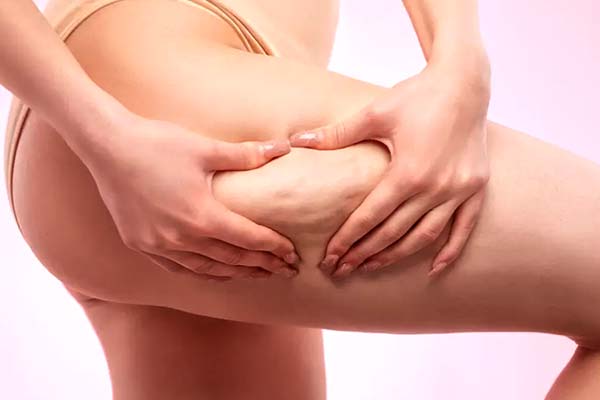
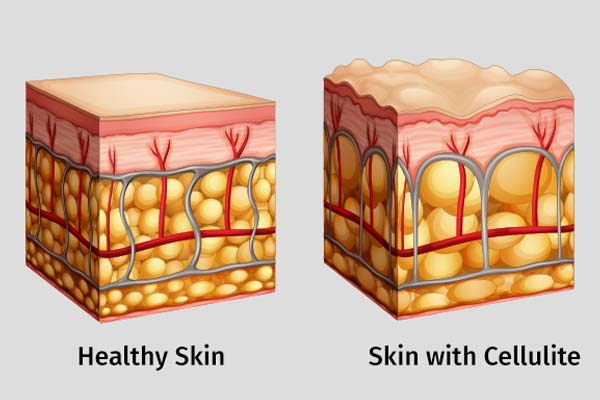
يعاني الكثير من النساء من مشكلة تشوهات الجلد المعروفة باسم “سيلوليت”، والتي تتسبب في ظهور تقوسات وتشوهات على الجلد. وعلى الرغم من أن هناك العديد من العوامل التي تؤثر على ظهور هذه التشوهات، فإن النظام الغذائي يلعب دورًا كبيرًا في ذلك. فبعض الأطعمة يمكن أن تزيد من ظهور التشوهات وتساهم في تفاقم المشكلة.
إذا كنتِ تعانين من مشكلة التشوهات الجلدية، فإن الحد من تناول بعض الأطعمة يمكن أن يساعد في تحسين الحالة. ومن بين الأطعمة التي ينصح بتجنبها هي الأطعمة المصنعة والمعلبة، والتي تحتوي على كميات كبيرة من الصوديوم والدهون المضافة. كما ينبغي تجنب تناول الأطعمة الغنية بالسكريات والنشويات، والتي تساهم في زيادة الوزن وتفاقم مشكلة التشوهات الجلدية.
اللحوم والأجبان المصنعة
تعتبر اللحوم والأجبان المصنعة من أسوأ الأطعمة التي تسبب التصاق السيلوليت بالجلد. فاللحوم المصنعة تحتوي على نسبة عالية من الصوديوم، والذي يزيد من احتباس السوائل في الجسم، مما يؤدي إلى ظهور السيلوليت. وتحتوي الأجبان المصنعة على نسبة عالية من الدهون المشبعة والكوليسترول، والتي تزيد من تراكم الدهون تحت الجلد، وبالتالي تساهم في ظهور السيلوليت.
يجب تجنب تناول اللحوم المصنعة مثل السجق والبيكون والهامبرغر المجمد، وتناول اللحوم الطازجة بدلاً منها. ويمكن استبدال الأجبان المصنعة بالأجبان الطبيعية الخالية من الدهون المشبعة، مثل الجبن الأبيض والجبن الخالي من الدسم.
وينبغي الانتباه إلى أن اللحوم المصنعة والأجبان المصنعة لا توفر البروتينات اللازمة للجسم، والتي تعتبر أساسية لبناء العضلات والحفاظ على الصحة العامة. وينصح بتناول اللحوم الطازجة والأجبان الطبيعية كمصادر للبروتينات.
كما ينبغي الحرص على تناول التغذية السليمة التي تحتوي على الأحماض الدهنية الأساسية، مثل أوميغا 3 وأوميغا 6، والتي يمكن الحصول عليها من مصادر طبيعية مثل الأسماك والمكسرات والبذور. وتحتوي اللحوم والأجبان المصنعة على نسبة عالية من الدهون المشبعة، والتي تعتبر ضارة للصحة، وبالتالي يجب تجنب تناولها بقدر الإمكان.
شوربات معلبة
تحتوي الشوربات المعلبة على كميات كبيرة من الملح والصوديوم، وهي مكونات تعمل على تراكم السوائل في الجسم وتسبب ظهور السيلوليت. وبالإضافة إلى ذلك، فإن الشوربات المعلبة قد تحتوي على مواد حافظة ومواد كيميائية أخرى تؤثر على صحة الجسم.
بالنسبة للماء، فإن تناول الشوربات المعلبة يمكن أن يؤدي إلى تراكم السوائل في الجسم، وبالتالي زيادة ظهور السيلوليت.
من الأفضل تجنب تناول الشوربات المعلبة والاستعاضة عنها بتناول الشوربات الطازجة والمصنوعة في المنزل، والتي يمكن تحضيرها بسهولة باستخدام الخضروات واللحوم والدجاج والأسماك.
كما ينصح بتناول الألياف الغذائية بكميات كافية، حيث تعمل على تحسين عملية الهضم وتخفيف حدة ظهور السيلوليت. يمكن الحصول على الألياف من تناول الخضروات والفواكه والحبوب الكاملة.
المشروبات الغازية والمحلاة
تعتبر المشروبات الغازية والمحلاة من أسوأ الأطعمة التي يمكن تناولها لمن يعانون من مشكلة تجمع السيلوليت. فالمشروبات الغازية تحتوي على الكثير من السكريات المكررة والمواد المحلاة الصناعية التي تزيد من تراكم الدهون في الجسم وتسبب تجمع السيلوليت.
وتحتوي المشروبات الغازية على نسبة عالية من الكافيين والصوديوم، الأمر الذي يؤدي إلى تجفيف الجسم وتراكم السوائل في الأنسجة الدهنية، مما يزيد من ظهور التجاعيد والترهلات وتجمع السيلوليت.
بالإضافة إلى ذلك، فإن المشروبات الكحولية تزيد من تراكم الدهون في الجسم، وتؤدي إلى تجفيف الجلد وترهله، مما يزيد من ظهور التجاعيد والخطوط الدقيقة وتجمع السيلوليت.
لذا، فإن تجنب تناول المشروبات الغازية والمحلاة والكحول يعتبر خطوة مهمة لمن يرغبون في تقليل تجمع السيلوليت في جسمهم. بدلاً من ذلك، يمكن تناول الماء والشاي الأخضر والعصائر الطبيعية والحليب الخالي من الدسم للحفاظ على ترطيب الجسم وتفادي تجمع السيلوليت.
| المشروبات | السعرات الحرارية |
|---|---|
| المياه الغازية | 140 سعر حراري لكل 12 أونصة |
| المشروبات الغازية المحلاة | 0 سعر حراري |
| الكحول | 150-200 سعر حراري لكل 12 أونصة |
تجنب تناول هذه المشروبات يمكن أن يقلل من تراكم السيلوليت في جسمك ويساعدك على الحفاظ على بشرة صحية وجسم مشدود.
صلصة شواء
تعد صلصة الشواء من الأطعمة التي ينبغي تجنبها لتقليل ظهور السيلوليت، فهي تحتوي على العديد من المكونات الضارة بالجسم. تحتوي صلصة الشواء على الدهون المشبعة والسكريات والملح والمواد الحافظة، مما يجعلها سيئة للصحة.
من المهم معرفة القيمة الغذائية لصلصة الشواء، حيث تحتوي ملعقة صغيرة من الصلصة على حوالي 20 سعرة حرارية و 85 ملغ من الصوديوم، مما يؤثر سلبًا على الجسم ويزيد من ظهور السيلوليت.
تحتوي صلصة الشواء أيضًا على السكريات، وهي تعتبر من أسوأ المكونات الغذائية التي يجب تجنبها لتقليل ظهور السيلوليت. يمكن استخدام العديد من البدائل الصحية لصلصة الشواء، مثل استخدام الزيوت الصحية والأعشاب الطازجة والتوابل المختلفة لإعطاء الطعام نكهة لذيذة وصحية.
يجب تجنب صلصة الشواء المصنوعة تجاريًا، حيث تحتوي على العديد من المواد الحافظة والمواد الكيميائية الضارة، ويمكن الاستغناء عنها بصلصة الطماطم الطبيعية والأعشاب الطازجة والتوابل المختلفة.
بالإضافة إلى ذلك، ينبغي تقليل استهلاك اللحوم المصنعة والمعالجة، حيث تحتوي على العديد من المواد الضارة التي تزيد من ظهور السيلوليت، ويمكن استخدام اللحوم الطازجة والصحية كبديل صحي ولذيذ.
جبن
يعتبر الجبن من الأطعمة التي يجب تجنبها عند محاولة الحد من ظهور السيلوليت، حيث يحتوي الجبن على نسبة عالية من الدهون المشبعة والكوليسترول، وهما من المسببات الرئيسية لظهور السيلوليت.
بالإضافة إلى ذلك، يحتوي الجبن على نسبة عالية من البروتينات والكالسيوم، وهما مكونان مهمان لصحة الجسم، ولكن عند تناولهما بكميات كبيرة يمكن أن يؤديان إلى زيادة في وزن الجسم وتراكم الدهون.
ينصح بتجنب تناول الجبن الدهني والمالح، وبدلاً من ذلك يمكن تناول الجبن الخفيف والمنخفض الدسم، ويمكن أيضاً استخدام الجبن الخفيف كبديل صحي للجبن العادي في الأطباق المختلفة.
عند اختيار الجبن المناسب، ينصح بالتحقق من تاريخ الصلاحية وتجنب الجبن الذي يحتوي على مواد حافظة ومواد كيميائية أخرى، حيث يمكن أن تؤدي هذه المواد إلى زيادة في تراكم السموم في الجسم وبالتالي زيادة في ظهور السيلوليت.
بيتزا
تعد البيتزا من الوجبات السريعة الشهية التي يحبها الكثيرون، ولكنها قد تسبب زيادة في الوزن وتفاقم مشكلة السيلوليت.
تحتوي البيتزا على نسبة عالية من الدهون والسعرات الحرارية، حيث يمكن أن تحتوي شريحة واحدة من البيتزا على ما يقارب 300-400 سعرة حرارية، وهذا يعتمد على نوع البيتزا وحجمها.
كما أن البيتزا تحتوي على نسبة عالية من الصوديوم، وهو مركب يمكن أن يزيد من تراكم السوائل في الجسم ويؤدي إلى ظهور السيلوليت.
وبالإضافة إلى ذلك، تحتوي البيتزا على نسبة عالية من الكربوهيدرات المكررة، وهذا يمكن أن يزيد من مستويات السكر في الدم ويؤدي إلى زيادة الوزن وتفاقم مشكلة السيلوليت.
لذلك، ينصح بتناول البيتزا بشكل معتدل والابتعاد عن الأنواع التي تحتوي على الكثير من الدهون والصوديوم، كما يمكن تناول البيتزا المصنوعة من العجين الكامل والتي تحتوي على نسبة أقل من الدهون والكربوهيدرات.
مارجرين و زبدة قابلة للدهن
تعتبر المارجرين والزبدة القابلة للدهن من أسوأ الأطعمة التي يجب تجنبها لمن يعانون من مشكلة السيلوليت. فهي تحتوي على نسب عالية من الدهون المشبعة والدهون المتحولة، وهي المواد التي تزيد من خطر الإصابة بأمراض القلب والأوعية الدموية وتسبب زيادة في الكوليسترول الضار في الجسم.
وتحتوي المارجرين والزبدة القابلة للدهن على نسب عالية من الدهون المشبعة التي تسبب ارتفاع مستويات الكوليسترول الضار في الجسم، وتزيد من خطر الإصابة بأمراض القلب والأوعية الدموية.
وتحتوي هذه الأطعمة أيضًا على نسب عالية من الدهون المتحولة، وهي المواد التي تزيد من خطر الإصابة بأمراض القلب والأوعية الدموية وتسبب زيادة في الكوليسترول الضار في الجسم.
لذلك، ينصح بتجنب تناول المارجرين والزبدة القابلة للدهن واستبدالها ببدائل صحية مثل زيت الزيتون أو زبدة الفول السوداني أو زبدة الأفوكادو. ويمكن استخدام هذه البدائل في الطهي أو كإضافة للأطعمة بدلاً من المارجرين والزبدة القابلة للدهن.
لا يوجد شيء أسوأ من تناول الأطعمة الضارة التي تسبب زيادة في الوزن وتساعد على ظهور السيلوليت. لذلك، يجب على الأشخاص الذين يعانون من مشكلة السيلوليت تجنب تناول المارجرين والزبدة القابلة للدهن والبحث عن بدائل صحية لها.
صلصة الصويا
صلصة الصويا هي إضافة شائعة للأطعمة الآسيوية والأمريكية. ومع ذلك، قد تكون صلصة الصويا أحد الأطعمة السيئة للسيلوليت.
يحتوي صلصة الصويا على نسبة عالية من الصوديوم، وهو معدن يمكن أن يزيد من احتباس السوائل في الجسم، مما يؤدي إلى زيادة السيلوليت. كما أن صلصة الصويا تحتوي على البروتينات، والتي يمكن أن تؤدي إلى تشكيل السيلوليت عند تناولها بكميات كبيرة.
ومع ذلك، لا يعني ذلك أن يجب تجنب صلصة الصويا تمامًا. يمكن تقليل كمية الصلصة المستخدمة عند الطهي، أو استخدام الصلصة الخالية من الصوديوم. كما يمكن استخدام بدائل أخرى لتعزيز النكهة، مثل الأعشاب والتوابل الطازجة.
بشكل عام، إذا كان هدفك هو تقليل السيلوليت، فمن المهم تجنب الأطعمة الغنية بالصوديوم والبروتينات، والتي تشمل بعض أنواع اللحوم المصنعة والأطعمة المعلبة. على الرغم من أن صلصة الصويا ليست الأسوأ بين هذه الأطعمة، إلا أنها لا تزال تحتوي على كمية عالية من الصوديوم والبروتينات، ويجب تناولها بحذر.
خبز ابيض
يعتبر الخبز الأبيض من المصادر الغنية بالكربوهيدرات، ويحتوي على سعرات حرارية عالية، مما يزيد من فرص ظهور السيلوليت. كما أن الخبز الأبيض يفتقر إلى الألياف، وهي المكون الذي يساعد على تحسين عملية الهضم والتخلص من السموم في الجسم.
ينصح بتناول الخبز الأسمر أو الخبز الكامل بدلاً من الخبز الأبيض، حيث يحتوي الخبز الأسمر على الألياف اللازمة لتحسين عملية الهضم والتخلص من السموم في الجسم، كما أنه يحتوي على سعرات حرارية أقل من الخبز الأبيض.
يمكن أيضًا اللجوء إلى الخبز الخالي من الجلوتين، حيث يحتوي على الألياف والعناصر الغذائية الأساسية، ويمكن العثور عليه في متاجر الأطعمة الصحية.
بالإضافة إلى ذلك، يمكن تجنب تناول الخبز بشكل عام واللجوء إلى الخضروات والفواكه الغنية بالألياف والفيتامينات والمعادن، حيث إنها تعد بديلًا صحيًا للخبز وتساعد في تحسين صحة الجسم بشكل عام.
| نوع الخبز | السعرات الحرارية لكل 100 غرام | الألياف لكل 100 غرام |
|---|---|---|
| الخبز الأبيض | 265 سعرة حرارية | 2 جرام |
| الخبز الأسمر | 247 سعرة حرارية | 6 جرام |
| الخبز الكامل | 247 سعرة حرارية | 6 جرام |
| الخبز الخالي من الجلوتين | 246 سعرة حرارية | 3 جرام |
بشكل عام، يجب تجنب تناول الخبز الأبيض واللجوء إلى الخبز الأسمر أو الخبز الكامل أو الخبز الخالي من الجلوتين، حيث يحتويون على الألياف اللازمة لتحسين عملية الهضم والتخلص من السموم في الجسم.
دوريتوس
تعد دوريتوس من الوجبات السريعة الغنية بالدهون والصوديوم، مما يجعلها من أسوأ الأطعمة التي يمكن تناولها لمن يعانون من السيلوليت. فالدهون الموجودة في دوريتوس تزيد من تراكم السيلوليت في الجسم، وتزيد من وزن الجسم بشكل عام.
بالإضافة إلى ذلك، فإن دوريتوس تحتوي على كميات عالية من الصوديوم، والتي تزيد من احتباس الماء في الجسم، مما يجعل السيلوليت يبدو أكثر وضوحاً. وبالتالي، فإن تناول دوريتوس يؤدي إلى زيادة السعرات الحرارية المستهلكة وزيادة الوزن، مما يجعل السيلوليت يزداد بشكل أسرع.
لذلك، يجب تجنب تناول دوريتوس والأطعمة الغنية بالدهون والصوديوم بشكل عام، والتي تزيد من تراكم السيلوليت في الجسم. بدلاً من ذلك، يمكن تناول الأطعمة الصحية الغنية بالألياف والبروتينات، والتي تساعد على تحسين صحة الجلد وتقليل ظهور السيلوليت.
كعك الوجبات الخفيفة والوجبات الخفيفة المصنعة الأخرى
تُعد كعك الوجبات الخفيفة والوجبات الخفيفة المصنعة الأخرى من أسوأ الأطعمة التي يجب تجنبها لمن يعانون من تشكل السيلوليت، حيث تحتوي على كميات كبيرة من السكريات والدهون المشبعة والمواد الحافظة والصوديوم.
يحتوي الكعك الوجبات الخفيفة على نسبة عالية من السكريات المضافة، والتي تزيد من مستويات الجلوكوز في الدم، مما يؤدي إلى زيادة إفراز الأنسولين وتخزين الدهون في الجسم. كما أن السكريات المضافة تساهم في تدمير الكولاجين في الجلد، مما يزيد من احتمالية تشكل السيلوليت.
وتحتوي الوجبات الخفيفة المصنعة الأخرى على نسب عالية من الدهون المشبعة والمواد الحافظة والصوديوم، والتي تساعد على تراكم السموم في الجسم وتزيد من تشكل السيلوليت.
بالإضافة إلى ذلك، فإن الوجبات الخفيفة المصنعة تحتوي على نسب عالية من الصوديوم، والتي تساعد على احتباس الماء في الجسم وتزيد من ظهور السيلوليت.
بالتالي، ينصح بتجنب تناول الكعك الوجبات الخفيفة والوجبات الخفيفة المصنعة الأخرى، والبحث عن بدائل صحية وخفيفة السعرات الحرارية، مثل الفواكه والخضروات والمكسرات والحبوب الكاملة.
خبز البيغل
يعتبر خبز البيغل من الأطعمة السيئة للسيلوليت، حيث يحتوي على نسبة عالية من الكربوهيدرات والسعرات الحرارية، وهذا يؤدي إلى زيادة الوزن وتراكم الدهون في الجسم، مما يؤدي في النهاية إلى ظهور السيلوليت.
بالإضافة إلى ذلك، يفتقر خبز البيغل إلى الألياف الغذائية التي تلعب دورًا هامًا في تحسين صحة الجلد والحفاظ على مرونته، وهو ما يؤدي إلى زيادة احتمال ظهور السيلوليت.
إذا كنت تعاني من مشكلة السيلوليت، يمكنك استبدال خبز البيغل بخيارات أخرى أفضل، مثل الخبز الأسمر أو الخبز الكامل الحبوب، والذي يحتوي على الألياف الغذائية الضرورية لصحة الجلد والحفاظ على مرونته، ويساعد في تقليل احتمال ظهور السيلوليت.
علاوة على ذلك، يمكن تناول الخضروات والفواكه الطازجة والمكسرات والبذور التي تحتوي على الألياف الغذائية والعناصر الغذائية الأخرى المفيدة لصحة الجلد والتي تساعد في الحد من ظهور السيلوليت.
| الغذاء | الكربوهيدرات (غرام) | السعرات الحرارية |
|---|---|---|
| خبز البيغل | 46 | 250 |
| الخبز الأسمر | 12 | 69 |
| الخبز الكامل الحبوب | 12 | 69 |
ملاحظة: يمكن أن تختلف القيم الغذائية المذكورة أعلاه حسب نوع الخبز والعلامة التجارية المستخدمة.