أطعمة لزيادة الوزن بشكل صحي: قائمة بالأطعمة الغنية بالسعرات الحرارية والمغذيات الضرورية
تعاني بعض الأشخاص من نقص الوزن، وقد يكون ذلك بسبب عوامل مختلفة مثل الوراثة، النظام الغذائي، أو الأمراض المزمنة. للحصول على وزن صحي، يجب الحصول على نظام غذائي متوازن يحتوي على جميع العناصر الغذائية اللازمة للجسم. ومن المهم أن يتم اختيار الأطعمة المناسبة التي تساعد على زيادة الوزن بشكل صحي.
تحتوي بعض الأطعمة على سعرات حرارية عالية وعناصر غذائية مفيدة للجسم، والتي يمكن تناولها لزيادة الوزن بشكل صحي. من بين هذه الأطعمة الحليب، اللحوم، الأسماك، المكسرات، الزبدة، العسل، الفواكه المجففة، والعصائر الطبيعية. ومن المهم تناول هذه الأطعمة بشكل منتظم ومتوازن لزيادة الوزن بشكل صحي وآمن.
على الرغم من أن زيادة الوزن يعتبر هدفًا لبعض الأشخاص، إلا أنه من المهم الانتباه إلى أن زيادة الوزن بشكل غير صحي يمكن أن يؤدي إلى مشاكل صحية مثل السمنة وارتفاع ضغط الدم والكوليسترول. لذلك، يجب الحصول على نظام غذائي صحي ومتوازن يتضمن جميع الفئات الغذائية بشكل مناسب لتحقيق الوزن المثالي بشكل صحي.
أساسيات زيادة الوزن
الحصول على السعرات الحرارية الكافية
لزيادة الوزن بشكل صحي، يجب على الشخص الحصول على السعرات الحرارية الكافية. يمكن تحديد السعرات الحرارية اللازمة لزيادة الوزن بإجراء حسابات بسيطة. يحتاج الشخص إلى تناول ما يتراوح بين 1,600 إلى 2,400 سعرة حرارية في اليوم للنساء البالغات، و2,000 إلى 3,000 سعرة حرارية في اليوم للرجال البالغين. ولكن يجب على الشخص الحرص على الحصول على السعرات الحرارية الكافية من مصادر صحية ومتنوعة.
تحديد الوزن المثالي
يجب على الشخص الحصول على الوزن المثالي لجسده قبل البدء في زيادة الوزن. يمكن للأطباء تحديد الوزن المثالي باستخدام مؤشر كتلة الجسم (BMI). ويعتبر الوزن المثالي هو الوزن الذي يمكن للشخص الحفاظ عليه بسهولة ويتمتع بصحة جيدة.
التمارين الرياضية
تعتبر التمارين الرياضية هي وسيلة فعالة لزيادة الوزن بشكل صحي. يجب على الشخص الحصول على التمارين الرياضية المناسبة له، والتي تساعده على بناء العضلات وزيادة الوزن. ومن الأمثلة على التمارين الرياضية الفعالة لزيادة الوزن: رفع الأثقال والتمارين الثقيلة، والتي يجب أن تتم بإشراف مدرب رياضي مؤهل.
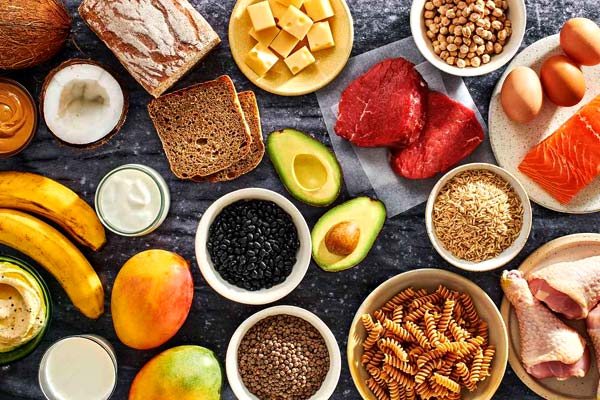
يجب على الشخص تناول الأطعمة الصحية والغنية بالسعرات الحرارية والبروتين والدهون الصحية، مثل اللحوم والدواجن والأسماك والمكسرات والحبوب الكاملة والفواكه والخضروات. ومن المهم الحرص على تناول الوجبات الصحية والمتوازنة بانتظام، وتجنب تناول الوجبات السريعة والمشروبات الغازية والحلويات الصناعية.
يجب على الشخص الحرص على الحصول على النوم الكافي والمنتظم، وتجنب التوتر والضغوط النفسية الزائدة، والتي تؤثر سلبًا على عملية زيادة الوزن. ويجب الحرص على الحصول على المساعدة الطبية اللازمة في حالة عدم تحقيق النتائج المرجوة.
الأطعمة الغنية بالبروتينات
تعتبر البروتينات من أهم المغذيات التي يحتاجها الجسم لبناء العضلات والأنسجة الحيوية، وتعد الأطعمة الغنية بالبروتينات من الخيارات الأفضل لمن يرغبون في زيادة وزنهم بشكل صحي. وفيما يلي بعض الأطعمة الغنية بالبروتينات التي يمكن تضمينها في النظام الغذائي اليومي:
اللحوم الحمراء
تعد اللحوم الحمراء من أفضل المصادر الغنية بالبروتينات، كما تحتوي على العديد من الفيتامينات والمعادن الأساسية للجسم. ويمكن تضمين اللحوم الحمراء مثل البقر والغنم والخنزير في النظام الغذائي بشكل معتدل ومتوازن.
الدجاج والديك الرومي
تعد الدجاج والديك الرومي من الأطعمة الغنية بالبروتينات والمعادن الأساسية، ويمكن تضمينها في النظام الغذائي بشكل متوازن. كما أنها تحتوي على الدهون الصحية التي تعزز صحة الجسم.
البيض
تعد البيض من الأطعمة الغنية بالبروتينات والفيتامينات الأساسية، ويمكن تضمينها في النظام الغذائي بشكل منتظم. وتعد البيض المسلوق والمقلي والبيض البلدي من الخيارات الصحية للحصول على البروتينات.
الأسماك الدهنية
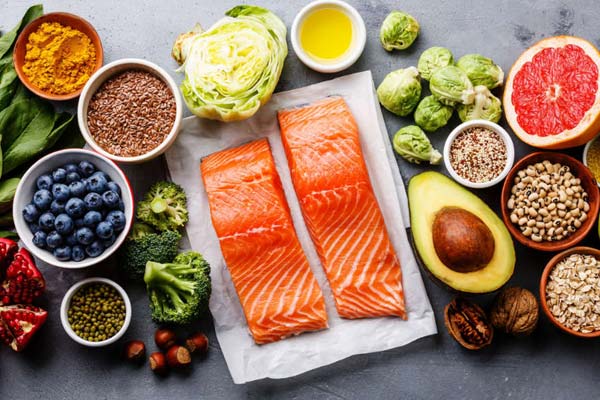
تعد الأسماك الدهنية مثل السلمون والتونة والسردين من الأطعمة الغنية بالبروتينات والأحماض الدهنية الأساسية، ويمكن تضمينها في النظام الغذائي بشكل منتظم. كما أنها تحتوي على الكثير من الفيتامينات والمعادن الأساسية للجسم.
ينصح بتناول الأطعمة الغنية بالبروتينات بشكل متوازن ومعتدل، وتجنب الإفراط في تناولها، حيث يمكن أن يؤدي ذلك إلى زيادة الوزن بشكل غير صحي.
الأطعمة الغنية بالدهون الصحية
تعتبر الدهون الصحية ضرورية لصحة الجسم وزيادة الوزن بشكل صحي. ومن بين الأطعمة الغنية بالدهون الصحية التي يمكن تناولها لزيادة الوزن بشكل صحي:
الأفوكادو
تحتوي الأفوكادو على العديد من العناصر الغذائية الهامة، بما في ذلك الدهون الصحية التي تساعد على زيادة الوزن بشكل صحي. كما تحتوي الأفوكادو على الألياف والفيتامينات والمعادن الأساسية. ويمكن تناول الأفوكادو على الإفطار أو كوجبة خفيفة.
المكسرات
تعد المكسرات مصدرًا غنيًا بالدهون الصحية والبروتينات والألياف والفيتامينات والمعادن. ومن بين المكسرات التي يمكن تناولها لزيادة الوزن بشكل صحي: اللوز والجوز والفستق والكاجو والمكسرات المشكلة.
الزيوت النباتية
تحتوي الزيوت النباتية على الدهون الصحية التي تساعد على زيادة الوزن بشكل صحي. ويمكن استخدام الزيوت النباتية في الطهي أو كإضافة إلى السلطات والخضروات. ومن بين الزيوت النباتية التي يمكن استخدامها: زيت الزيتون وزيت الكانولا وزيت دوار الشمس.
زبدة الفول السوداني
تحتوي زبدة الفول السوداني على الدهون الصحية والبروتينات والألياف والفيتامينات والمعادن. ويمكن استخدام زبدة الفول السوداني كعنصر إضافي للسلطات والخضروات أو تناولها مع الخبز.
يجب تناول هذه الأطعمة بانتظام وبكميات معتدلة، ومن المهم الحرص على تناول مجموعة متنوعة من الأطعمة الغنية بالعناصر الغذائية المختلفة لضمان تلبية احتياجات الجسم.
الأطعمة الغنية بالنشويات
النشويات هي مصدر رئيسي للطاقة والكربوهيدرات في النظام الغذائي، وهي مهمة جدًا لزيادة الوزن بشكل صحي. يجب على الأشخاص الذين يرغبون في زيادة وزنهم تناول كميات كافية من الأطعمة الغنية بالنشويات. وفيما يلي بعض الأطعمة الغنية بالنشويات:
الأرز
الأرز هو واحد من الأطعمة الغنية بالنشويات والذي يوفر للجسم الطاقة اللازمة للحركة والأنشطة اليومية. ويحتوي الأرز على نسبة عالية من الكربوهيدرات والألياف الغذائية التي تساعد على الهضم وتحسين صحة الأمعاء. وتعتبر الأرز من الأطعمة الرئيسية في العديد من الثقافات والمطابخ، ويمكن تناوله بعدة طرق مختلفة مثل الأرز المطهو بالماء أو الأرز المقلي.
البطاطس
البطاطس هي مصدر غني بالنشويات، وتعتبر وجبة رئيسية في العديد من الثقافات. وتحتوي البطاطس على الكثير من الفيتامينات والمعادن والألياف الغذائية، وهي مفيدة لصحة الجهاز الهضمي والحفاظ على الوزن. ويمكن تناول البطاطس بعدة طرق مختلفة مثل المشوية أو المطهوة.
الحبوب الكاملة
تعتبر الحبوب الكاملة مصدرًا غنيًا بالنشويات والألياف الغذائية والبروتينات، وهي مفيدة جدًا للحفاظ على الوزن وتحسين صحة الجهاز الهضمي. وتشمل الحبوب الكاملة الأرز البني والشوفان والحبوب المختلفة مثل الفاصوليا والعدس والحمص. يمكن تناول الحبوب الكاملة بعدة طرق مختلفة مثل السلطات والأطباق الرئيسية.
يرجى ملاحظة أن الأطعمة الغنية بالنشويات يجب تناولها بكميات معتدلة وبشكل متوازن مع باقي العناصر الغذائية الأخرى.
الأطعمة الغنية بالسعرات الحرارية
تعتبر السعرات الحرارية هي المصدر الرئيسي للطاقة التي يحتاجها الجسم للقيام بالأنشطة اليومية، وتعد الأطعمة الغنية بالسعرات الحرارية هي الخيار الأمثل للأشخاص الذين يرغبون في زيادة وزنهم بشكل صحي.
الحليب كامل الدسم
يعتبر الحليب كامل الدسم من أفضل الأطعمة الغنية بالسعرات الحرارية، حيث يحتوي كوب من الحليب الكامل الدسم على حوالي 150 سعرة حرارية، كما يحتوي على نسبة عالية من البروتين والكالسيوم اللازم لصحة العظام.
الزبادي
يحتوي الزبادي على نسبة عالية من البروتين والدهون الصحية، كما يحتوي على البكتيريا النافعة التي تساعد على تحسين صحة الجهاز الهضمي. كوب واحد من الزبادي يحتوي على حوالي 150 سعرة حرارية.
الشوكولاتة الداكنة
تعد الشوكولاتة الداكنة من أفضل الأطعمة الغنية بالسعرات الحرارية، حيث تحتوي على نسبة عالية من الدهون الصحية والمواد المضادة للأكسدة. يحتوي 100 غرام من الشوكولاتة الداكنة على حوالي 600 سعرة حرارية.
يمكن تناول هذه الأطعمة بشكل منتظم ومتوازن مع باقي الأطعمة المفيدة للجسم، ويجب الحرص على تناولها بكميات معتدلة لتجنب الإفراط في تناول السعرات الحرارية.
الأطعمة الغنية بالألياف
تُعتبر الألياف الغذائية من العناصر الغذائية الأساسية التي يجب على الجسم الحصول عليها، وتعد من العوامل الهامة التي تساعد على الحفاظ على صحة الجهاز الهضمي. فيما يلي بعض الأطعمة الغنية بالألياف التي يمكن للأشخاص الذين يرغبون في زيادة الوزن تناولها بشكل منتظم:
الفواكه المجففة
تعتبر الفواكه المجففة من الأطعمة الغنية بالألياف والتي يمكن تضمينها في نظام غذائي صحي لزيادة الوزن. فعلى سبيل المثال، يحتوي التمر على 7 جرامات من الألياف في كل 100 غرام، كما يحتوي التين المجفف على 9 جرامات من الألياف في كل 100 غرام.
البقوليات
تُعد البقوليات من الأطعمة الغنية بالألياف، والتي يمكن تضمينها في نظام غذائي صحي لزيادة الوزن. فعلى سبيل المثال، يحتوي العدس على 8 جرامات من الألياف في كل 100 غرام، كما يحتوي الحمص على 6 جرامات من الألياف في كل 100 غرام.
المانجو
تُعتبر المانجو من الفواكه الغنية بالألياف، والتي يمكن تضمينها في نظام غذائي صحي لزيادة الوزن. فعلى سبيل المثال، تحتوي المانجو على 1.6 جرامات من الألياف في كل 100 غرام.
على الرغم من أن الألياف الغذائية تعد مفيدة لصحة الجهاز الهضمي، إلا أن تناول كميات كبيرة منها يمكن أن يؤدي إلى بعض المشاكل الصحية، مثل الإمساك والانتفاخ. لذلك، يجب تناول الألياف بشكل متوازن وفي الكميات المناسبة.
الأطعمة الغنية بالكربوهيدرات
تعتبر الكربوهيدرات من المغذيات الأساسية التي يحتاجها الجسم للحصول على الطاقة اللازمة للقيام بالأنشطة اليومية. وتعد الأطعمة الغنية بالكربوهيدرات من بين الخيارات الأفضل لزيادة الوزن بشكل صحي. فيما يلي بعض الأطعمة الغنية بالكربوهيدرات:
التمر
يعتبر التمر من أفضل المصادر الطبيعية للكربوهيدرات. فهو يحتوي على نسبة عالية من السكريات الطبيعية، ويحتوي أيضًا على الألياف والفيتامينات والمعادن. ويمكن تناول التمر كوجبة خفيفة أو إضافته إلى الحلويات والوجبات الخفيفة.
الزبيب
يعتبر الزبيب من الفواكه الجافة المفيدة للجسم، ويحتوي على نسبة عالية من السكريات الطبيعية والألياف والفيتامينات والمعادن. ويمكن إضافة الزبيب إلى الحلويات والوجبات الخفيفة أو تناوله كوجبة خفيفة.
الحبوب الكاملة
تعد الحبوب الكاملة من أفضل المصادر الطبيعية للكربوهيدرات، وتحتوي على الألياف والفيتامينات والمعادن. ويمكن تناول الحبوب الكاملة على شكل الخبز الكامل والأرز البني والشوفان والحبوب الكاملة الأخرى.
يجب تناول الأطعمة الغنية بالكربوهيدرات بانتظام وبكميات معتدلة، وتجنب تناول الأطعمة الغنية بالسكريات المضافة والدهون المشبعة. ويجب الحرص على ممارسة الرياضة بانتظام للحفاظ على الصحة العامة.
الأطعمة الأخرى
هناك العديد من الأطعمة التي يمكن تضمينها في النظام الغذائي اليومي لزيادة الوزن بشكل صحي. ومن بين هذه الأطعمة:
الجبن
يعد الجبن من الأطعمة الغنية بالدهون الصحية والبروتين. ويمكن تناوله كوجبة خفيفة أو إضافته إلى السلطات والمعكرونة والبيتزا. إليك بعض الأنواع المفضلة لزيادة الوزن:
| نوع الجبن | السعرات الحرارية لكل 100 جرام |
|---|---|
| جبن البارميزان | 431 |
| جبن الشيدر | 403 |
| جبن الفيتا | 264 |
| جبن الموتزاريلا | 280 |
الشوكولاتة
تحتوي الشوكولاتة على الكثير من السعرات الحرارية والدهون الصحية، ولذلك يمكن تناولها كوجبة خفيفة بين الوجبات. وللحصول على فوائد صحية أكبر، يفضل تناول الشوكولاتة الداكنة التي تحتوي على نسبة أعلى من الكاكاو. إليك بعض الأنواع المفضلة لزيادة الوزن:
| نوع الشوكولاتة | السعرات الحرارية لكل 100 جرام |
|---|---|
| شوكولاتة الحليب | 535 |
| شوكولاتة داكنة | 600 |
| شوكولاتة بالفستق | 570 |
زبدة الفول السوداني
تحتوي زبدة الفول السوداني على الكثير من البروتين والدهون الصحية، ويمكن إضافتها إلى العديد من الأطعمة مثل الخبز والفواكه والتوست. ويمكن أيضًا تناولها كمشروب مع الحليب. إليك بعض الأنواع المفضلة لزيادة الوزن:
| نوع زبدة الفول السوداني | السعرات الحرارية لكل ملعقة كبيرة |
|---|---|
| زبدة الفول السوداني العادية | 95 |
| زبدة الفول السوداني الخالية من الدهون | 50 |
| زبدة الفول السوداني المملحة | 90 |
يجب تناول هذه الأطعمة بانتظام وبكميات معتدلة، ويجب الحرص على تضمينها في إطار نظام غذائي صحي ومتوازن.