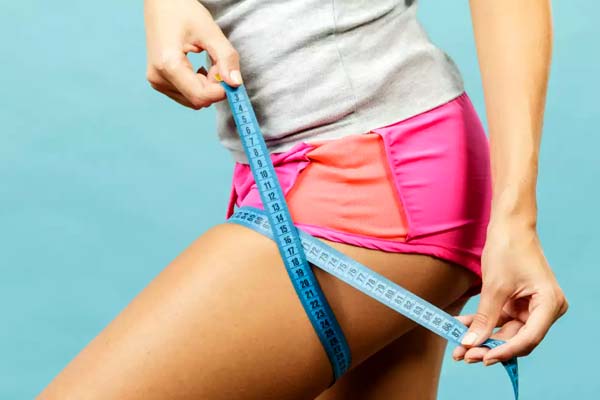
تجربتي الشخصية مع رجيم الماء: ماذا حدث عندما شربت 3 لتر يوميا؟
جميعنا يعلم أن شرب الماء وبكميات كبيرة ضرورة ملحة لحياة صحية فهي تعمل على الوقاية من خشونة المفاصل وتحمي الحبل الشوكي والأنسجة الحساسة وتساعد في الحفاظ على درجة حرارة الجسم وهذا ليس بالأمر الغريب أو المدهش فإن 60% من جسم الانسان مكون من الماء.
وقد اثبتت الدراسات والاحصاءات مؤخرا أن نسبة 43% من البالغين يشربون أقل من 4 أكواب يوميا وأن نسبة 36% يشربون من بين 1-3 أكواب يوميا وأن نسبة 7% لا يشربون الماء نهائيا.
السبب الذي يرجع وراء قراري باتباع رجيم الماء هو معاناتي من مشاكل تتعلق بالبشرة والتي كان فيها حب الشباب أحد العناوين الرئيسية لها ولقد نصحني الكثيرون من الأصدقاء والمقربين بأن شرب 3 لترات من الماء يوميا يساعد على التخلص من حب الشباب مع العلم أن بشرتي ليست من النوع الحساس ولكن ظروف الحياة في المدينة المليئة بالتلوث والاجهاد والتوتر ونمط وايقاع الحياة السريع هي الأسباب الرئيسية لتلك المشكلة. واليكم تجربتي مع شرب 3 لتر ماء يوميا للتنحيف:
ماذا فعلت في رجيم الماء؟
في كل صباح كنت أشرب ربع لتر من الماء قبل ساعة من موعد مغادرتي المنزل في حال احتجت الذهاب الى الحمام وعندما أصل الى العمل أقوم بافراغ نصف لتر من الماء في الزمزمية وأشرب من خلال الشفاطة التي تساعدك على شرب كميات كبيرة من الماء دون التفكير للحظة، وأكرر هذا الأمر 6 مرات يوميا حتى انتهى من شرب 3 لتر من الماء.
لقد بذلت مجهودا كبيرا في الأيام الأولى للحفاظ على النظام ولكن بعد اليوم الرابع بدأت أدون كم لترا شربت وكم تبقى وانتهى الأمر بدخولي الحمام 7 مرات خلال وقت العمل وقبل مغادرتي للمكتب بساعة أقوم بشرب ربع لتر من الماء تماما كما فعلت في الصباح.

ما هو شعوري حيال رجيم الماء؟
لم أشعر في تجربتي مع شرب الماء للتنحيف بأي تغيير حتى هذه اللحظة ولكني أحسست بزيادة بسيطة في معدل نشاطي اليومي وبدت بشرتي الجافة أكثر نعومة ومرونة وبشكل طبيعي واستطعت كبح عادتي اليومية في تناول الوجبات الخفيفة ما بين الوجبات الرئيسية التي مازالت أتناولها يوميا.
كما لاحظت أن مسام وجهي بدأت في الانكماش وهذا لم يكن بناءا على تقييم من قبل طبيب أمراض جلدية ولهذا السبب أنا لست متأكدة تماما إن ما كان ذلك بسبب شرب كميات كبيرة من الماء أو من قبيل الصدفة.
ما لم يعجبني في رجيم الماء؟
الاجابة على ما أظن واضحة فإن ذهابي للحمام لمرات عديدة بدى لي أمرا مزعجا وأعتبر محظوظة بسبب سهولة وصولي للحمام أثناء فترة العمل ولكنني لا أرشح مثل هذا الرجيم لأشخاص يسافرون كثيرا أو مكاتب عملهم تبعد كثيرا عن الحمامات.
في الواقع كان من الصعب علي الاستمرار في شرب كميات كبيرة من الماء بشكل يومي والتي تتطلبت مني بذل الكثير من المجهود للتأكد من انني شربت الثلاث لترات لدرجة أنني حتى قبل ذهابي الى النوم احتاج شرب الماء لاكمال تلك المهمة بالاضافة لاضطراري للاستيقاظ ليلا للذهاب الى الحمام.
إن كان يساورك الفضول في تجربة رجيم الماء فأني اقترح عليك تجربته للاستفادة من التأثير الايجابي للماء على الجسم ولكن كوني حذرة من تناول كميات زائدة من الماء فقد تتسبب في تعرضك للتورم أو الوذمة الدماغية لذلك عليك مراجعة طبيبك الخاص لتحديد كمية الماء المناسبة لجسمك.
هل رجيم الماء هو الخيار الأمثل لتخفيف الوزن؟
عندما يكون الماء هو المكون الرئيسي للنظام الغذائي يبدأ الجسم في فقدان العناصر الغذائية الهامة التي يحتاجها والنتيجة على المدى القصير هي فقدان الكثير من الوزن والكثير من العضلات وانخفاض معدل التمثيل الغذائي على عكس الأشخاص الذين يفقدون الوزن نتيجة لتقليل السعرات الحرارية بمقدار 500-800 سعر حراري من النظام الغذائي العادي.
واذا لم تشربي القدر الكافي من الماء فقد تتعرضي للعديد من الآثار الجانبية مثل الجفاف، والدوخة، والإغماء، والإمساك، والصداع، وهذا غيض من فيض.
اذا كنت تريدين تخفيف الوزن فإن رجيم الماء ليس الخيار الأفضل وابدئي في التخلص من السعرات الحرارية الغير مفيدة مثل السكر والدهون الثلاثية وممارسة التمارين الرياضية.
فوائد رجيم الماء
تخسيس
يعتبر رجيم الماء واحدًا من الأساليب الفعالة في التخسيس، حيث يساعد على تنظيم عملية الأيض وحرق السعرات الحرارية. ومن المهم الإشارة إلى أن رجيم الماء لا يساعد على فقدان الوزن بشكل سريع، ولكنه يعتبر طريقة صحية وآمنة للتخلص من الوزن الزائد.
الشعور بالشبع
يعتبر رجيم الماء من الأساليب الفعالة في الحفاظ على الشعور بالشبع، حيث يملأ المعدة ويقلل من الرغبة في تناول الطعام. ومن المهم الإشارة إلى أن الشرب الكافي من الماء يساعد على تحسين عملية الهضم وامتصاص العناصر الغذائية بشكل أفضل.
حرق الدهون
يعتبر رجيم الماء من الأساليب الفعالة في حرق الدهون، حيث يساعد على تحفيز عملية الأيض وحرق السعرات الحرارية. ومن المهم الإشارة إلى أن الشرب الكافي من الماء يساعد على تحسين عملية الأيض وتسريع حرق الدهون.
التخلص من السموم
يعتبر رجيم الماء من الأساليب الفعالة في التخلص من السموم، حيث يساعد على تنظيف الجسم وإزالة السموم والفضلات. ومن المهم الإشارة إلى أن الشرب الكافي من الماء يساعد على تحسين عملية إخراج الفضلات وتنظيف الجسم.
النشاط
يعتبر رجيم الماء من الأساليب الفعالة في زيادة النشاط والحيوية، حيث يساعد على تحسين عملية الأيض وتحسين وظائف الجسم. ومن المهم الإشارة إلى أن الشرب الكافي من الماء يساعد على تحسين مستويات الطاقة والحفاظ على النشاط طوال اليوم.
يعتبر الكبد أحد الأعضاء الهامة في تنظيم عملية الأيض وتحويل الطعام إلى طاقة، ويمكن لرجيم الماء أن يساعد على تحسين وظائف الكبد. كما يمكن لرجيم الماء أن يساعد في تحسين مستويات السكر في الدم وتقليل خطر الإصابة بأمراض السكري.
يحتوي الماء على العديد من الفيتامينات والعناصر الغذائية الهامة، ويمكن لرجيم الماء أن يساعد في تحسين الصحة العامة.

جدول رجيم الماء
يتبع رجيم الماء السريع الذي يتميز بعدم الأكل والشرب إلا الماء، ويتم اتباعه لمدة محددة. ويُعتبر رجيم الماء السريع مؤقتًا ولا يجب الاستمرار فيه لفترات طويلة.
ويمكن تنظيم جدول رجيم الماء على النحو التالي:
- اليوم الأول: يجب شرب 8 أكواب ماء مثلج مع تفاحة أو تفاحتين.
- اليوم الثاني: يجب شرب 10 أكواب ماء مثلج مع خس وخيار.
- اليوم الثالث: يجب شرب 10 أكواب ماء مثلج مع حبوب الحمص والفاصوليا.
- اليوم الرابع: يجب شرب 6 أكواب ماء مثلج مع السبانخ والجزر.
- اليوم الخامس: يجب شرب 8 أكواب ماء مثلج مع الأرز المسلوق والخضار.
ويجب أن يستمر الشخص في شرب الماء على مدار اليوم، ويمكنه تناول مكملات غذائية للحصول على العناصر الغذائية اللازمة.
ومن المهم الحرص على تناول الأطعمة الصحية بعد الانتهاء من رجيم الماء السريع، وتجنب تناول الأطعمة الدسمة والمقلية لتفادي ارتفاع نسبة الدهون في الجسم.
الأعراض الجانبية
تجربة رجيم الماء قد تسبب بعض الآثار الجانبية على الصحة، وقد يؤدي إلى حدوث بعض المشاكل الصحية. ومن بين الآثار الجانبية الشائعة لرجيم الماء:
- الإمساك: يمكن أن يحدث الإمساك نتيجة لنقص الألياف والمواد الغذائية الأخرى التي توفرها الأطعمة الصلبة. ويمكن تخفيف هذه الحالة عن طريق تناول الأطعمة الغنية بالألياف مثل الخضروات والفواكه.
- العصبية: يمكن أن يؤدي رجيم الماء إلى الشعور بالعصبية والتوتر، وذلك نتيجة لعدم تناول الكميات الكافية من العناصر الغذائية التي تساعد على تحسين المزاج.
- فقر الدم: قد يحدث نقص في عدد كريات الدم الحمراء في الجسم نتيجة لعدم تناول الأطعمة الغنية بالحديد، وهو ما يؤدي إلى حدوث فقر الدم.
- الصداع: يمكن أن يحدث الصداع نتيجة لنقص السكر في الدم وعدم تناول الكميات الكافية من السوائل.
- الإعياء والغثيان: يمكن أن يحدث الإعياء والغثيان نتيجة لنقص السوائل والأملاح في الجسم.
وبشكل عام، ينصح بتجنب رجيم الماء بدون إشراف طبي أو توجيهات من مختص في التغذية، حيث أنه يمكن أن يؤدي إلى حدوث مشاكل صحية خطيرة.

التمارين الرياضية
يعتبر شرب الماء أثناء ممارسة التمارين الرياضية من الأمور الأساسية التي يجب على الشخص القيام بها. فالماء يلعب دورًا هامًا في توفير الطاقة والحفاظ على توازن السوائل في الجسم، ويساعد على تحسين الأداء الرياضي.
ينصح بشرب الماء قبل وأثناء التمارين الرياضية بشكل متكرر. ويمكن أيضًا شرب كميات كافية من الماء بعد الانتهاء من التمارين الرياضية لتعويض السوائل التي فقدها الجسم خلال التمارين.
وينبغي تجنب شرب المشروبات الغازية أو العصائر الصناعية أثناء التمارين الرياضية، حيث إنها تحتوي على سكريات ومواد حافظة قد تؤثر على صحة الجسم وتقلل من فاعلية التمارين الرياضية.
وتعتبر المشروبات الرياضية أحد الخيارات البديلة الممكنة لشرب الماء خلال التمارين الرياضية، حيث إنها تحتوي على السكريات والمعادن الضرورية للجسم والتي تساعد على تحسين الأداء الرياضي.
ويجب أن يتم شرب الماء بشكل منتظم خلال اليوم، بمعدل 8 أكواب يوميًا على الأقل، وذلك للحفاظ على توازن السوائل في الجسم وتحسين الصحة العامة.
الأنظمة الغذائية
تعتبر الأنظمة الغذائية أحد الطرق الشائعة لإنقاص الوزن وتحسين الصحة العامة. ومن بين هذه الأنظمة الغذائية، رجيم البيض،كيتو دايت، ريجيم العسكري، الرجيم الكوري، كما يوجد نظام غذائي لتخسيس البطن، رجيم رمضان، ويأتي رجيم الماء الذي يعتمد على تناول كميات كبيرة من الماء والتقليل من تناول الطعام.
يعتبر الطعام جزءًا أساسيًا من حياة الإنسان، حيث يوفر الطاقة اللازمة للجسم للقيام بالأنشطة اليومية. ومع ذلك، قد يؤدي تناول الطعام بكميات كبيرة إلى زيادة الوزن وتسبب بعض المشاكل الصحية، مثل مشاكل الهضم وارتفاع ضغط الدم.
تعتمد الأنظمة الغذائية على تقليل كمية الطعام المتناول وزيادة كمية الماء المتناولة، حيث يعتبر الماء مفيدًا للجسم ويساعد على تحسين صحة الجهاز الهضمي وتلافي الأخطاء التي يمكن ارتكابها عند اتباع نظام غذائي، والقيام ببعض التعديلات التي تساعد على فقدان الوزن.
ومن بين الأنظمة الغذائية التي تعتمد على تناول الماء، يأتي رجيم الماء الذي يعتمد على تناول كميات كبيرة من الماء وتقليل كمية الطعام المتناولة. ويعتقد البعض أن هذا النظام الغذائي يساعد على إنقاص الوزن بسرعة، ولكنه يمكن أن يسبب بعض المشاكل الصحية، مثل فقر الدم ونقص العناصر الغذائية الأساسية.
ومن المهم الحرص على تناول الطعام الصحي والمتوازن والمتنوع، بالإضافة إلى شرب كميات كافية من الماء لتحسين الصحة العامة.
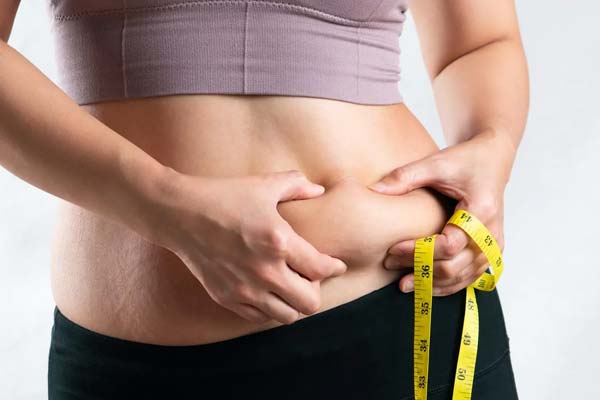
أسئلة قد تتبادر بذهنك مرتبطة بتخفيف الوزن وشرب الماء
هل شرب الماء بكثره ينزل الوزن؟
هناك اعتقاد لدى الكثيرون على مدار فترة طويلة من الزمن أن شرب الماء يساعد على تخفيف الوزن ولقد أجريت العديد من الدراسات في الولايات المتحدة الأمريكية لأشخاص يريدون تخفيف وزنهم عن طريق شرب كميات ماء أكثر وقد أوضحت هذه الدراسات أن شرب كميات أكثر من الماء ساهمت في تخفيف الوزن.
شرب الماء يساعد على حرق المزيد من السعرات الحرارية
لقد أثبتت الدراسات أن شرب الماء يساعد على تصريف السعرات الحرارية من الجسم بنسبة ما بين 24-30% خلال 10 دقائق من شرب الماء وجاءت دراسة أخرى لتأكد على ذلك لطفل يعاني من زيادة الوزن بشرب الماء البارد والتي ساعدت على تصريف السعرات الحرارية بمقدار 25%.
كما أجريت دراسة على مجموعة من النساء يعانين من الوزن الزائد بزيادة شربهن نسبة شربهم للماء يوميا بمقدار 1 لتر لفترة 12 شهر وكانت النتيجة هي انخفاض وزنهم بمقدار 2 كيلوجرام دون أي تغيير في نمط حياتهم.
فوائد شرب الماء قبل النوم للتخسيس
قد يكون شرب الماء مفيدًا لفقدان الوزن ولكن شربه قبل النوم قد يعوق جهودك ويرجع السبب في ذلك أنك لن تنعمي بنوم هادئ وعميق لاستيقاظك ليلا لدخول الحمام وقد حذرت جامعة واشنطن من أن عدم الحصول على قسط كافٍ من النوم ليلاً قد يزيد من شهيتك ورغبتك في تناول الأطعمة الغنية بالدهون والسكر ويزيد من مستويات التوتر وقد يؤثر ذلك على صحتك.
افضل وقت لشرب الماء للتخسيس
أوضحت جامعة واشنطن أن شرب كوب من الماء قبل تناول وجبة طعام يشعرك بالامتلاء ويقلل من كمية الطعام المتناولة وهذا يساعد على تقليل السعرات الحرارية بشكل عام وتخفيف الوزن.
كما يساعد شرب الماء على تقليل الشهية والتحكم فيها ولا يعرض الجسم للجفاف … احرصي على اصحاب زجاجة ماء معك أينما كنت للشرب الماء بانتظام طوال اليوم.
كمية الماء التي يحتاجها الجسم يوميا للتخسيس
في البداية عليك بشرب كوبين من الماء قبل كل وجبة ولكن الأمر مرتبط بشكل أكثر بالعمر والجسم فعلى سبيل المثال يحتاج الجسم الى 4 أكواب من الماء لكل 22.5 كيلوجرام من وزن الجسم.
لنضرب مثالا على ذلك لو كان وزن الجسم 90 كيلوجرام فأنت في حاجة الى 16 كوب ماء يوميا أي ما يعادل 4 لتر ماء وهذا بشكل عام ولكن الأفضل أن تستشيري طبيبك لتحديد كمية الماء التي يحتاجها جسمك يوميا حتى تستطيعي فقدان الوزن.
واظبي على شرب الماء فهي تساعد في الحفاظ على ترطيب الجسم وتقوية العضلات وتوصيل المواد الغذائية للجسم.
شرب الماء الساخن للكرش
يوصي الأطباء بشرب كوب من الماء الدافئ مع الليمون الغني بالبوليفينول في الصباح لتقليل نشاط الشوارد الحرة وتنشيط الأمعاء والمساعدة في عملية الهضم ومنع الشيخوخة المبكرة.
6 فوائد لشرب الماء الدافي في الصباح
- تطهير الجهاز الهضمي
- علاج للامساك
- تخفيف الآلام
- التخلص من الوزن الزائد
- تحسين الدورة الدموية في الجسم
- وقف الشيخوخة المبكرة